• Who am I..

    Mr. Al-Hassan Hafiz Bakarr-Kanu Sr. (often known as Mr. Hafiz) is a Sierra Leonean-American entrepreneur and tech executive and CEO/Founder of Frica LLC/Frica Limited and is based in Boston, Massachusetts. Over nearly three decades, his work has bridged the gap between African media, entertainment, and digital technology starting in Sierra Leone.

    His entrepreneurial journey reflects a focus on empowering the African diaspora and building tools for the continent's digital economy:

    Early Life and Background

    • Migration: Born and raised in Sierra Leone, he attended the Sierra Leone Boxing School before migrating to the United States at age 9 in 1986.
    • Roots: He heavily bases his operations out of the Boston area, where he resides with his family, while managing regional operations across both West and East Africa with business being registered in Kenya, Liberia, Nigeria, Sierra Leone and USA.

    The Evolution of Techfrica & Frica

    • Entertainment Beginnings (1998): At just 21 years old, he launched Mama Africa Productions to organize nightlife events and community spaces for the African diaspora. This eventually led to the creation of Club Afrik.
    • Media & Radio (2005): He recognized a lack of African representation in mainstream media and founded African Radio, establishing one of the first African-focused programs broadcast on FM radio in the US, later pivoting online and created AFRICAN RADIO-THE BIG VOICE OF AFRICA & AFRICAN MEDIA the first African Online Radio station at www.africanradioonline.com in 2005/2006.
    • Transition to Techfrica / Frica Limited: Gathering his media projects under the tech umbrella Techfrica LLC (now rebranded as Frica Limited), Bakarr-Kanu shifted his focus toward building applications explicitly tailored for African creators and businesses.

    Key Tech and Product Launches

    Bakarr-Kanu and his team have developed dozens of apps and web platforms designed to bypass traditional Western-centric constraints on African monetization and data. Notable platforms include:
    • Audiofrica: A music streaming application that allows African musicians and content creators to upload their music directly and generate revenue.
    • Supfrica: A messaging application customized to provide efficient connectivity across African regions.
    • Marketfrica+: A localized and global marketplace app launched for countries like Sierra Leone and Liberia to help regional vendors buy, sell, and list items for free.
    • Frica ID: A newer verification infrastructure project targeted at businesses, schools, organizations, and government bodies.
    .Educatefrica College where students can learn every day skills as well as earn traditional education and diplomas in many areas. His college focuses on Taking Education Global as well as making sure the students have a space to Learn, Intern and Earn.
    .His company focuses on Technology, Education, Entertainment, Business/Marketing, Agriculture, Fintech, Transportation, Healthcare, Manufacturing, Logistics, Energy, Robotics and more

    Philanthropy and Vision

    Bakarr-Kanu established a corporate office in Sierra Leone in 2018 until date and has hired over 100's of youths and has partnered with businesses, schools and people to lead to work towards success for everyone involved.

    He is driven by Pan-African technological sovereignty. In 2020/2021 he gave his face, voice and ideology to over 50 media houses like radio, TV, magazine, bloggers and more when his messaging App Supfrica went viral and he was being interviewed.

    He is self funded and with some help from family members and is always ready and willing to work with those that share similar interests to invest financially to help the company grow. He is being compared to Dangote Industries Mr Dan Gote but more in the business Tech Space.

    He frequently speaks about narrowing the global digital divide, ensuring that infrastructure and AI regulatory frameworks support African-driven tech solutions rather than leaving the continent reliant on external software.
    Who am I.. Mr. Al-Hassan Hafiz Bakarr-Kanu Sr. (often known as Mr. Hafiz) is a Sierra Leonean-American entrepreneur and tech executive and CEO/Founder of Frica LLC/Frica Limited and is based in Boston, Massachusetts. Over nearly three decades, his work has bridged the gap between African media, entertainment, and digital technology starting in Sierra Leone. His entrepreneurial journey reflects a focus on empowering the African diaspora and building tools for the continent's digital economy: Early Life and Background • Migration: Born and raised in Sierra Leone, he attended the Sierra Leone Boxing School before migrating to the United States at age 9 in 1986. • Roots: He heavily bases his operations out of the Boston area, where he resides with his family, while managing regional operations across both West and East Africa with business being registered in Kenya, Liberia, Nigeria, Sierra Leone and USA. The Evolution of Techfrica & Frica • Entertainment Beginnings (1998): At just 21 years old, he launched Mama Africa Productions to organize nightlife events and community spaces for the African diaspora. This eventually led to the creation of Club Afrik. • Media & Radio (2005): He recognized a lack of African representation in mainstream media and founded African Radio, establishing one of the first African-focused programs broadcast on FM radio in the US, later pivoting online and created AFRICAN RADIO-THE BIG VOICE OF AFRICA & AFRICAN MEDIA the first African Online Radio station at www.africanradioonline.com in 2005/2006. • Transition to Techfrica / Frica Limited: Gathering his media projects under the tech umbrella Techfrica LLC (now rebranded as Frica Limited), Bakarr-Kanu shifted his focus toward building applications explicitly tailored for African creators and businesses. Key Tech and Product Launches Bakarr-Kanu and his team have developed dozens of apps and web platforms designed to bypass traditional Western-centric constraints on African monetization and data. Notable platforms include: • Audiofrica: A music streaming application that allows African musicians and content creators to upload their music directly and generate revenue. • Supfrica: A messaging application customized to provide efficient connectivity across African regions. • Marketfrica+: A localized and global marketplace app launched for countries like Sierra Leone and Liberia to help regional vendors buy, sell, and list items for free. • Frica ID: A newer verification infrastructure project targeted at businesses, schools, organizations, and government bodies. .Educatefrica College where students can learn every day skills as well as earn traditional education and diplomas in many areas. His college focuses on Taking Education Global as well as making sure the students have a space to Learn, Intern and Earn. .His company focuses on Technology, Education, Entertainment, Business/Marketing, Agriculture, Fintech, Transportation, Healthcare, Manufacturing, Logistics, Energy, Robotics and more Philanthropy and Vision Bakarr-Kanu established a corporate office in Sierra Leone in 2018 until date and has hired over 100's of youths and has partnered with businesses, schools and people to lead to work towards success for everyone involved. He is driven by Pan-African technological sovereignty. In 2020/2021 he gave his face, voice and ideology to over 50 media houses like radio, TV, magazine, bloggers and more when his messaging App Supfrica went viral and he was being interviewed. He is self funded and with some help from family members and is always ready and willing to work with those that share similar interests to invest financially to help the company grow. He is being compared to Dangote Industries Mr Dan Gote but more in the business Tech Space. He frequently speaks about narrowing the global digital divide, ensuring that infrastructure and AI regulatory frameworks support African-driven tech solutions rather than leaving the continent reliant on external software.
    0 Comments ·0 Shares ·15 Views ·0 Reviews
  • Mali's National Transitional Council voted unanimously on Tuesday to adopt a revised law on official languages. 122 votes in favour. Zero against.

    The law implements Article 31 of Mali's 2023 Constitution, which states that "the national languages are the official languages of Mali" and that French is the working language . The revision was required after the Constitutional Court ruled in August 2025 that the original text needed clearer wording to prevent linguistic discrimination and exclusion .

    The 13 languages now enshrined in the organic law are: Bamanankan (Bambara), Bomu, Bozo, Dogon, Fulfulde (Peul), Hasanya, Mamara, Maninkakan (Malinké), Soninke, Songhoï, Syenara (Sénoufo), Tamasheq, and Khassonké .

    French will remain the language of administration. It will not be the language of the state.

    This is not a symbolic gesture. It is a legal reordering of which languages the Malian state recognises as its own. For sixty-three years, the constitution of a country where the vast majority of people speak Bambara, Fulfulde, or Songhay declared French the official language of the Republic. That era is over.

    The revision also responds to a real problem: linguistic exclusion. Malians who do not speak French have faced barriers in courts, schools, and public administration. The new law is designed to prevent discrimination based on language .

    Mali is not alone. Burkina Faso demoted French to a working language in 2023. Niger has taken similar steps. The Sahel is rewriting the legal architecture of the post-colonial state, one language law at a time.

    French is still spoken in Mali. It is no longer the language of the state.


    #HistoricalAfrica #Mali #AssimiGoita #LanguageSovereignty #PanAfricanism
    Mali's National Transitional Council voted unanimously on Tuesday to adopt a revised law on official languages. 122 votes in favour. Zero against. The law implements Article 31 of Mali's 2023 Constitution, which states that "the national languages are the official languages of Mali" and that French is the working language . The revision was required after the Constitutional Court ruled in August 2025 that the original text needed clearer wording to prevent linguistic discrimination and exclusion . The 13 languages now enshrined in the organic law are: Bamanankan (Bambara), Bomu, Bozo, Dogon, Fulfulde (Peul), Hasanya, Mamara, Maninkakan (Malinké), Soninke, Songhoï, Syenara (Sénoufo), Tamasheq, and Khassonké . French will remain the language of administration. It will not be the language of the state. This is not a symbolic gesture. It is a legal reordering of which languages the Malian state recognises as its own. For sixty-three years, the constitution of a country where the vast majority of people speak Bambara, Fulfulde, or Songhay declared French the official language of the Republic. That era is over. The revision also responds to a real problem: linguistic exclusion. Malians who do not speak French have faced barriers in courts, schools, and public administration. The new law is designed to prevent discrimination based on language . Mali is not alone. Burkina Faso demoted French to a working language in 2023. Niger has taken similar steps. The Sahel is rewriting the legal architecture of the post-colonial state, one language law at a time. French is still spoken in Mali. It is no longer the language of the state. #HistoricalAfrica #Mali #AssimiGoita #LanguageSovereignty #PanAfricanism
    0 Comments ·0 Shares ·188 Views ·0 Reviews
  • TEAM NIGERIA
    TEAM NIGERIA
    0 Comments ·0 Shares ·530 Views ·0 Reviews
  • 🇧🇫 The official logo of TEXFORCES-BF, the industrial complex that will be producing the uniforms of Burkina Faso army. It will be inaugurated tomorrow morning.

    Some African countries, like SA, Egypt, Nigeria, Ethiopia, Kenya and Ghana, produce their own uniforms but many of them do it with imported fabric. What makes TEXFORCES-BF unique is that everything will be made locally. The the spinning, the weaving and garment production, all will be done by TEXFORCES-BF, using locally produced cotton. Hence the cotton on the logo.

    #BurkinaFaso
    #TEXFORCES_BF
    🇧🇫 The official logo of TEXFORCES-BF, the industrial complex that will be producing the uniforms of Burkina Faso army. It will be inaugurated tomorrow morning. Some African countries, like SA, Egypt, Nigeria, Ethiopia, Kenya and Ghana, produce their own uniforms but many of them do it with imported fabric. What makes TEXFORCES-BF unique is that everything will be made locally. The the spinning, the weaving and garment production, all will be done by TEXFORCES-BF, using locally produced cotton. Hence the cotton on the logo. #BurkinaFaso #TEXFORCES_BF
    0 Comments ·0 Shares ·848 Views ·0 Reviews

  • 🇳🇬 Nigeria vs 🇮🇷 Iran (Simple Breakdown)
    1. Economy (money & standard of living)
    Iran’s economy is stronger per person
    Iran’s GDP per person is about 4–5× higher than Nigeria’s �
    NationMaster
    👉 Meaning:
    Average Iranian lives better economically than average Nigerian
    But:
    Nigeria exports more raw goods overall (especially oil) �
    NationMaster
    2. Technology & Innovation ⚙️
    This is where the big difference is:
    Iran has way more patents and inventions
    ~5,900+ patents vs Nigeria’s ~12 �
    NationMaster
    Iran produces ~14× more scientific research papers �
    NationMaster
    👉 That’s why Iran looks more “technologically advanced”
    3. Education 🎓
    Iran invests much more in education
    Youth literacy in Iran is near 98% �
    Businessday NG
    Nigeria still struggles with school access and funding
    👉 Result:
    Iran produces more engineers, scientists, and innovators
    4. Industry & Manufacturing 🏭
    Iran has stronger local industries
    Cars, military equipment, electronics
    Nigeria depends more on:
    Oil exports
    Imports for finished goods
    👉 Iran builds more things locally
    5. Government Strategy 🧠
    Iran is very strategic
    Focuses on science, military tech, self-reliance
    Nigeria is more:
    Market-driven but less coordinated long-term
    👉 Iran plans long-term better
    6. Use of Resources (very important)
    Both countries have oil — but:
    Iran uses oil money to:
    Build industries
    Fund research
    Nigeria:
    Relies heavily on oil income
    Invests less into tech & industry
    👉 This is the real difference
    7. Poverty & Living Conditions
    Poverty is much higher in Nigeria (~70%) vs Iran (~18%) �
    NationMaster
    👉 That affects:
    Education
    Health
    Productivity
    ⚖️ The Real Difference (Simple Truth)
    👉 Iran = Education + Strategy + Self-reliance
    👉 Nigeria = Resources + Potential (but weaker systems)
    🔥 Very Important Insight
    Nigeria actually has advantages:
    Bigger population
    More natural resources
    Strong entrepreneurial culture
    But Iran wins because:
    It builds knowledge and technology, not just extracts resources
    🧠 Final Comparison in One Line
    Iran builds things
    Nigeria sells raw things.
    🇳🇬 Nigeria vs 🇮🇷 Iran (Simple Breakdown) 1. Economy (money & standard of living) Iran’s economy is stronger per person Iran’s GDP per person is about 4–5× higher than Nigeria’s � NationMaster 👉 Meaning: Average Iranian lives better economically than average Nigerian But: Nigeria exports more raw goods overall (especially oil) � NationMaster 2. Technology & Innovation ⚙️ This is where the big difference is: Iran has way more patents and inventions ~5,900+ patents vs Nigeria’s ~12 � NationMaster Iran produces ~14× more scientific research papers � NationMaster 👉 That’s why Iran looks more “technologically advanced” 3. Education 🎓 Iran invests much more in education Youth literacy in Iran is near 98% � Businessday NG Nigeria still struggles with school access and funding 👉 Result: Iran produces more engineers, scientists, and innovators 4. Industry & Manufacturing 🏭 Iran has stronger local industries Cars, military equipment, electronics Nigeria depends more on: Oil exports Imports for finished goods 👉 Iran builds more things locally 5. Government Strategy 🧠 Iran is very strategic Focuses on science, military tech, self-reliance Nigeria is more: Market-driven but less coordinated long-term 👉 Iran plans long-term better 6. Use of Resources (very important) Both countries have oil — but: Iran uses oil money to: Build industries Fund research Nigeria: Relies heavily on oil income Invests less into tech & industry 👉 This is the real difference 7. Poverty & Living Conditions Poverty is much higher in Nigeria (~70%) vs Iran (~18%) � NationMaster 👉 That affects: Education Health Productivity ⚖️ The Real Difference (Simple Truth) 👉 Iran = Education + Strategy + Self-reliance 👉 Nigeria = Resources + Potential (but weaker systems) 🔥 Very Important Insight Nigeria actually has advantages: Bigger population More natural resources Strong entrepreneurial culture But Iran wins because: It builds knowledge and technology, not just extracts resources 🧠 Final Comparison in One Line Iran builds things Nigeria sells raw things.
    0 Comments ·0 Shares ·6K Views ·0 Reviews
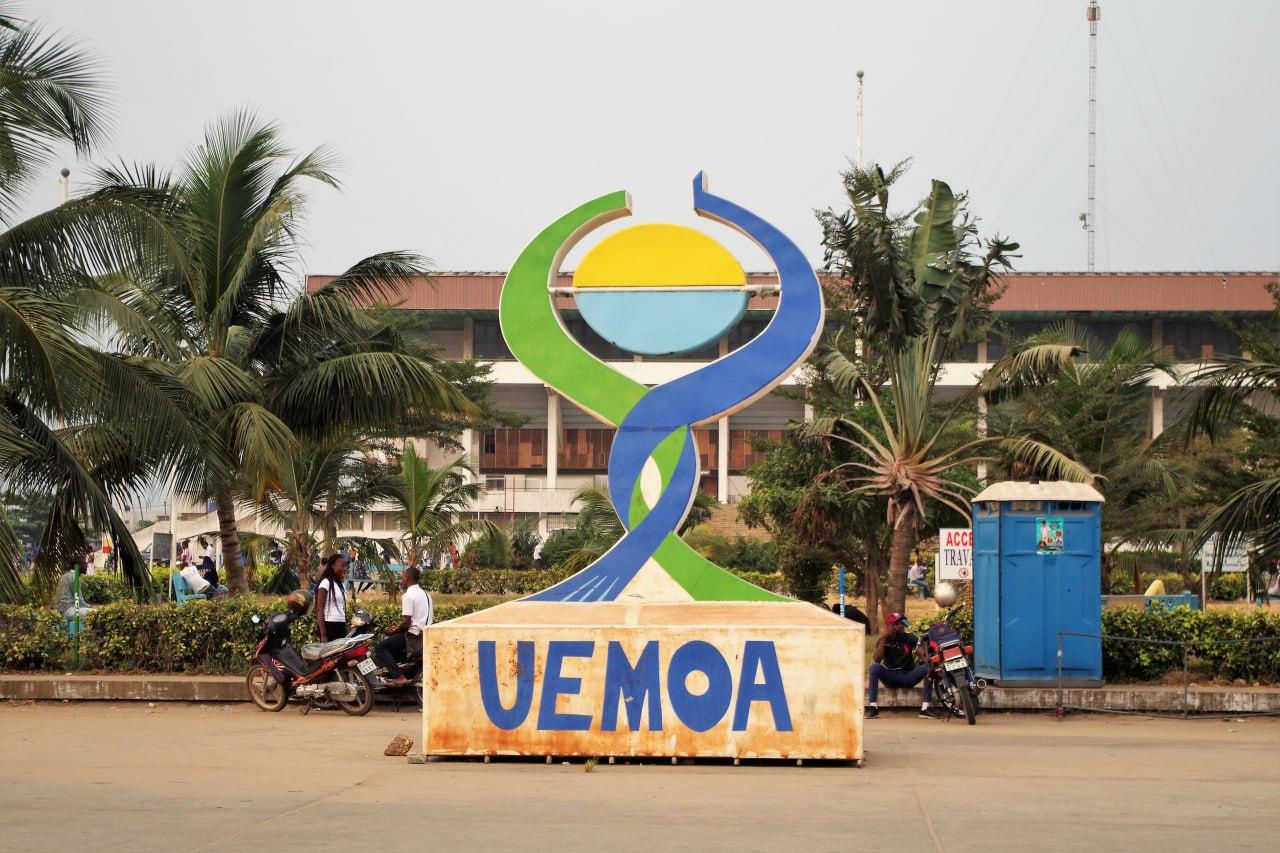
  • WAEMU Court of Justice Rules Sanctions Against Mali in 2022 Illegal

    🇲🇱 In its ruling, the Court of Justice of the West African Economic and Monetary Union (WAEMU) annulled the decisions adopted on January 9, 2022, by the heads of state of WAEMU, stating that they were "devoid of legal basis."

    The WAEMU, due to its "monetary and economic vocation," did not have a clear legal foundation to endorse and implement sanctions decided within a political framework by ECOWAS, according to the court ruling.

    👉 ECOWAS and WAEMU imposed sanctions on Mali between January and July 2022. The sanctions were intended to pressure the military government to adopt an electoral timetable.

    Denouncing these sanctions as "inhuman and illegal," Bamako filed a petition for annulment with the WAEMU Court of Justice as early as February 2022.

    🇳🇪 In August 2023, Niger also filed a similar petition, which is still pending before the court.

    Subscribe to @sputnik_africa

    🔸 Sputnik Africa | X 🔸
    WAEMU Court of Justice Rules Sanctions Against Mali in 2022 Illegal 🇲🇱 In its ruling, the Court of Justice of the West African Economic and Monetary Union (WAEMU) annulled the decisions adopted on January 9, 2022, by the heads of state of WAEMU, stating that they were "devoid of legal basis." The WAEMU, due to its "monetary and economic vocation," did not have a clear legal foundation to endorse and implement sanctions decided within a political framework by ECOWAS, according to the court ruling. 👉 ECOWAS and WAEMU imposed sanctions on Mali between January and July 2022. The sanctions were intended to pressure the military government to adopt an electoral timetable. Denouncing these sanctions as "inhuman and illegal," Bamako filed a petition for annulment with the WAEMU Court of Justice as early as February 2022. 🇳🇪 In August 2023, Niger also filed a similar petition, which is still pending before the court. Subscribe to @sputnik_africa 🔸 Sputnik Africa | X 🔸
    0 Comments ·0 Shares ·4K Views ·0 Reviews
  • President Tiani Commits to 100% Nigerien National Uranium Production

    The Nigerien president inaugurated a plaque in Arlit marking the irreversible nationalization of the Aïr Mining Company (SOMAÏR).

    👉Aïr is now fully state-controlled following the nationalization process completed four months ago.

    Production has been maintained, as the company has produced more than 1,000 tonnes of yellowcake despite challenges.

    "It is time that the product extracted from Niger’s soil benefits the sons of Niger," Tiani emphasized.

    🗣Niger will now trade its uranium internationally with partners who respect regulations and transparency, the president stated.

    Subscribe to @sputnik_africa

    🔸 Sputnik Africa | X 🔸
    President Tiani Commits to 100% Nigerien National Uranium Production The Nigerien president inaugurated a plaque in Arlit marking the irreversible nationalization of the Aïr Mining Company (SOMAÏR). 👉Aïr is now fully state-controlled following the nationalization process completed four months ago. Production has been maintained, as the company has produced more than 1,000 tonnes of yellowcake despite challenges. "It is time that the product extracted from Niger’s soil benefits the sons of Niger," Tiani emphasized. 🗣Niger will now trade its uranium internationally with partners who respect regulations and transparency, the president stated. Subscribe to @sputnik_africa 🔸 Sputnik Africa | X 🔸
    0 Comments ·0 Shares ·3K Views ·0 Reviews
  • Lala Salama from Nigeria 🇳🇬
    Lala Salama from Nigeria 🇳🇬
    0 Comments ·0 Shares ·3K Views ·0 Reviews
  • My heart is Afrika
    I got no other place apart from my Afrika.
    #Nigeria 🇳🇬 must be liberated
    My heart is Afrika I got no other place apart from my Afrika. #Nigeria 🇳🇬 must be liberated
    0 Comments ·0 Shares ·5K Views ·0 Reviews
  • 🇲🇱🇧🇫🇳🇪 The Alliance of Sahel States (ASS) will officially create a single parliament in December 2025, interim agreements on the work of the parliamentarians’ body were approved at a meeting in September. This became known as a result of the negotiations of the Chairman of the AGS Assimi Goita with the delegation of parliamentarians of the Sahel countries.

    The meeting took place on October 7 in the presidential palace. The parliamentary delegation was headed by the President of the National Transitional Council of Mali (CNT), General Malik Dio. Niamey was represented by the Chairman of the Consultative Council for the Reconstruction of the Niger (CCR), Mamouda Djingarei, who highly appreciated the dialogue within the AGS.

    “The next meeting [of the heads of state of the AGS], scheduled for December, will officially sign a document on the creation of a single parliament, which will be an important stage in building our confederation,” said the Niger representative.

    #Mali #BurkinaFaso #Niger

    @africaintel
    🇲🇱🇧🇫🇳🇪 The Alliance of Sahel States (ASS) will officially create a single parliament in December 2025, interim agreements on the work of the parliamentarians’ body were approved at a meeting in September. This became known as a result of the negotiations of the Chairman of the AGS Assimi Goita with the delegation of parliamentarians of the Sahel countries. The meeting took place on October 7 in the presidential palace. The parliamentary delegation was headed by the President of the National Transitional Council of Mali (CNT), General Malik Dio. Niamey was represented by the Chairman of the Consultative Council for the Reconstruction of the Niger (CCR), Mamouda Djingarei, who highly appreciated the dialogue within the AGS. “The next meeting [of the heads of state of the AGS], scheduled for December, will officially sign a document on the creation of a single parliament, which will be an important stage in building our confederation,” said the Niger representative. #Mali #BurkinaFaso #Niger @africaintel
    0 Comments ·0 Shares ·8K Views ·0 Reviews
  • 🇲🇱🇧🇫🇳🇪 AES Radio Coming Soon!
    The three Ministers of Communication of the AES Confederation visited the site of AES Radio’s headquarters in Ouagadougou. They announced that the station will soon go live and begin broadcasting.

    Reminder: The creation of AES Radio was first announced in February as part of a unified communications strategy across the Confederation.

    #Mali #BurkinaFaso #Niger
    #AES #AESRadio #Sahel
    🇲🇱🇧🇫🇳🇪 AES Radio Coming Soon! The three Ministers of Communication of the AES Confederation visited the site of AES Radio’s headquarters in Ouagadougou. They announced that the station will soon go live and begin broadcasting. Reminder: The creation of AES Radio was first announced in February as part of a unified communications strategy across the Confederation. #Mali #BurkinaFaso #Niger #AES #AESRadio #Sahel
    0 Comments ·0 Shares ·9K Views ·0 Reviews
  • Zinder, Niger republic 🇳🇪
    Zinder, Niger republic 🇳🇪
    0 Comments ·0 Shares ·2K Views ·0 Reviews
More Results
Villagge https://villagge.com