Vancouver Home Automation: A Guide to Connected Residential Technology
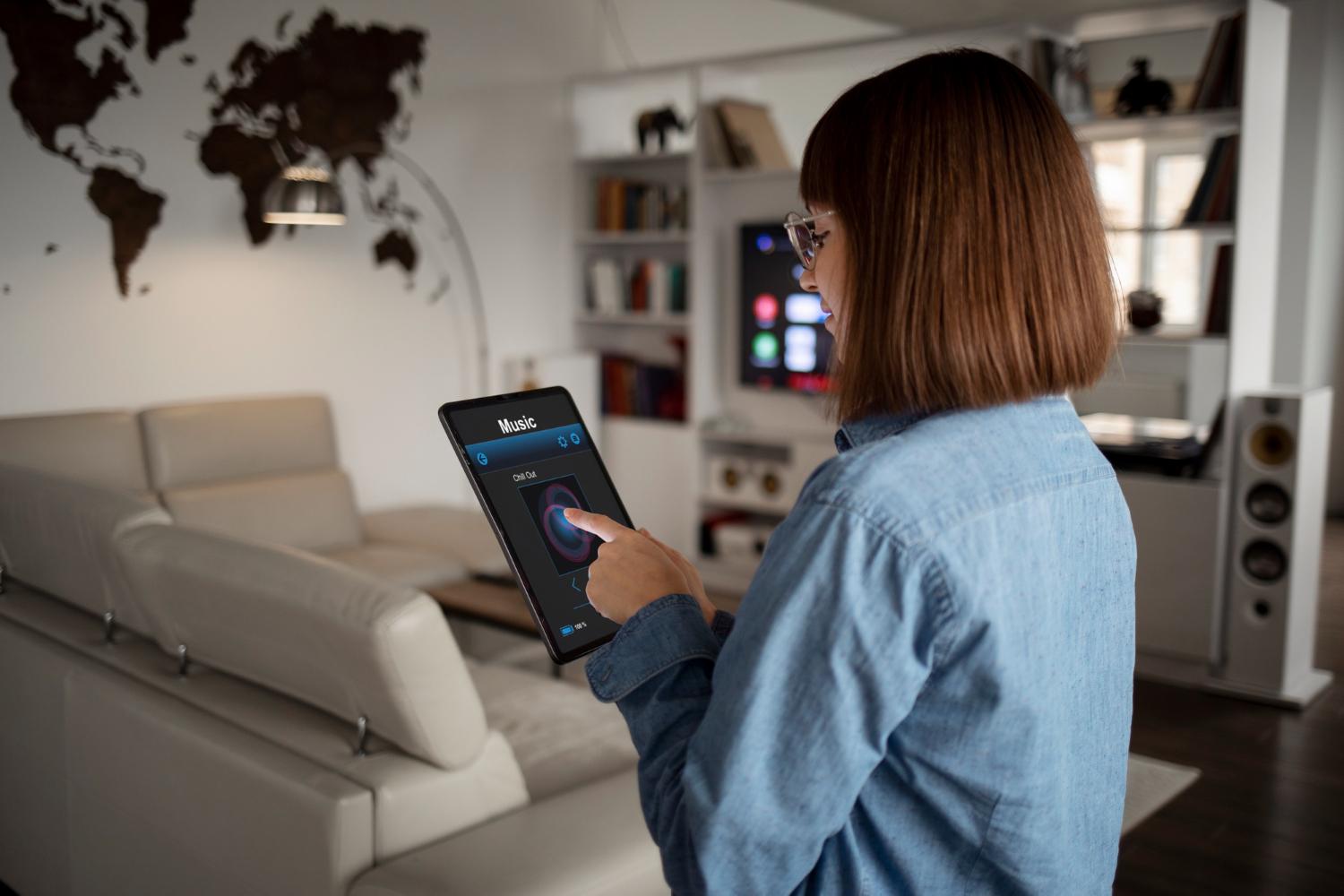
Vancouver home automation refers to the use of connected technologies to control and coordinate different functions within a residential property. Lighting, heating, security, window coverings, entertainment equipment, and other household systems can be connected to automated controls. Depending on the setup, these functions can operate according to schedules, sensor information, programmed routines, or commands from a central interface.
The growing use of connected residential technology has introduced new ways for households to manage everyday activities. However, home automation involves more than installing individual smart devices. Network connectivity, compatibility, privacy, security, property infrastructure, and user requirements can all influence how an automated system operates.
Understanding Vancouver Home Automation
Home automation combines hardware and software to control residential functions. A basic setup may involve a connected thermostat or automated lighting, while a more comprehensive system can coordinate several systems throughout a property.
Controls may be accessed through wall-mounted interfaces, mobile devices, voice commands, or other connected controllers. Automation can also operate without direct user input when specific conditions are established. For example, lights may turn on when motion is detected, or heating settings may change according to a predetermined schedule.
The extent of automation depends on the devices involved and how they communicate with one another.
Lighting Automation
Lighting is one of the most common applications of Vancouver home automation. Connected lights, switches, and dimmers can be programmed to operate at specific times or respond to activity within a room.
A household might establish different lighting routines for mornings, evenings, or periods when the property is unoccupied. Motion sensors can also be used to activate lights when movement is detected.
Lighting automation can provide centralized control, particularly in larger homes where multiple rooms and fixtures may otherwise require separate manual controls.
Heating and Temperature Control
Temperature management is another significant application. Vancouver's climate includes cool and wet periods during the year, making indoor heating an important part of residential comfort.
Connected thermostats can follow schedules based on the expected occupancy of a property. Some systems can also respond to temperature changes or other programmed conditions.
Temperature automation does not automatically result in reduced energy consumption. Its impact depends on factors such as the building's insulation, heating equipment, temperature settings, household habits, and the way automated schedules are configured.
Automated Home Security
Home security can incorporate connected cameras, door and window sensors, motion detectors, and electronic locks. These components can provide information about activity around or inside a property.
Depending on the system, notifications can be generated when a sensor detects movement or when another predefined event occurs. Some systems allow users to view connected cameras or manage locks remotely.
Security automation also introduces privacy and cybersecurity considerations. Connected cameras and sensors may collect information about a household and its surroundings, making secure account management and appropriate privacy settings important considerations.
Smart Window Coverings
Motorized blinds, shades, and curtains can also form part of a Vancouver home automation system. These products can be programmed to open or close at predetermined times.
Automated window coverings may also be coordinated with other household functions. For example, a system could be configured to adjust coverings according to a daily schedule or environmental conditions.
The usefulness of this type of automation depends on the home's layout, window placement, available equipment, and the preferences of the occupants.
Connectivity and Device Compatibility
A reliable network is an important component of home automation. Connected devices generally require communication through a home network or another compatible wireless or wired system.
Compatibility should also be considered before adding new equipment. Different devices may use different communication standards, applications, or control platforms. As a result, adding multiple devices from different sources does not necessarily create a unified automation system.
Older Vancouver properties may present additional considerations. Electrical infrastructure, network coverage, wiring, and existing fixtures can affect the installation and operation of connected equipment.
Home Automation in Different Property Types
Vancouver includes condominiums, apartments, townhouses, detached homes, and older residential properties. Each type can present different requirements for automation.
A condominium may have building-specific rules concerning wiring, security equipment, or modifications to common areas. A detached property may provide greater flexibility but can require more equipment to provide reliable coverage throughout multiple floors.
Older homes may need additional assessment of electrical systems and network coverage before certain automated devices can be installed.
Rental properties can involve further limitations because permanent changes may require approval from the property owner or manager.
Privacy and Cybersecurity
Because home automation relies on connected technology, privacy and cybersecurity are important aspects of residential automation. Devices may transmit information through local networks or internet connections.
Households can consider measures such as strong passwords, software updates, secure wireless networks, and appropriate access permissions. Connected cameras and microphones require particular attention because they can collect information from within or around a home.
The level of security depends on both the technology and how it is configured and maintained.
The Future of Vancouver Home Automation
Vancouver home automation continues to reflect the broader development of connected residential technology. As devices become increasingly capable of communicating with one another, households can automate a growing range of everyday functions.
However, effective automation depends on more than the number of connected devices in a property. Compatibility, network reliability, privacy, security, building infrastructure, and household requirements all influence the overall system.
For Vancouver residents, understanding these factors provides a practical foundation for evaluating residential automation. Whether automation is limited to lighting and temperature control or extends across security, window coverings, and entertainment systems, its operation ultimately depends on how well the technology fits the property and the needs of its occupants.
Catégories
Lire la suite
Buy Telegram Accounts Buy Telegram accounts can be a game-changer for businesses looking to expand their digital footprint. With millions of active users, Telegram offers an unparalleled platform for marketing and audience engagement.When you invest in these accounts, you’re not just acquiring profiles; you’re gaining access to established networks. This means instant connections...

Buy Naver Accounts In the digital age, where online presence dictates success, having a robust platform to connect with users is essential. For those seeking to tap into the vibrant South Korean market, Buy Naver accounts can be a game-changer. As one of Korea’s leading search engines and social platforms, Naver offers unparalleled access to millions of active users. But what makes it so...

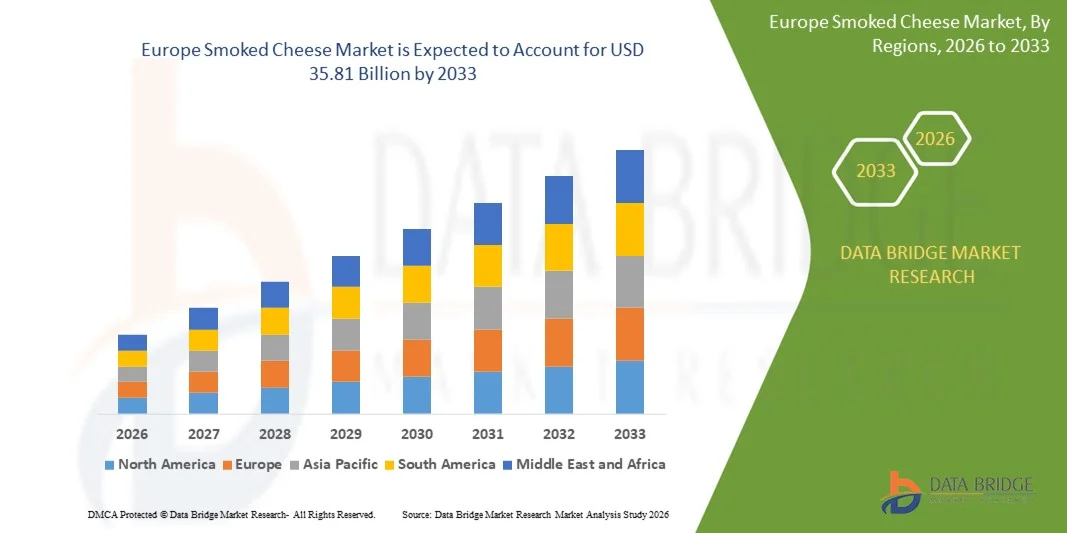
"In-Depth Study on Executive Summary Europe Smoked Cheese Market Market Size and Share The Europe smoked cheese market size was valued at USD 24.23 billion in 2025 and is expected to reach USD 35.81 billion by 2033, at a CAGR of 5.00% during the forecast period This Europe Smoked Cheese Market Market report is structured with the thorough market analysis...
Buy Telegram Accounts: Account History, Security, Ownership & Safe Alternatives (Complete Guide 2026) 🚪🚀💬📞📩 We’re always ready to help you 24/7! 😊💯🔥 💼⏰📩🌟🌐✨ We are available online 24/7📱💬🟢📞🌐🔥 ☎️ 💬 Telegram: @getpvatop 📲🟢💬📞🌍🚀 ☎️ 📱 WhatsApp: +1(873)710-7167 📱🟢📞💬🌐⚡ ☎️ 💭 Email: getpvatop@gmail.com 📲💬🟢☎️🌎🔥 📞 💬 Discord Community: getpvatop📱📞🟢💬🌍✨ ☎️ 📲 our...

Financial stability is one of the most important goals for individuals, families, and businesses alike. Whether someone is opening their first savings account, purchasing a home, managing a growing business, or planning for retirement, access to reliable banking services plays a significant role in achieving long-term success. Today, banks in Prattville AL are helping local residents build...