


How Does the Best Equine Laser Therapy Fit Into Horse Rehabilitation?
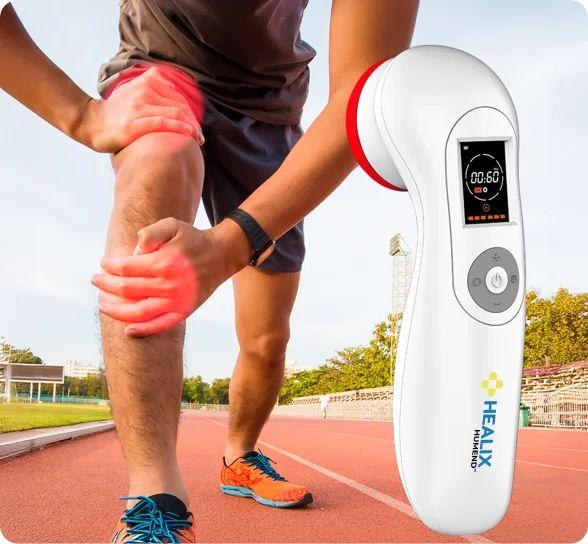
Horse rehabilitation often requires patience, careful monitoring, and a well-planned approach. Whether a horse is recovering from an injury, dealing with muscle soreness, or returning to training after a demanding season, supportive therapies can play an important role. One option receiving attention in modern equine care is laser therapy.
The best equine laser therapy can be incorporated into a broader rehabilitation program to support comfort, mobility, and recovery. When used appropriately by trained professionals, laser therapy may complement other rehabilitation methods such as controlled exercise, stretching, veterinary care, and rest.
What Is Equine Laser Therapy?
Equine laser therapy uses specific wavelengths of light applied to targeted areas of a horse's body. This non-invasive approach is commonly used as part of veterinary and rehabilitation programs.
The goal is to deliver therapeutic light to selected tissues while the horse remains comfortable during the session. Depending on the horse's condition and the treatment plan, a veterinarian or trained professional may apply laser therapy around muscles, joints, tendons, ligaments, or other areas requiring supportive care.
Laser therapy should not be viewed as a replacement for veterinary diagnosis. Instead, it can be included as one component of a comprehensive rehabilitation strategy.
How Can Laser Therapy Support Horse Rehabilitation?
A structured rehabilitation program usually focuses on gradually helping a horse return to normal movement and activity. Laser therapy may complement this process in several ways.
1. Supporting Comfortable Movement
Discomfort can affect how a horse moves. Changes in movement may place additional stress on other parts of the body. As rehabilitation progresses, maintaining comfortable movement can help support controlled activity.
The best equine laser therapy may be used alongside veterinary-directed rehabilitation to help support the horse's comfort during the recovery process.
2. Supporting Recovery After Exercise
Rehabilitation often involves carefully controlled exercise. As a horse becomes stronger, walking, stretching, and other activities may gradually increase.
Laser therapy may be incorporated into the recovery routine following exercise sessions. This can be particularly useful when a rehabilitation plan involves repeated, controlled physical activity.
3. Supporting Muscle and Soft-Tissue Care
Muscles, tendons, and ligaments can experience considerable stress during training and competition. A rehabilitation program may therefore include therapies designed to support soft-tissue recovery.
Laser therapy can be targeted toward selected areas as part of a professional treatment plan. The exact approach depends on the horse, its condition, and recommendations from the veterinary team.
4. Complementing a Complete Rehabilitation Plan
Effective rehabilitation rarely depends on one treatment alone. Rest, nutrition, veterinary assessment, appropriate exercise, physical therapy, and gradual conditioning can all contribute to the process.
Laser therapy can complement these methods rather than replace them. This makes it a useful consideration for equine clinics, rehabilitation professionals, trainers, and horse owners working with veterinary guidance.
When Should Laser Therapy Be Considered?
Every horse has different rehabilitation needs. A horse recovering from a soft-tissue problem may require a different approach from a horse returning to training after general soreness.
Before adding laser therapy, it is important to understand the underlying condition. Veterinary evaluation can help determine whether additional therapy is appropriate and where it should be applied.
Factors that may influence a rehabilitation plan include:
- The horse's age and activity level
- The location and nature of the problem
- Current mobility and comfort
- Training and competition demands
- Previous injuries
- Veterinary recommendations
- The horse's response to rehabilitation
A professional can also determine treatment frequency and duration based on the individual case.
Choosing the Best Equine Laser Therapy Equipment
Selecting suitable equipment is an important part of creating a professional rehabilitation program. Horse owners and equine professionals should consider factors such as device specifications, usability, treatment flexibility, manufacturer information, and professional support.
Healix Lasers provides laser therapy solutions designed for professional therapeutic applications. When evaluating an equine laser therapy device, users should focus on whether the equipment is appropriate for their intended application and whether they have access to proper training and guidance.
A quality device is only one part of successful rehabilitation. Correct application and an individualized treatment plan are equally important.
Building a Gradual Return-to-Activity Program
Rehabilitation should generally progress according to the horse's condition rather than an arbitrary timeline. A veterinarian or rehabilitation professional may begin with rest or low-impact movement before gradually increasing activity.
Laser therapy may be incorporated at different stages depending on the treatment plan. For example, it may be used alongside early controlled movement and later conditioning as the horse progresses.
Monitoring the horse throughout the process is essential. Changes in gait, behavior, performance, or comfort should be discussed with the veterinary team.
Final Thoughts
The best equine laser therapy can be a valuable complementary tool within a carefully managed horse rehabilitation program. By combining laser therapy with veterinary assessment, controlled exercise, appropriate rest, and other supportive strategies, equine professionals can create a more comprehensive approach to recovery. For horse owners and professionals considering laser therapy, the most important step is choosing an appropriate device and using it according to professional guidance. With a structured plan and consistent monitoring, laser therapy can become part of a modern approach to equine rehabilitation.
Categorii
Citește mai mult
Buy Old Instagram Accounts – Security Risks, Ownership Concerns, and Safe Alternatives (Complete Guide 2026) 🌐 ⚡️🕐 Instant Reply Guaranteed — Message now for quick assistance. 🛒🏆📱 Telegram: https://t.me/getpvatop 🛒🏆📢 Telegram Username: @getpvatop 🛒🏆📧 Email: getpvatop@gmail.com 🛒🏆💜 Discord Community: getpvatop 🛒🏆🌍 Website:https: https://getpvatop.com/ Meta...

When you need high-quality custom apparel, DTG printing offers a practical way to bring designs directly onto T-shirts. The Print HQ specializes in custom Direct to Garment T-shirt printing in Sydney, helping customers create apparel that reflects their ideas, style, or brand. Custom Direct to Garment T-Shirt Printing Direct to Garment printing is a popular option for creating custom...
According to the latest report published by Data Bridge Market Research, the Itaconic Acid Market CAGR Value The itaconic acid market is expected to witness market growth at a rate of 4.20% in the forecast period of 2021 to 2028 and is further estimated to reach USD 176.55 million by 2028. A talented team works strictly with their potential capabilities to produce the...

Buy LinkedIn accounts In today’s digital landscape, having a robust online presence is more crucial than ever. LinkedIn stands out as the premier platform for professionals to connect, network, and showcase their expertise. But what if you’re just starting or your current account isn’t making the impact you desire? This is where purchasing LinkedIn accounts can be a game...

Panoramica dei Casino Non AAMS I casino non AAMS sono piattaforme online che operano tramite licenze rilasciate da autorità estere. Per gli utenti italiani, è importante distinguere tra una licenza internazionale e una concessione italiana. Prima di valutare lista casino online non AAMS un operatore, conviene controllare la giurisdizione, le condizioni del servizio, le...

