


How to Choose the Right Linen and Cotton Curtains for Every Room
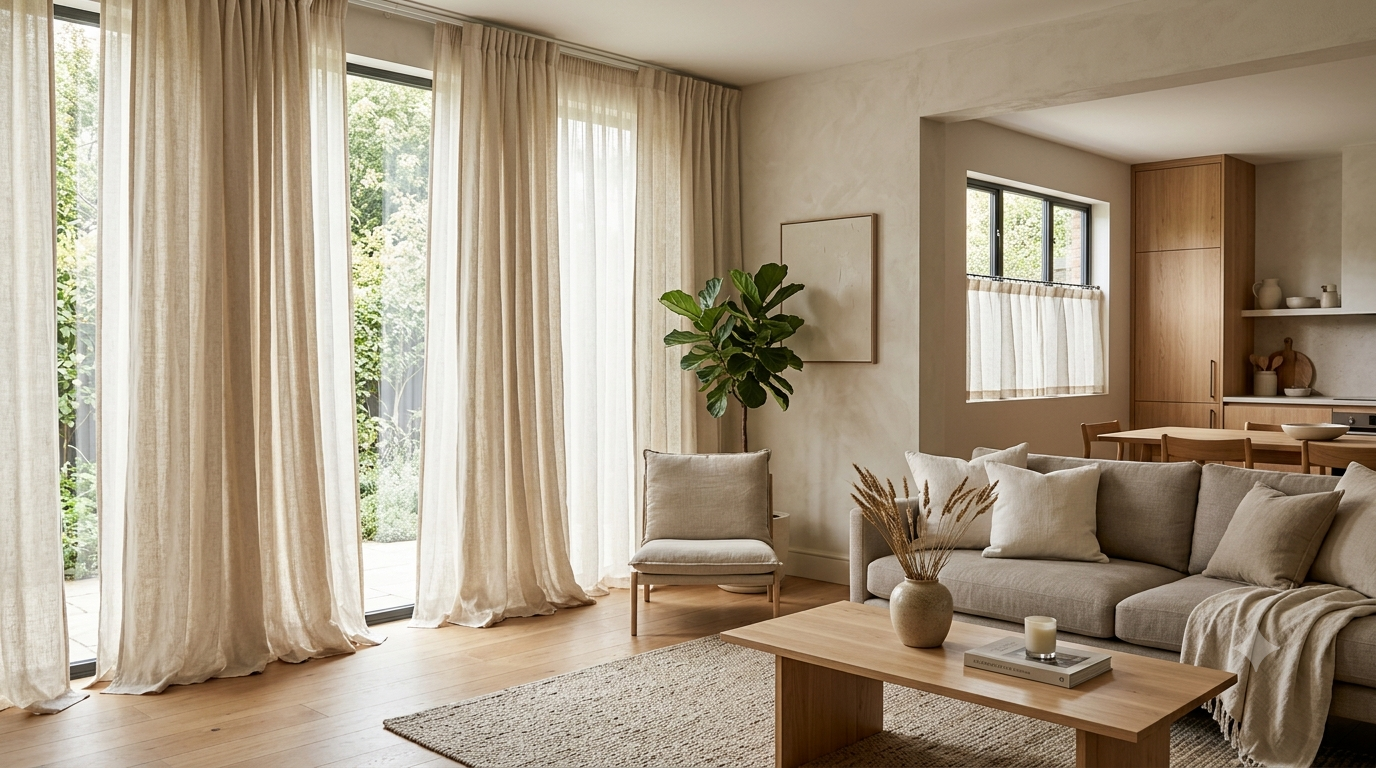
How to Choose the Right Linen and Cotton Curtains for Every Room
Curtains do much more than cover a window. They influence how natural light enters a room, add softness to hard surfaces, provide privacy, and contribute significantly to the overall character of an interior. Among the many options available today, natural fabric curtains made from linen and cotton remain popular because they offer a relaxed appearance and versatile styling possibilities.
Choosing the right curtain, however, involves more than selecting a color you like. The fabric, weave, length, width, texture, and relationship with the rest of the room all matter. A lightweight linen treatment may suit a bright living room, while textured cotton can bring warmth to a bedroom or dining space.
For homeowners interested in natural textiles, understanding the differences between linen and cotton can make the process of choosing window treatments much easier.
Why Curtain Fabric Matters in Home Décor
Fabric affects both the appearance and practical character of a curtain. Linen is often associated with an airy, relaxed aesthetic, while cotton offers a broad range of textures and styles.
The choice can also influence how a room feels visually. Lightweight fabrics can create a softer appearance around windows, whereas textured materials can introduce depth and interest to otherwise simple interiors.
Before selecting curtains, consider:
-
The amount of natural light entering the room
-
The level of privacy required
-
The existing furniture and décor
-
Window size and placement
-
The desired amount of visual texture
-
How frequently the curtains will need cleaning
-
Whether the room has a casual, traditional, modern, or transitional style
Thinking about these factors first helps ensure that the curtains complement the room rather than appearing disconnected from it.
Understanding Linen Curtain Panels
Linen is a natural textile valued in interiors for its distinctive texture and relaxed appearance. Its slightly irregular surface can add visual character without overwhelming other decorative elements.
Linen curtain panels can work particularly well in spaces where the goal is to create an understated and comfortable atmosphere. Depending on the weave and construction, linen curtains can provide a softer window treatment while allowing homeowners to maintain a connection with natural-looking materials.
When selecting linen panels, pay attention to:
Color
Neutral shades such as natural, ivory, beige, soft white, and light gray can blend easily with different interior palettes. Deeper or muted colors can create more contrast when the room has predominantly light walls and furniture.
Length
Curtain length affects the overall appearance of a window. Floor-length panels generally create a more finished look in living rooms and bedrooms, while shorter treatments may be practical in selected kitchen settings.
Width and Fullness
A curtain should generally have enough fabric to create attractive folds when closed. Measuring the window and considering the desired fullness before purchasing panels can help avoid an overly flat or stretched appearance.
How to Style Linen Curtains Panels
One of the strengths of linen is its ability to adapt to different decorating approaches. Linen curtains panels can complement minimalist rooms, coastal-inspired interiors, rustic spaces, Scandinavian-style décor, and more traditional homes.
Rather than matching curtains exactly to every item in the room, look for relationships between colors and textures.
For example, natural linen curtains can work alongside:
-
Wooden furniture
-
Woven baskets
-
Neutral rugs
-
Cotton cushions
-
Textured throws
-
Ceramic accessories
-
Natural-toned bedding
The goal is to create visual harmony rather than perfect repetition. A room often feels more sophisticated when fabrics have related tones but slightly different textures.
Homeowners exploring coordinated natural-fabric décor can also find inspiration from brands such as All Cotton and Linen, particularly when considering how curtains relate to other cotton and linen home textiles.
Choosing Linen Curtains for Kitchen Spaces
Kitchen windows require a slightly different approach. The area may experience cooking moisture, food splashes, odors, and frequent activity, so window treatments should be selected with practicality in mind.
Linen curtains for kitchen spaces can introduce softness and texture to an environment dominated by cabinetry, countertops, appliances, and other hard surfaces.
When selecting kitchen curtains, consider the position of the window. A window directly behind a sink or cooking area may benefit from a simpler treatment that is easy to handle and maintain. Windows farther away from cooking zones may offer greater flexibility in terms of curtain length and styling.
For linen curtains for kitchen areas, consider:
-
Neutral colors that complement cabinets and countertops
-
Practical lengths appropriate for the window location
-
Easy-to-manage curtain designs
-
Textures that complement wood or stone surfaces
-
A style that does not interfere with everyday kitchen activities
Kitchen window treatments do not have to be purely functional. A carefully selected natural textile can help connect the kitchen visually with adjoining dining or living spaces.
Why Cotton Slub Curtains Are a Versatile Option
Cotton is another widely used natural textile for home décor. It can be woven in numerous ways, making it suitable for everything from simple window treatments to highly textured decorative curtains.
Cotton slub curtains are particularly interesting because slub yarns create subtle variations in thickness across the fabric. This produces an intentionally textured appearance that can add depth to a room without relying on bold patterns.
Cotton slub curtains can be useful when a homeowner wants a window treatment that feels casual yet visually interesting. They can pair well with solid-colored furniture, natural wood, woven accessories, and other textured home textiles.
Their textured surface can also help break up rooms that contain many smooth materials, such as polished flooring, glass tables, painted cabinetry, or sleek furniture.
Choosing the Right Curtain Color and Texture
Color should be considered alongside the amount of texture in the room. If a room already contains patterned upholstery, decorative rugs, and colorful accessories, a simpler curtain may create balance.
In a more neutral room, textured curtains can provide subtle visual interest.
A few useful approaches include:
For a calm interior: Choose soft neutrals and lightly textured fabrics.
For contrast: Select a curtain shade that is noticeably deeper or lighter than the walls.
For continuity: Pick a curtain color that relates to an existing rug, cushion, or upholstered piece.
For a natural look: Combine linen or cotton with wood, rattan, jute, ceramics, and other tactile materials.
Instead of trying to make curtains the focal point in every room, consider whether they should blend into the background or contribute a layer of texture.
Curtain Ideas for Different Rooms
Living Room
Living rooms often benefit from full-length curtains that frame windows and soften the transition between walls and furniture. Linen panels in neutral shades can suit relaxed interiors, while textured cotton can add character to more casual spaces.
Layering curtains with blinds or shades can also provide greater flexibility when managing daylight and privacy.
Bedroom
Bedrooms generally call for a comfortable and visually restful atmosphere. Soft-colored linen or cotton curtains can complement bedding, upholstered furniture, and rugs without creating excessive visual contrast.
Consider coordinating curtain tones with the broader bedroom palette rather than matching them exactly to the bed linen.
Kitchen
Kitchen curtains should balance appearance with practicality. Depending on the window, smaller panels or appropriately sized treatments can create a decorative accent without interfering with work areas.
Natural-toned linen or textured cotton can work especially well with wood cabinetry and neutral countertops.
Dining Area
Curtains in dining areas can help create a more welcoming setting. Textured cotton and linen fabrics can complement dining linens, upholstered chairs, wooden tables, and decorative lighting.
If the dining area connects directly to a living room, using related curtain colors or fabrics can create continuity between the two spaces.
Tips for Maintaining Cotton and Linen Curtains
Natural textiles should be cared for according to their specific fabric and construction. Always check the manufacturer's care instructions before washing or treating curtains.
Some general considerations include:
-
Follow the recommended washing instructions.
-
Check whether the fabric is machine washable before laundering.
-
Avoid using cleaning methods that are not recommended for the particular textile.
-
Remove dust regularly using an appropriate gentle method.
-
Pay attention to shrinkage and care requirements when selecting curtains.
-
Allow curtains to dry according to their care instructions.
Curtains can also be easier to maintain when they are selected according to the demands of the room. A kitchen window and a formal living-room window may not require the same type of treatment.
Creating a Natural and Timeless Interior
Curtains are only one part of a home's textile story. Coordinating window treatments with bedding, table linens, cushions, throws, kitchen textiles, and other soft furnishings can create a more connected interior.
Cotton and linen are particularly useful for this approach because they can appear across different rooms while still allowing each space to maintain its own personality.
For example, a home might use textured cotton curtains in the living room, lighter linen treatments in the bedroom, and practical kitchen window coverings. Related neutral colors and natural textures can tie these choices together without making every room look identical.
When exploring this style of decorating, All Cotton and Linen is one source homeowners can look at for ideas across curtains and other cotton and linen home textiles, including kitchen, table, and bedroom-related products.
Conclusion
Choosing curtains is ultimately about finding the right balance between appearance, practicality, and the character of each room. Linen can bring an airy, naturally textured quality to interiors, while cotton provides versatility through different weaves, weights, and surface textures.
From linen curtain panels in living rooms to practical kitchen treatments and cotton slub curtains in relaxed interiors, there are many ways to use natural textiles creatively. The most successful choices consider the window, room function, existing color palette, furniture, and overall decorating style together.
Rather than treating curtains as an afterthought, consider them an important layer of interior design. With thoughtful choices in fabric, color, size, and texture, window treatments can help create a home that feels cohesive, comfortable, and timeless.
Κατηγορίες
Διαβάζω περισσότερα
Insulated Straw Mug has become a popular choice for people who enjoy travel, commuting, hiking, and outdoor activities. Selecting suitable drinkware involves considering daily habits, carrying convenience, cleaning requirements, and practical features for different situations. Dingchuncup develops beverage container solutions designed to support a wide range of personal and outdoor needs....

Buy Old Gmail Accounts For more information,just knock us!🌙🌚🌛🌜🌝🌞🌟✨ Telegram: @getpvatop 🌙🌚🌛🌜🌝🌞🌟✨ Email:getpvatop@gmail.com🌙🌚🌛🌜🌝🌞🌟✨ https://t.me/getpvatop 🌙🌚🌛🌜🌝🌞🌟✨ WhatsApp: +1(873)710-7167 🌙🌚🌛🌜🌝🌞🌟✨ our company:https://getpvatop.com/product/buy-old-gmail-accounts/🌑🌒🌓🌔🌕🌖🌗🌘 ✨🌙💫🌌🌙🖤🌑⚡🌒🔥🌓💫 Old Gmail accounts have become essential for professionals, marketers,...

Old Facebook Accounts: Complete Guide to Profile History, Privacy, Security & Responsible Management ═══════✮➤═══════✮➤═══════✮ ═══════✮➤Telegram➜❯ @smmhubpva ═══════✮➤Email➜ smmhubpva@gmail.com ═══════✮➤Discord➜❯ smmhubpva ═══════✮➤Telegram➜❯ @smmhubpva ═══════✮➤═══════✮➤═══════✮ For more information, visit smmhubpva.com Meta Title: Old Facebook Accounts – Complete Guide...

Creating an authentic personal style takes a lot more than just grabbing random clothes from your closet each morning. For instance, when you combine comfortable streetwear pieces with premium accessories, you instantly transform your entire aesthetic. Many people believe you need a massive budget to look put together, but that is simply not true. Instead, focusing on how different textures and...

According to the latest report published by Data Bridge Market Research, the Interactive Display Market Global interactive display market size was valued at USD 23.87 billion in 2024 and is projected to reach USD 45.85 billion by 2032, with a CAGR of 8.50% during the forecast period of 2025 to 2032. The large scale Interactive Display Marketing report studies and evaluates market drivers,...