


What Are the Benefits of Massage for Active Individuals?
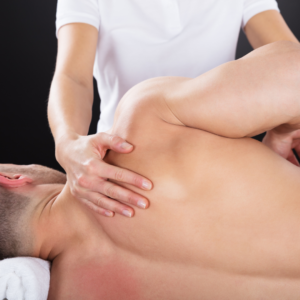
Physical activity places significant demands on the human body. Muscles, tendons, joints, and the nervous system all experience meaningful stress during regular exercise and sport. The body's capacity to manage this stress and adapt positively to it determines both performance outcomes and long-term health. Massage therapy supports this adaptive capacity in multiple, evidence-supported ways.
Active individuals at every level, from recreational exercisers to elite competitors, can benefit meaningfully from regular massage therapy. The specific benefits vary with intensity level, sport type, and individual factors. However, the underlying mechanisms through which massage supports active bodies are consistent and well-documented. Understanding these mechanisms helps active individuals make informed decisions about integrating massage into their wellness routines.
Enhanced Circulation and Tissue Health
Adequate blood flow is the foundation of tissue health. Every cell in active tissue requires continuous delivery of oxygen and metabolic fuel. Every active cell also continuously generates metabolic byproducts that must be efficiently removed. Blood circulation provides both services simultaneously.
Intense physical activity creates areas of muscle tissue that experience reduced effective circulation due to sustained contraction, fascial compression, and post-exercise congestion. These areas of compromised circulation are more vulnerable to both acute injury and chronic deterioration. They recover more slowly from training demands and maintain higher resting tension than well-circulated tissue.
Massage therapy directly enhances circulation in treated tissues. The mechanical pressure of massage dilates superficial blood vessels and promotes blood flow into treated areas. This enhanced circulation improves both nutrient delivery and metabolic waste removal. The dual effect supports faster tissue recovery and better sustained tissue health across training cycles.
Lymphatic circulation benefits equally from massage therapy. The lymphatic system removes excess fluid, inflammatory mediators, and metabolic byproducts from tissues. Unlike the cardiovascular system, the lymphatic system has no central pump. It depends entirely on muscle movement and external pressure to maintain flow. Post-exercise congestion from accumulated lymphatic fluid contributes to the sensation of heaviness and tightness that follows intense training. Massage supports lymphatic drainage and accelerates the resolution of this congestion.
Reduced Muscle Tension and Improved Flexibility
Muscle tension above resting baseline is a common and often persistent consequence of regular intense training. High-intensity exercise activates muscles repeatedly at high levels. Between sessions, these muscles should return to normal resting tension. When recovery is incomplete, resting tension remains elevated. Chronically elevated resting tension limits performance, reduces flexibility, and increases injury risk.
Massage therapy reduces elevated muscle tension through both mechanical and neurological mechanisms. Mechanical compression and stretching of muscle tissue directly addresses the physical basis of elevated resting tension. The neurological component involves activation of the parasympathetic nervous system, which reduces the neural drive maintaining elevated muscle tone. Together, these mechanisms produce reductions in resting muscle tension that persist well beyond the massage session itself.
Improved flexibility results naturally from reduced muscle tension and fascial mobility. The ability to move joints through their full range of motion depends on the compliance of surrounding soft tissues. Restricted, tense muscles limit available range mechanically. Fascia that has lost pliability creates additional restriction. Massage that addresses both muscular tension and fascial mobility produces meaningful improvements in functional flexibility.
These flexibility improvements have direct performance implications. A runner with improved hip flexor mobility achieves longer, more efficient stride mechanics. A swimmer with better shoulder mobility executes a more powerful catch position. A cyclist with reduced quadriceps tension sits more comfortably in their optimal power position. Flexibility improvements gained through massage translate into functional performance gains across all activities.
Injury Prevention Through Regular Tissue Maintenance
One of the most compelling benefits of regular massage for active individuals is its role in preventing injury. Many sports injuries do not occur suddenly. They develop through a progressive accumulation of tissue changes that create vulnerability before overt injury occurs. Regular massage assessment and treatment identifies and addresses these changes before they progress to injury threshold.
Experienced sports massage therapists develop intimate familiarity with the tissue patterns of their regular clients. They notice when muscle quality changes, where new tension patterns are developing, and where early adhesions are forming. This early detection capability is a significant injury prevention asset. Treating developing tissue changes preemptively prevents progression to actual injury.
The sports massage and therapy team at Equilibrium Therapeutics provides this preventive monitoring alongside immediate treatment benefits. Their sport-specific expertise allows them to anticipate injury patterns associated with specific activities. Runners, cyclists, swimmers, and team sport athletes each have characteristic tissue vulnerabilities. Targeted preventive treatment addresses these vulnerabilities systematically.
The financial and competitive cost of sports injuries justifies meaningful preventive investment. Time lost to injury represents not just discomfort but lost training opportunities, missed competitions, and interrupted development. The cost of regular preventive massage is consistently less than the cost of treating an injury and managing its aftermath.
Accelerated Recovery Between Training Sessions
Recovery speed between training sessions determines how frequently and intensely athletes can train effectively. Faster recovery allows more training within a given period. More training, when recovery is adequate, produces faster performance development. Massage therapy supports faster recovery through multiple mechanisms that have been extensively researched.
Post-exercise muscle soreness, which typically peaks 24 to 48 hours after intense training, is significantly reduced by massage. Research consistently demonstrates that massage performed within several hours after exercise reduces both the intensity and duration of delayed onset muscle soreness. This reduction directly affects training readiness for subsequent sessions.
Restoration of normal muscle function following intense training is accelerated by massage. Studies examining strength recovery after demanding exercise show faster return to baseline strength following massage compared to passive rest. This functional recovery benefit extends beyond subjective comfort to actual performance capacity. Athletes who recover muscle function faster train more effectively in their next session.
Hormonal recovery, including normalization of cortisol levels elevated by training stress, is supported by massage therapy. Chronic cortisol elevation from inadequate recovery suppresses immune function, impairs sleep, and reduces anabolic hormone activity. Massage-induced parasympathetic activation reduces cortisol levels and supports the hormonal environment most favorable to adaptation and recovery.
Psychological Benefits for Active Individuals
The psychological benefits of regular massage are as real as the physical ones, though they receive less attention in the sports performance literature. Active individuals, particularly those who train competitively, face significant psychological demands alongside physical ones. Managing these demands effectively influences both well-being and performance.
Stress reduction is among the most immediate and reliable psychological benefits of massage. Therapeutic massage activates the parasympathetic nervous system and reduces cortisol levels. These physiological changes produce subjective relaxation that persists for hours following treatment. For athletes managing the cumulative stress of training, competition, and daily life, this reliable relaxation response is genuinely valuable.
Improved sleep quality following massage therapy reflects both the physiological changes described above and the subjective relaxation that massage produces. Sleep is the most powerful recovery tool available to active individuals. Anything that reliably improves sleep quality thereby improves recovery comprehensively. Many athletes report that massage days consistently produce better sleep than other days.
Body awareness is enhanced through regular massage. The attentive touch of skilled massage increases proprioceptive awareness of specific body regions. Athletes develop better awareness of tension, restriction, and functional differences between body regions. This enhanced body awareness supports better self-monitoring and earlier recognition of developing problems.
Pain Management and Comfort During Training
Pain and discomfort from musculoskeletal sources affect many active individuals to varying degrees. Even below the threshold of actual injury, tension patterns, trigger points, and movement restrictions create discomfort that affects training enjoyment and quality. Massage therapy addresses these pain sources directly and effectively.
Trigger point deactivation through targeted massage pressure produces significant relief from the referred pain patterns that trigger points create. Athletes with chronic trigger points in the hip flexors, glutes, or shoulder girdle often experience widespread discomfort that limits comfortable training. Deactivating these trigger points produces immediate and often dramatic pain relief.
The gate control mechanism of pain modulation explains some of massage's immediate analgesic effects. Tactile stimulation through massage competes with pain signals in the nervous system, effectively reducing pain perception during and after treatment. This mechanism provides relief that is immediate and does not depend on tissue change.
Endorphin release during massage therapy also contributes to pain relief. Endorphins are the body's natural opioid compounds. They are released in response to various stimuli including sustained therapeutic touch. The endorphin response to massage produces pain relief that persists for hours following treatment.
Supporting Long-Term Athletic Longevity
Perhaps the most significant long-term benefit of regular massage for active individuals is its contribution to sustained athletic longevity. The accumulated tissue changes from years of training without adequate maintenance eventually limit the duration of active participation. Regular massage counters this accumulation and helps maintain the physical foundation needed for long-term activity.
Many older athletes credit regular massage alongside other recovery practices for their ability to continue active participation beyond the ages at which their peers have stopped. Their tissue quality, maintained through consistent attention, supports continued training without the debilitating accumulation of restrictions and trigger points that end many athletic careers prematurely.
This longevity benefit compounds over years into a dramatic difference in the quality and duration of active life. Active individuals who invest in massage therapy and other recovery practices can typically remain effectively active for significantly longer than those who focus exclusively on training. The investment pays dividends that grow in value as the years accumulate.
Conclusion
The benefits of massage therapy for active individuals are comprehensive, well-documented, and practically significant. Enhanced circulation, reduced muscle tension, improved flexibility, injury prevention, accelerated recovery, psychological benefits, pain management, and long-term athletic longevity all result from regular therapeutic massage. Active individuals who integrate this practice into their overall wellness approach gain meaningful advantages in both performance and long-term health. Whether you are a recreational exerciser or a competitive athlete, regular massage therapy supports the physical demands of your active life in ways that training alone cannot provide.
Categorias
Leia Mais
Luxury SPC Flooring: The Perfect Flooring Solution for Modern Interiors Overview Luxury SPC Flooring has become one of the most preferred flooring solutions for residential and commercial properties in Dubai. Known for its waterproof performance, exceptional durability, and elegant appearance, SPC flooring offers the perfect balance of style and functionality. Whether you are renovating a home,...

In 2026, getting an app onto a screen is easier than ever. AI can generate layouts, write boilerplate code, connect APIs and turn a prompt into a working prototype in minutes. The harder question is no longer, “Can AI build an app?” It can. The real question is whether that app is secure, useful, scalable, compliant, maintainable and valuable enough for customers to keep using it....

Perkembangan teknologi web-based telah mengubah banyak kebiasaan masyarakat advanced, termasuk dalam mencari hiburan secara over the internet. Saat ini, console hiburan handheld semakin diminati karena menawarkan kemudahan akses, tampilan menarik, serta pengalaman yang lebih praktis. rajabandot link Salah satu nama yang mulai banyak diperbincangkan oleh para pengguna web-based adalah...

Buy Yahoo Accounts from getpvasmm.com In today’s digital age, having an online presence is more crucial than ever. Yahoo accounts are a gateway to numerous services, from email communication to news and social networking. But managing just one account can be limiting, especially for professionals or businesses that require multiple profiles. This is where the option to buy Yahoo accounts...

The Bash Barbarian is a staple of Diablo 4's endgame, offering a satisfying blend of brute force, simplicity, and tankiness. Unlike high-skill-ceiling builds that require complex rotations, this build centers on Bash-your core basic skill-as the primary source of Diablo 4 Items damage, making it ideal for both new and experienced players. Whether you're clearing Nightmare Dungeons, taking on...
