


How Our Clinic Delivers a Patient-Centered Rhinoplasty Experience
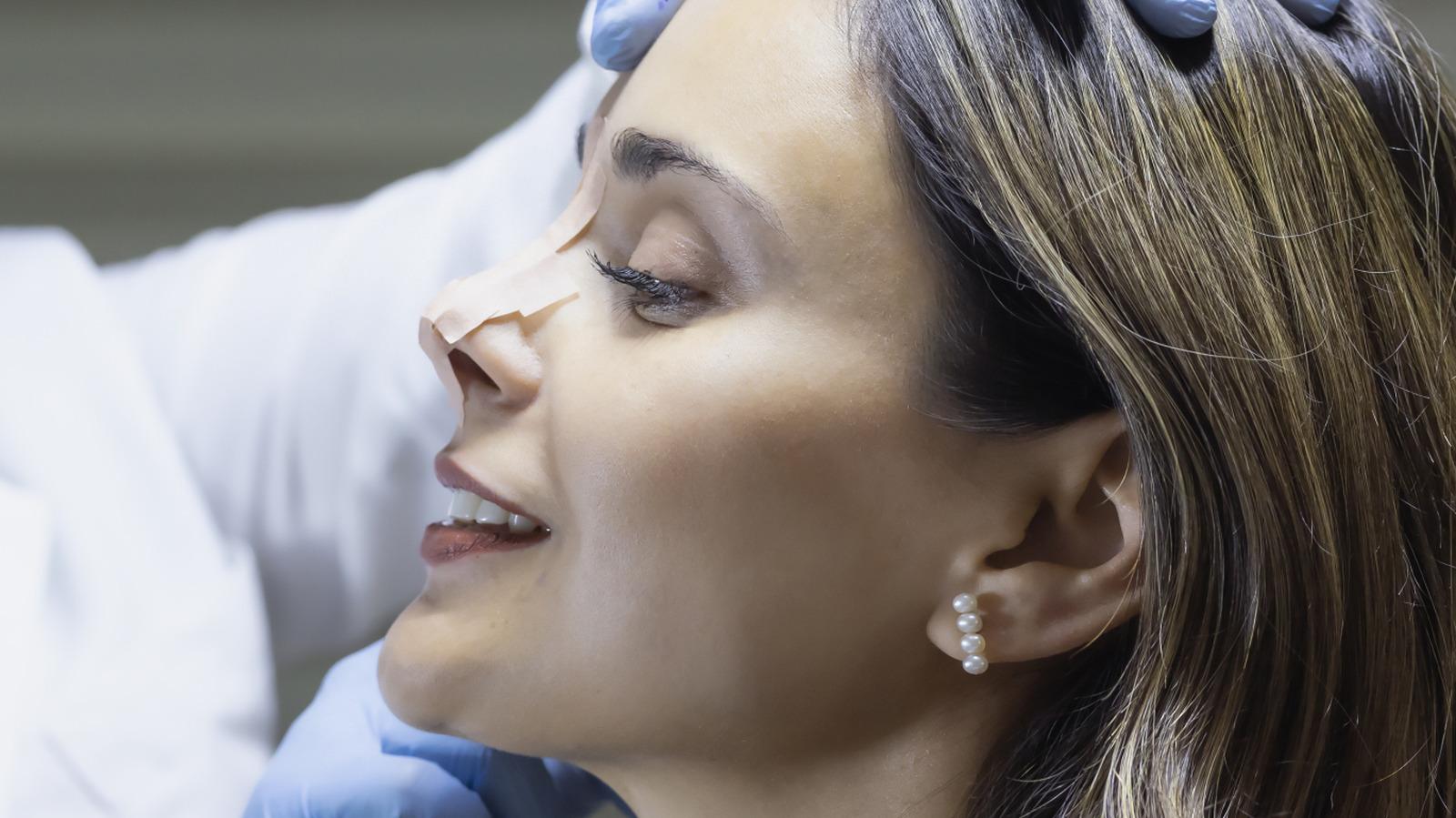
Rhinoplasty is more than changing the appearance of the nose. It can involve aesthetic goals, nasal structure, breathing concerns, recovery expectations, and personal preferences. A truly patient-centered approach puts these factors together before any treatment decision is made. For people considering Rhinoplasty in Islamabad, choosing a clinic that prioritizes communication, individualized planning, safety, and long-term satisfaction can make the overall experience more comfortable and informed.
A patient-centered rhinoplasty journey means that the patient is actively involved in decisions rather than simply being given a standard treatment plan. Professional rhinoplasty guidance emphasizes discussing motivations, expectations, potential risks, breathing, alternatives, and postoperative care before surgery.
Understanding the Patient’s Individual Goals
Every nose is different, and every patient may have different reasons for considering rhinoplasty. Some people may want to address a dorsal hump, nasal width, tip shape, asymmetry, or overall facial balance. Others may have concerns about breathing or previous nasal surgery.
Our patient-centered approach begins by listening carefully to what the patient wants to achieve.
During consultation, important topics may include:
- The patient's primary aesthetic concerns
- Previous nasal injuries or procedures
- Breathing difficulties
- Desired changes in nasal shape or proportion
- Expectations regarding recovery
- Concerns about potential risks and limitations
This conversation helps establish realistic treatment goals. Medical guidelines recommend that rhinoplasty consultations address both patient motivation and expectations so that achievable outcomes are clearly understood.
Personalized Rhinoplasty Planning
There is no single rhinoplasty technique that is appropriate for every patient. The surgical approach depends on individual anatomy, nasal structure, skin characteristics, functional concerns, and the changes being considered.
A personalized assessment may consider:
- Nasal bone and cartilage structure
- Septal position
- Nasal airway and breathing
- Skin thickness
- Tip and bridge characteristics
- Facial proportions
- Previous surgery or trauma
Based on this assessment, the treatment plan can be tailored to the patient's specific needs rather than following a one-size-fits-all approach.
Clear Communication Before Treatment
One of the most important elements of a patient-centered experience is communication. Rhinoplasty can involve subtle structural changes, and patients need to understand what surgery can realistically accomplish.
Our approach focuses on explaining:
- What the procedure involves
- Which changes may be achievable
- Possible limitations
- Expected recovery stages
- Potential complications
- Available alternatives
- Postoperative responsibilities
Patients should have an opportunity to ask questions and understand the information before providing informed consent. Evidence-based rhinoplasty guidance also emphasizes explaining risks, benefits, alternatives, breathing considerations, and possible future surgery when appropriate.
Combining Aesthetic and Functional Considerations
A patient-centered rhinoplasty consultation should not focus exclusively on appearance. The nose also plays an important role in breathing.
If a patient reports nasal obstruction, congestion, previous nasal trauma, or other functional concerns, these issues should be assessed as part of the preoperative evaluation.
Depending on the individual's anatomy and medical assessment, rhinoplasty may sometimes be combined with functional procedures. However, treatment decisions should always be based on clinical need rather than assuming that every patient requires the same combination of procedures.
This balanced approach supports both facial harmony and appropriate consideration of nasal function.
Prioritizing Safety and Informed Consent
Patient safety remains a fundamental part of quality surgical care. Before rhinoplasty, patients should understand that surgery has potential risks and that results cannot be guaranteed with absolute certainty.
Potential considerations can include:
- Bleeding or infection
- Swelling and bruising
- Temporary numbness or tenderness
- Breathing changes
- Asymmetry or contour irregularities
- Persistent swelling
- The possibility of revision surgery
Informed consent is not simply a signature on a form. It should be a meaningful conversation in which patients understand the procedure, potential risks, expected benefits, alternatives, and aftercare requirements.
Supporting Patients Through Recovery
The patient experience does not end when the procedure is completed. Recovery is an important part of rhinoplasty, and patients need practical guidance about what happens after surgery.
Early recovery may involve swelling, bruising, congestion, tenderness, and temporary activity restrictions. Visible swelling generally improves gradually, while finer changes can continue developing for several months. Recovery varies according to factors such as surgical technique, individual healing, skin characteristics, and whether the procedure is a primary or revision rhinoplasty.
A supportive aftercare process can include:
- Clear postoperative instructions
- Guidance about medications and wound care
- Advice regarding sleeping position and physical activity
- Follow-up appointments
- Monitoring of healing progress
- Communication about unexpected symptoms or concerns
Providing information in understandable language and maintaining follow-up communication are important components of patient-centered care.
A Clinic Experience Built Around the Patient
At SKN Cosmetics in Islamabad, the focus of a patient-centered rhinoplasty experience is personalized communication and individualized care. Patients can discuss their concerns, understand their treatment options, ask questions, and receive guidance about the procedure and recovery process.
Rather than focusing only on a desired nose shape, a comprehensive approach considers facial balance, nasal anatomy, functional concerns, personal expectations, and overall wellbeing. This helps patients make decisions based on realistic information instead of unrealistic promises.
For patients searching for Rhinoplasty in Islamabad, the right clinic should provide more than a procedure. It should provide an informed journey from consultation through recovery, with appropriate attention to safety, communication, individualized planning, and patient expectations.
Why Patient-Centered Rhinoplasty Matters
A successful rhinoplasty experience involves more than the surgical result. Patients also want to feel heard, informed, respected, and supported throughout their treatment journey.
A patient-centered model helps by:
- Encouraging shared decision-making
- Setting realistic expectations
- Addressing aesthetic and functional concerns
- Explaining risks and recovery clearly
- Providing individualized treatment planning
- Maintaining communication after surgery
- Focusing on long-term satisfaction rather than quick results
Ultimately, rhinoplasty should be approached as a personalized surgical decision rather than a standardized cosmetic treatment. Careful consultation, realistic expectations, appropriate medical assessment, and consistent aftercare can help patients navigate the process with greater confidence.
Frequently Asked Questions
What is patient-centered rhinoplasty?
It is an approach that involves the patient in treatment decisions and focuses on individual goals, anatomy, safety, expectations, and recovery.
Can rhinoplasty improve breathing?
It can sometimes address structural causes of nasal breathing problems, depending on the individual's anatomy and clinical assessment.
How long does rhinoplasty recovery take?
Initial recovery commonly takes a few weeks, but swelling and subtle changes can continue settling for several months.
Is rhinoplasty suitable for everyone?
No. Suitability depends on individual health, anatomy, expectations, motivations, and clinical assessment.
Why are realistic expectations important?
Realistic expectations help patients understand achievable outcomes and make informed decisions about surgery.
Categorias
Leia Mais
Mercedes-Benz has introduced the Mercedes-Maybach S 580e plug-in hybrid in India at ₹3.35 crore (ex-showroom). The flagship sedan blends ultra-luxury craftsmanship with an eco-conscious electrified powertrain, delivering 585 hp and up to 98 km of pure electric range. Mercedes-Benz India has officially launched the Mercedes-Maybach S 580e, marking the debut of its flagship plug-in...

Just pick up your phone and call us right now to avail of the best Dubai escort service at callgirlsmodel.com. We will be there anytime you want, 24 hours a day. Value for Money Dubai escorts services. Callgirlsmodel.com offers you the best and cheap VIP Escorts in Dubai services. We adjust the price according to your budget without compromising on quality. We have the...

A Ceramic 3D Printing Machine represents one of the most intriguing intersections between traditional craftsmanship and digital manufacturing. Although ceramics have existed for thousands of years, the introduction of automated clay extrusion has fundamentally changed how designers, artists, engineers, and small studios approach the material. What makes this machine compelling is not only its...

8SWIN – Trusted Platform Featuring 3,000+ Exciting Reward Games Amid the many names appearing in the market, https://8swin.build/ stands out thanks to its advanced technology, extensive game library, and internationally standardized customer service. Rather than simply providing conventional forms of entertainment, the brand also focuses on creating a secure and transparent...

Looking for the ultimate drifting experience directly from your browser? Drift Hunters is the premier 3D car drifting simulator that offers unmatched physics, endless vehicle customization, and exhilarating track gameplay—completely free. Whether you are a fan of JDM legend cars or modern muscle beasts, Play Drift Hunters today and turn your sideways action into real high...

