

Best Gemstone Color Combinations for Jewelry Making

Choosing the right gemstone colors can turn a simple jewelry design into something special. When you combine gemstones with Gemstone Chains , you can create necklaces, bracelets, and pendants that look balanced, stylish, and easy to wear. The key is to choose colors that work well together instead of adding too many shades to one piece. Whether you make jewelry for yourself or sell handmade designs, a few simple color rules can help you get better results.
In this guide, you will find some of the best gemstone color combinations for jewelry making, along with tips for matching stones with gold filled chains. You will also learn how to choose colors for different styles, from simple everyday jewelry to bold statement pieces.
Why Gemstone Color Combinations Matter in Jewelry Making
Color affects how people notice and enjoy a piece of jewelry. Two gemstones may look beautiful on their own but create a very different effect when placed together.
For example, deep blue stones paired with warm orange stones create a strong contrast. Pink and purple stones, on the other hand, can give a softer look. Adding gold filled chains brings another color into the design and can make the gemstones stand out.
Before choosing your stones, think about three things:
-
Color: Decide which shades you want to combine.
-
Size: Larger gemstones usually draw more attention than small beads.
-
Metal finish: The warm tone of gold filled chains can change how the overall design looks.
Moreover, you do not need many colors to make attractive jewelry. Two gemstone colors and one metal tone are often enough for a clean, well-planned design.
1. Blue and Gold: A Classic Combination
Blue gemstones paired with gold are a popular choice for necklaces, bracelets, and pendant jewelry. The cool color of blue creates a clear contrast with the warm tone of gold.
You can try these gemstone options:
-
Blue sapphire with small golden accents
-
Aquamarine with clear quartz
-
Blue topaz with citrine
-
Lapis lazuli with gold filled chain links
For a simple necklace, use a blue gemstone pendant with a fine gold filled chain. This keeps the design clean and lets the stone remain the main feature.
If you are making a bracelet, combine blue gemstone beads with small gold filled spacers. Keep the metal details limited so they support the stones rather than compete with them.
This color combination works well for both everyday jewelry and gifts. Furthermore, it can be styled with white, black, cream, and denim clothing.
2. Green and Gold: Natural and Rich
Green gemstones work beautifully with gold filled chains because the warm metal adds contrast to the cool or earthy tones of green.
Emerald, green aventurine, peridot, and green tourmaline are useful choices, depending on your budget and design.
Here are a few combinations to try:
-
Emerald with gold filled chain links
-
Green aventurine with cream-colored beads
-
Peridot with clear quartz
-
Green tourmaline with small pink gemstone accents
For a pendant necklace, a single green stone can be enough. Choose a gold filled chain that suits the pendant's weight and size.
For a more detailed design, mix light and dark green stones. This creates depth without introducing too many different colors.
Indeed, green and gold can suit both modern and classic jewelry styles. If you prefer a softer look, choose pale green stones. For a bolder design, use deep green gemstones with fewer decorative elements.
3. Pink and Purple: Soft and Elegant
Pink and purple gemstones are useful when you want to create jewelry with a gentle, coordinated look. These colors can work together because they sit close to each other on the color wheel.
Good gemstone choices include rose quartz, amethyst, pink tourmaline, and rhodonite.
Try these combinations:
-
Rose quartz with amethyst
-
Pink tourmaline with light purple fluorite
-
Rose quartz with clear quartz
-
Amethyst with small pink gemstone beads
Gold filled chains add warmth to these colors. A fine chain with a rose quartz pendant works well for a simple necklace, while a bracelet can combine pink and purple beads in a repeating pattern.
If you want the jewelry to look balanced, choose one main color. For example, use mostly pink stones and add a few purple beads as accents.
Moreover, you can use different shades of pink and purple in the same design. Light pink with deep purple creates more contrast, while similar shades produce a softer effect.
4. Red and Green: Bold Gemstone Color Combinations
Red and green sit opposite each other on the traditional color wheel. This makes them a strong choice when you want your jewelry to stand out.
Ruby, garnet, green tourmaline, and emerald are possible gemstone options. You can also use more affordable alternatives, such as red jasper and green aventurine.
For a bold necklace, use a green gemstone pendant with small red accents. For a bracelet, repeat a pattern of green beads with occasional red stones.
The main thing is to control the amount of each color. If both colors are bright and used in equal amounts, the design may feel busy. Choose one as the main color and use the other in smaller details.
Gold filled chains can help connect the two colors visually. Their warm finish adds another element without requiring extra gemstones.
This pairing works especially well for statement jewelry, festive accessories, and designs inspired by rich natural colors.
5. Purple and Yellow: A Bright, Eye-Catching Pair
Purple and yellow create a clear contrast. If you want to make jewelry that catches attention, this is a combination worth trying.
Amethyst and citrine are two practical options. Amethyst offers purple tones, while citrine adds yellow or golden shades.
You can use this pairing in several ways:
-
An amethyst pendant on a gold filled chain
-
A bracelet with purple beads and small citrine accents
-
A necklace with alternating purple and yellow gemstones
-
A multi-stone pendant with one larger purple stone and a smaller yellow stone
For a simple design, let the amethyst remain the main feature and use citrine as an accent. This keeps the colors balanced.
If you want a softer look, choose pale purple stones and light yellow beads. For a stronger contrast, select deeper purple and brighter yellow shades.
Furthermore, gold filled chain findings can help tie the warm yellow stone into the rest of the design.
6. Turquoise and Coral: A Fresh, Colorful Look
Turquoise and coral create a lively combination that works well for summer jewelry, handmade bracelets, and casual necklaces.
Turquoise brings a blue-green color, while coral adds a warm red-orange shade. Together, they create contrast without relying on dark or heavy colors.
You can try:
-
Turquoise beads with coral-colored accents
-
A turquoise pendant on a gold filled chain
-
A bracelet with alternating turquoise and coral beads
-
Turquoise stones with cream beads and gold filled spacers
If you use natural coral, check its source and any local rules that apply to its sale. Coral-colored glass, ceramic, or other suitable beads can also provide a similar color effect.
For a necklace, keep the chain simple so the colorful stones remain the focus. For a bracelet, repeat the colors in a clear pattern rather than placing them randomly.
This combination is a good choice when you want jewelry that looks bright and relaxed.
7. White, Black, and Gold: Simple and Versatile
Not every jewelry design needs bright gemstone colors. White and black stones can create a clean look that works with many outfits.
Useful options include black onyx, white quartz, clear quartz, and suitable white or black decorative beads.
Consider these ideas:
-
Black onyx with a gold filled chain
-
Clear quartz with small gold filled spacers
-
Black and white beads arranged in a repeating pattern
-
A white gemstone pendant with a dark accent stone
The advantage of using neutral colors is that they can work with many other shades. Black and gold often create a strong contrast, while white and gold give a lighter appearance.
For everyday necklaces, use a single pendant and a simple chain. For bracelets, alternate black and white beads to create a clear pattern.
Moreover, neutral gemstone colors are useful when you want a piece that can be worn with different clothing styles throughout the year.
8. How to Choose Gemstone Colors for Gold Filled Chains
Once you have chosen your gemstones, you need to decide how they will work with the chain and other metal parts.
Start with the overall look you want. Do you prefer soft colors, strong contrast, or a natural combination?
Use these tips to make your choice easier.
Match warm gemstones with warm details. Citrine, garnet, and carnelian can work well with the warm finish of gold filled chains.
Use contrast with cool gemstones. Blue sapphire, aquamarine, and turquoise can stand out against gold. You do not need to avoid cool colors simply because you are using a warm metal.
Keep the design balanced. If your gemstone is large or brightly colored, use a simple chain and fewer extra beads.
Check the chain thickness. Fine gold filled chains can suit lightweight pendants. Heavier pendants may need a stronger chain and suitable connectors. Do not select a chain based on appearance alone.
Match your findings. If you want the entire piece to have a gold filled finish, check the material of your clasps, jump rings, and other visible metal parts.
Remember that gold filled, gold-plated, and solid gold components are different materials. A gold-colored finish does not automatically mean that a component is gold filled.
9. Simple Color Rules for Better Jewelry Designs
You do not need professional design training to combine gemstones successfully. A few basic color rules can help you plan your pieces before assembly.
Use similar colors for a soft look
Combine blue with lighter blue, or pink with purple. These related shades create a smooth transition from one stone to another.
Use opposite colors for contrast
Blue and orange, purple and yellow, or red and green can create more noticeable designs. Use one color as the main feature and the other as an accent.
Add a neutral color when needed
White, black, cream, and clear stones can help connect brighter colors. They can also make a busy design feel more balanced.
Check the stones under different lighting
Gemstones may look different in daylight and indoor lighting. Arrange your stones near the gold filled chain and check the full design before assembling it.
Consider gemstone care
Color is not the only factor to consider. Different gemstones have different levels of hardness, toughness, and sensitivity to heat, chemicals, and cleaning methods. If you combine several types of stones, follow care instructions suitable for each one.
10. Plan Your Gemstone Jewelry Before Assembly
Before you cut your chain or attach your pendant, place the gemstones on a flat surface and arrange them in the order you want.
Take a photo of the arrangement. Then remove one or two stones and compare the design. Sometimes, fewer colors create a stronger result.
For a necklace, decide which stone should sit in the center. For a bracelet, check that the pattern looks balanced around the wrist. For earrings, consider how the colors will look as a pair.
Once you are happy with the arrangement, select your gold filled chain, clasps, jump rings, and other findings. Make sure they suit the size and weight of the finished design.
This small planning step can help reduce wasted materials and make your handmade jewelry look more polished.
Final Thoughts
The best gemstone color combinations for jewelry making depend on the style you want to create. Blue and gold offer a classic contrast, green and gold create a rich natural look, and pink with purple gives a softer finish. Red with green, purple with yellow, and turquoise with coral are useful options when you want more color.
Gold filled chains can work with all these palettes. The important thing is to choose a chain that suits the gemstone's weight and lets the colors remain the main focus.
Start with two gemstone colors, add your metal details, and check the design before assembly. Furthermore, remember that color rules are guides, not strict limits. Try different stones, compare their shades, and choose the combinations that fit your own style.
With careful color choices and suitable materials, you can create handmade gemstone jewelry that feels balanced, looks attractive, and is ready to wear or share with custom
Categorie
Leggi di più
According to the latest report published by Data Bridge Market Research, the Oilfield Services Market CAGR Value Global oilfield services market was valued at USD 305.12 billion in 2021 and is expected to reach USD 512.61 billion by 2029, registering a CAGR of 6.70% during the forecast period of 2022-2029. With the clear understanding of customer requirement, one method...

IV Drip at Home allows eligible patients to receive prescribed intravenous fluids or medications in a familiar environment under the supervision of qualified healthcare professionals. When clinically appropriate, this service can reduce the need to travel to a medical facility while helping patients follow an approved treatment plan. Proper preparation is important because intravenous...

Gemstone Chains are a useful choice when you want to add color, texture, and detail to your jewelry designs. Among the many options available, black onyx chains stand out for their deep black color and clean appearance. They can suit simple necklaces, bold bracelets, layered jewelry, and custom designs for both everyday wear and special occasions. You can pair black onyx with silver, gold, or...

Buy an old Facebook account can be a strategic move for those seeking to enhance their online presence. These accounts often come with established friendships, post histories, and credibility that new profiles simply lack. When you purchase an old account, you gain immediate access to potential followers who may already resonate with your content or brand. This can save time and effort...

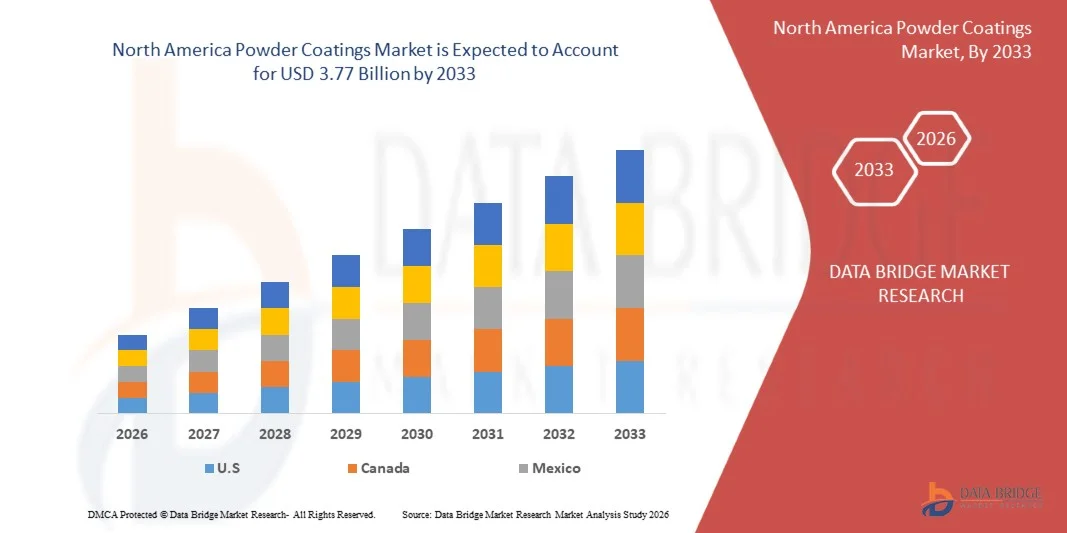
According to the latest report published by Data Bridge Market Research, the North America Powder Coatings Market The North America powder coatings market size was valued at USD 2.13 billion in 2025 and is expected to reach USD 3.77 billion by 2033, at a CAGR of 7.40% during the forecast period. North America Powder Coatings Market report offers a...