


Understanding the Process Behind Different Wart Removal Procedures

Warts are common skin growths that can appear on the hands, feet, fingers, and other parts of the body. They develop because of certain types of human papillomavirus (HPV), which can affect the outer layer of the skin. Although many warts are harmless, some may cause discomfort, spread to nearby areas, or affect a person's confidence. Understanding how different removal procedures work can help individuals make informed decisions about their skin health. Warts removal treatment in Riyadh offers an opportunity to seek professional assessment and explore suitable options for managing persistent or bothersome growths.
Why Different Wart Removal Procedures Are Available
Warts can vary in size, thickness, location, and appearance. Some are small and flat, while others have a rough surface or develop deep within the thick skin on the soles of the feet. These differences influence how a medical professional approaches treatment.
The location of a wart is especially important because skin sensitivity and healing requirements vary across the body. A procedure suitable for a wart on the hand may not be the best option for a growth near the face or around the nails. Medical history, previous treatment attempts, and the possibility of scarring are also considered before a removal method is selected.
Not every wart needs immediate treatment. Some disappear naturally over time, while others persist or recur. A professional assessment helps determine whether treatment is appropriate and which approach may offer the best balance of effectiveness, comfort, and safety.
How the Wart Removal Process Begins
Initial Skin Examination
Before recommending a procedure, a healthcare professional examines the growth and asks about its history. Questions may cover when it appeared, whether it has changed, and whether it causes pain, itching, or bleeding. Previous treatments and relevant medical conditions may also be discussed.
This assessment is important because other skin conditions, including corns, calluses, and certain moles, can resemble warts. If the diagnosis is uncertain or the growth has unusual features, further examination or testing may be needed before treatment proceeds.
Selecting an Appropriate Procedure
After assessing the growth, the professional explains the available options, expected treatment course, and possible side effects. The choice depends on the wart's location, thickness, size, and response to previous care. The patient's age, general health, skin characteristics, and preferences may also influence the decision.
Some methods gradually remove affected skin, while others use freezing or controlled clinical procedures to damage wart tissue. There is no single technique that is ideal for every wart, and more than one treatment session may be necessary.
Common Wart Removal Procedures Explained
Topical Treatments
Topical treatments are often considered for certain common and plantar warts. Products containing salicylic acid work by gradually breaking down layers of affected skin, allowing the wart tissue to be removed over time. Treatment may involve regular application for several weeks, depending on the product and the growth.
Following instructions is essential because these products can irritate healthy skin if applied incorrectly. They should not be used on facial or genital growths unless specifically advised by an appropriate healthcare professional. People with diabetes, poor circulation, reduced sensation, or weakened immunity should seek professional guidance before treating foot warts themselves.
Cryotherapy
Cryotherapy is a procedure that uses extreme cold, commonly liquid nitrogen, to damage wart tissue. The treated area may become red or form a blister as the skin responds to freezing. Over time, the affected tissue may gradually clear.
The procedure is performed by a trained professional, and several sessions may be needed depending on the wart's size and location. Temporary discomfort, blistering, pigment changes, and scarring are possible side effects. Cryotherapy may not be suitable for every patient or every skin growth, so the decision should follow an assessment.
Electrosurgery and Curettage
For selected persistent warts, a healthcare professional may consider a procedure involving electrical energy to destroy tissue, sometimes followed by removal of the affected material using a specialised instrument. These methods are generally performed in a clinical setting, with local anaesthesia used when appropriate.
Recovery depends on the size and location of the treated area. The procedure can cause soreness, bleeding, scarring, or changes in pigmentation, and recurrence remains possible. It is not necessary for every wart and is usually considered after weighing other options and the individual's circumstances.
Laser-Based Procedures
Certain laser procedures may be considered for difficult or persistent warts when other treatments have not worked or are unsuitable. Depending on the laser and clinical approach, the treatment targets tissue or blood vessels associated with the wart.
Laser treatment is not required for routine warts and may involve discomfort, wound care, pigment changes, or scarring. Suitability depends on the diagnosis, treatment location, and professional judgement. Patients should discuss expected outcomes, risks, costs, and alternatives during consultation.
What to Expect During Recovery
Recovery varies according to the method used, the location of the wart, and the body's response. Mild tenderness, redness, or blistering may occur after some procedures. Following the aftercare instructions can help protect the treated skin and support healing.
Patients should avoid picking at scabs or blisters and should keep the area clean as advised. If a procedure involves a wound, the healthcare professional will explain how to care for it and when to return for follow-up. Increasing pain, spreading redness, unusual discharge, or persistent bleeding should be assessed promptly.
Warts can sometimes return because treatment may remove the visible growth without eliminating every virus-infected cell. New warts can also develop after further exposure to HPV. Follow-up may therefore be recommended, particularly for persistent or recurring cases.
Preparing for a Wart Removal Appointment
Before the appointment, make a note of when the wart appeared, any changes you have noticed, and the treatments you have already tried. Tell the professional about allergies, medications, and conditions that may affect healing. Avoid cutting, burning, or aggressively scraping an unidentified growth at home.
People considering Warts removal treatment in Riyadh can use their consultation to ask about the proposed procedure, expected recovery time, possible side effects, and the likelihood of recurrence. Understanding these details helps set realistic expectations and supports informed decisions about treatment.
Book a Wart Assessment at Royal Clinic Saudi
If a wart is persistent, uncomfortable, or affecting your confidence, a professional assessment can help clarify the diagnosis and identify appropriate treatment options. Royal Clinic Saudi can be contacted to enquire about a consultation and learn more about available wart removal procedures. The recommended approach will depend on the examination, the location of the growth, and individual healthcare needs.
FAQs:
Which wart removal procedure is most effective?
There is no single best procedure for every wart. The choice depends on the wart's location, size, type, and response to previous treatment.
Is wart removal painful?
Some methods cause temporary discomfort, while others may involve local anaesthesia. The level of discomfort depends on the procedure and the treated area.
Can warts return after removal?
Yes. Warts may recur after treatment, and new growths can develop. Follow-up care may be recommended for persistent cases.
How long does recovery take after wart removal?
Recovery depends on the procedure and the location of the wart. A healthcare professional can explain the expected healing period and provide appropriate aftercare instructions.
Categorieën
Meer lezen
Business events continue to reflect changing workplace expectations, and food service is an important part of that experience. Companies are looking for catering that complements meeting schedules, accommodates diverse guest preferences, and creates a welcoming environment for collaboration. Corporate event catering has expanded beyond traditional buffet service, offering greater...

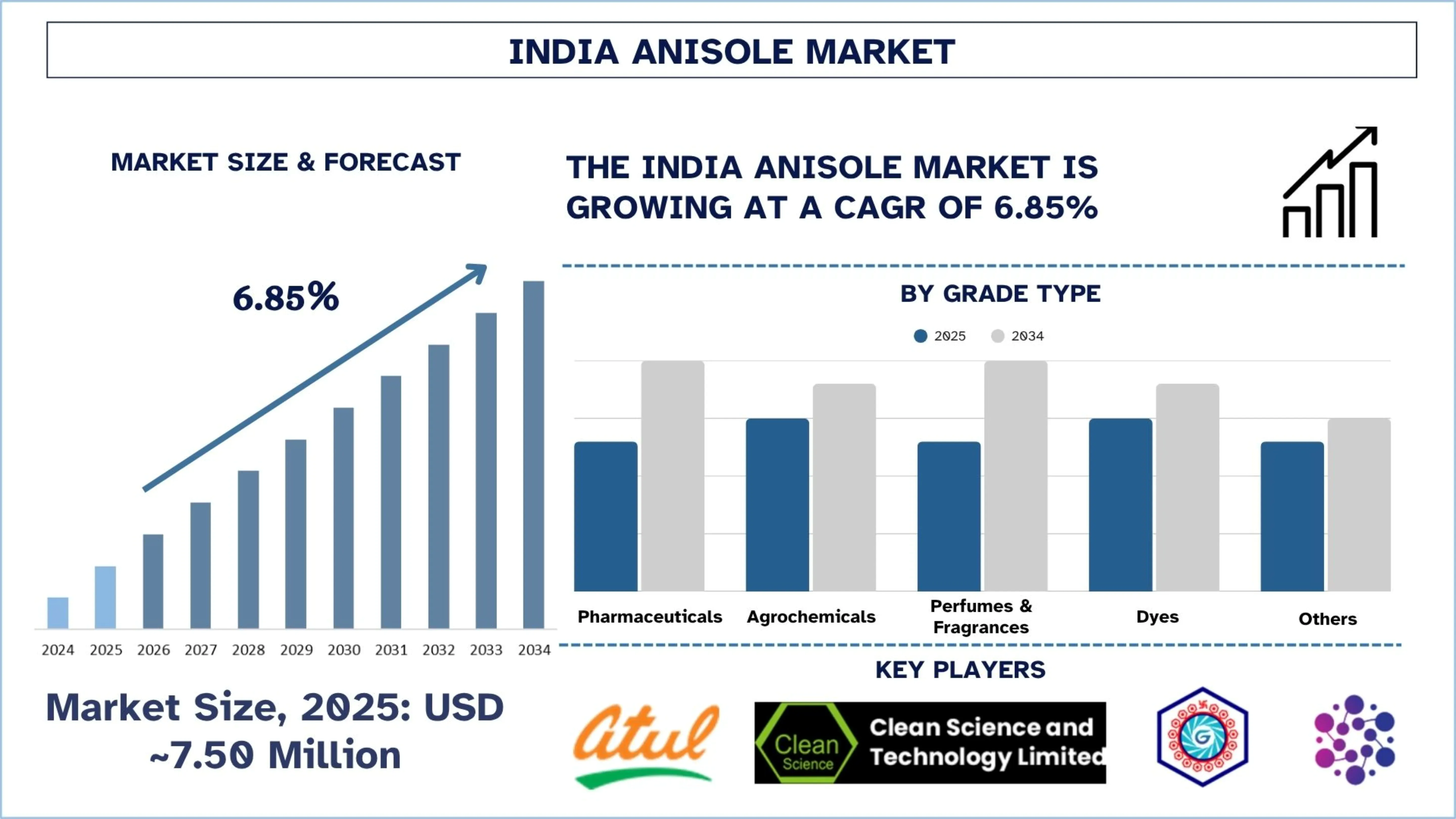
The India Anisole Market was valued at ~USD 7.50 million in 2025 and is expected to grow at a strong CAGR of around 6.85% during the forecast period (2026-2034F), In India, the anisole market is slowly becoming a strategic one in the specialty chemical arena in the country, as the need to have aromatic intermediates increases in the pharmaceutical, agrochemical, fragrances, and laboratory...
In the evolving real estate landscape, accurate land measurement plays a critical role in ensuring transparency and informed decision-making. Across India, property buyers, investors, and developers often deal with different regional units such as square feet, acres, bigha, and hectares. This variation can lead to confusion and misinterpretation if not handled properly. The need for a reliable...

Explore custom Mylar bags wholesale in California for bulk packaging, barrier protection, custom printing, and flexible pouch options. California businesses use flexible barrier packaging for products such as coffee, dry foods, snacks, herbs, and other goods that need protection during storage and transportation. Buying packaging in wholesale quantities requires attention to material thickness,...