

Resolving Structural Leaks In High-Security Data Centers
Operating a large-scale data centre involves protecting highly sensitive digital infrastructure from absolutely every physical threat imaginable. These massive, highly secure facilities house millions of dollars in advanced server racks, processing incredibly sensitive information for national banks, healthcare networks, and massive e-commerce platforms. While corporate security directors spend heavily on biometric access controls, advanced firewall protections, and redundant power grids, they sometimes underestimate the catastrophic threat posed by a simple physical water leak. In a server farm, moisture is completely intolerable. A single drop of water entering a high-voltage server rack will cause an immediate electrical short, leading to highly destructive fires, total hardware failure, and the permanent loss of irreplaceable client data.
When a structural vulnerability is detected above a live server floor, the facility faces a massive operational emergency that demands extreme precision. The standard commercial response of placing a tarp over the affected area is entirely unacceptable in a highly regulated data environment. Furthermore, bringing outside construction workers into the facility introduces severe physical security risks. The technicians required to fix the exterior envelope cannot simply walk onto the property unannounced. They must undergo strict background checks, surrender their personal mobile devices, and operate under the constant supervision of armed security personnel. Managing this complex intersection of emergency maintenance and extreme physical security requires a highly coordinated, pre-planned protocol.
Executing a successful Commercial Roofing Repair IN LOUISVILLE, KY on a data centre requires completely altering standard construction methods to protect the delicate internal environment. The massive server racks below are highly sensitive to microscopic dust particles, heavy vibrations, and strong chemical odours. Standard repair techniques that involve loud heavy machinery or the aggressive tearing of old materials can release dust directly into the facility's massive air intake systems, instantly clogging the servers' cooling fans. The selected technicians must use localized, surgically precise methods to expose the damaged membrane without generating any disruptive physical vibration or airborne debris.
The selection of patching materials is equally highly restricted within these secure environments. Data centres employ highly sensitive, incredibly expensive chemical fire suppression systems designed to instantly flood the room with inert gas at the very first sign of smoke or intense heat. If a maintenance crew attempts to use an open-flame torch or high-temperature hot-air welding equipment on the deck above, the intense heat transfer can easily trigger the fire suppression sensors below. An accidental discharge of the suppression system forces a total facility shutdown and costs tens of thousands of dollars to recharge. Therefore, contractors must exclusively use cold-applied, low-odour liquid adhesives and self-adhering membranes to resolve the leak completely without triggering any internal safety alarms.
Pinpointing the exact source of water intrusion in these massive, heavily fortified structures requires advanced, entirely non-invasive diagnostic tools. Because the interior ceilings are heavily packed with massive bundles of fibre-optic cables and complex cooling ducts, tracing a leak visually from the inside is completely impossible. Expert diagnostic teams must rely heavily on high-resolution infrared thermography and electronic impedance scanners to map the trapped moisture hidden beneath the exterior surface. This highly advanced technology allows the technicians to cut open only the exact square inch of membrane required to fix the puncture, minimizing the amount of time the building's internal layers are exposed to the outside atmosphere.
Maintaining absolute perfection in the physical building envelope is a non-negotiable requirement for data centre operations. A compromised structure represents an unacceptable liability that directly threatens the digital security of the facility's high-profile clients. By partnering exclusively with highly disciplined, security-cleared contractors who understand the extreme sensitivities of IT infrastructure, facility directors can quickly neutralize environmental threats. This highly calculated approach guarantees that the massive servers remain perfectly dry, completely cool, and totally operational at all times.
Conclusion
Protecting a high-security data centre from moisture requires completely flawless, surgically precise structural intervention. Standard maintenance practices create unacceptable risks to delicate servers and highly sensitive fire suppression systems. Utilizing background-cleared professionals, cold-applied materials, and advanced non-invasive diagnostics guarantees that severe structural leaks are resolved quickly without ever compromising the facility's digital or physical security.
Call to Action
Protect your highly sensitive IT infrastructure and valuable client data from catastrophic moisture intrusion. Partner with highly disciplined, security-conscious professionals to execute precise, completely safe structural repairs that keep your servers running without interruption.
Visit: https://louisvilleroofing.com/commercial-roofing-repair-services/
Categorias
Leia mais
Create a More Functional Bathroom An outdated bathroom can make everyday routines less comfortable and efficient. Bathroom Remodeling Ontario CA can help homeowners improve the layout, storage, fixtures, lighting, and overall design while creating a space that better fits their needs. Improve the Bathroom Layout A well-planned layout can make better use of available space. Moving or replacing a...

Automotive Water Valve maintenance is typically low, but keeping coolant clean is essential for long life. Debris, rust particles, and breakdown byproducts in old coolant can jam the valve’s moving parts. Periodically flushing the cooling system removes contaminants that could cause internal sticking or premature motor wear. Simple preventive maintenance ensures the water valve continues...

Buy Old Gmail Accounts Buy Are you exploring the digital landscape for a strategic advantage? If so, consider the potential of old Gmail accounts. They may seem like relics from a bygone era, yet they offer unique benefits that modern accounts simply can’t match. As businesses strive to build trust and credibility online, many are turning to these aged accounts as an essential tool in...

Buy LinkedIn accounts In today’s digital landscape, having a robust online presence is more crucial than ever. LinkedIn stands out as the premier platform for professionals to connect, network, and showcase their expertise. But what if you’re just starting or your current account isn’t making the impact you desire? This is where purchasing LinkedIn accounts can be a game...

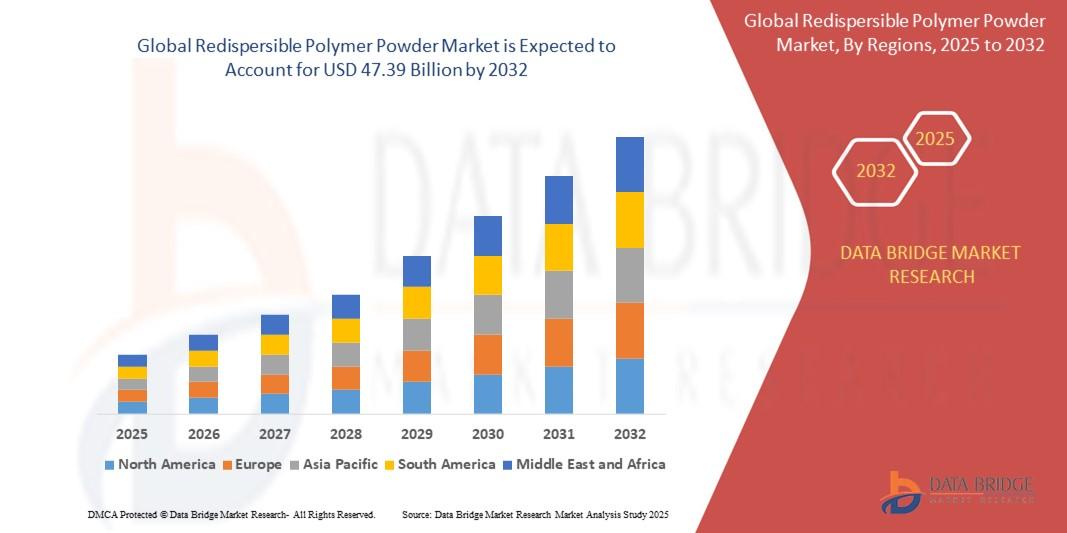
According to the latest report published by Data Bridge Market Research, the Redispersible Polymer Powder Market CAGR Value The global Redispersible Polymer Powder market size was valued at USD 31.77 billion in 2024 and is expected to reach USD 47.39 billion by 2032, at a CAGR of 5.15% during the forecast period This global Redispersible Polymer...