


How Machine Learning Is Transforming Smart Buildings and Intelligent Facility Management in 2026

Introduction
Buildings are becoming more intelligent as businesses look for ways to reduce operating costs, improve energy efficiency, strengthen security, and create better experiences for occupants. Offices, hospitals, hotels, shopping centers, and industrial facilities generate large amounts of operational data through sensors, access systems, HVAC equipment, lighting controls, and connected devices.
However, collecting data is only the first step. The real opportunity lies in using that information to predict problems, automate routine decisions, and improve building performance.
Machine learning is helping facility managers move beyond reactive maintenance and fixed operating schedules. By analyzing historical records and real-time sensor readings, intelligent systems can identify unusual patterns, anticipate equipment failures, and adapt building operations to changing conditions.
In 2026, businesses can use Machine Learning Development Services to develop customized systems that turn facility data into practical operational insights.
The Shift Toward Intelligent Buildings
Traditional building management systems typically rely on predefined rules. For example, an air conditioning system may operate according to a fixed schedule, regardless of whether a meeting room is occupied or outdoor temperatures change significantly.
Rule-based automation can handle predictable situations, but it may struggle with changing occupancy patterns, unusual equipment behavior, and competing operational requirements.
Machine learning introduces a data-driven approach. Models can learn from past building activity and use new information to make predictions or recommend adjustments.
A smart building platform may analyze:
-
Temperature and humidity readings
-
Occupancy and room utilization
-
Electricity and water consumption
-
HVAC operating conditions
-
Equipment maintenance records
-
Access control and security events
-
Indoor air quality measurements
When these data sources are integrated effectively, facility teams can gain a clearer understanding of how a building performs throughout the day.
Predictive Maintenance for Building Equipment
Heating, ventilation, air conditioning systems, elevators, pumps, and electrical equipment are essential to building operations. Unexpected failures can disrupt occupants, increase repair expenses, and affect business continuity.
Traditional maintenance often follows a fixed calendar or begins after equipment stops working. Neither approach always reflects the actual condition of a machine.
Through Machine Learning Development, businesses can build predictive maintenance models that analyze equipment readings, service histories, operating hours, and fault records.
For example, a model may learn that certain combinations of vibration, temperature, and power consumption frequently appear before a particular type of equipment failure. When similar patterns emerge, the system can alert maintenance teams to inspect the equipment.
This approach can help organizations prioritize inspections, schedule repairs more effectively, and reduce avoidable downtime. Predictions should still be validated against equipment specifications and technician assessments, particularly when failures could create safety risks.
Smarter Energy Consumption
Energy costs represent a significant operating expense for many commercial buildings. Heating, cooling, lighting, and ventilation systems may consume energy unnecessarily when schedules do not reflect actual demand.
Machine learning can analyze historical consumption, weather forecasts, occupancy levels, and equipment performance to estimate future energy requirements.
These predictions can help facility managers identify inefficient operating periods and determine where adjustments may be useful.
For example, an office building could reduce cooling in unoccupied zones while maintaining suitable conditions in active workspaces. A hotel might use occupancy forecasts to plan energy consumption without compromising guest comfort.
Customized Machine Learning Solutions can also help compare energy usage across floors, buildings, or equipment categories. Facility teams can investigate unusual consumption patterns and assess whether operational changes deliver measurable savings.
Automated adjustments should account for ventilation requirements, local regulations, equipment limitations, and occupant comfort rather than optimizing energy use in isolation.
Occupancy Forecasting and Space Optimization
Many organizations operate buildings where actual space utilization differs from planned schedules. Offices may contain underused meeting rooms, while other areas become crowded during peak periods.
Machine learning models can combine reservation data, access events, occupancy sensors, and historical usage patterns to forecast how different spaces are likely to be used.
These insights can support better decisions about room allocation, cleaning schedules, staffing, and facility planning.
For instance, a corporate campus may discover that certain meeting rooms remain underused on specific days. Management could adjust room availability or consolidate operations to reduce unnecessary heating, cooling, and cleaning.
Privacy should remain central to these applications. Occupancy analysis can often be performed using aggregated or anonymized information without identifying individual employees or visitors.
Improving Indoor Air Quality and Occupant Comfort
Building performance is not measured by energy efficiency alone. Indoor temperature, humidity, ventilation, and air quality can affect comfort and productivity.
Machine learning can analyze environmental sensor readings alongside occupancy levels and external weather conditions to identify situations where indoor conditions may deteriorate.
A system might recognize that carbon dioxide levels tend to rise rapidly in a frequently used conference room. It could notify facility staff or recommend adjusting ventilation before the problem becomes persistent.
More advanced systems can estimate demand for heating or cooling across different zones, helping building operators balance comfort with energy consumption.
These models depend on reliable sensors and appropriate operating thresholds. They should support established ventilation standards and building safety procedures rather than replace them.
Developing Custom Models for Different Facilities
Every building has different operational requirements. A hospital has stricter environmental and continuity needs than a small office, while a hotel must account for changing guest occupancy and service expectations.
Generic models may not perform consistently across these environments because equipment, building layouts, climates, and operating procedures differ.
With Custom ML Models, organizations can develop models tailored to their facility data and business objectives.
The process generally begins by selecting a measurable problem, such as predicting HVAC faults or forecasting daily energy demand. Development teams then assess data quality, identify relevant variables, and train models using representative historical records.
Pilot testing helps determine whether the model performs reliably under real operating conditions. Teams should measure prediction accuracy, false alarms, missed events, and the practical impact on maintenance or energy costs.
Models also require ongoing monitoring because equipment ages, occupancy patterns change, and building operations evolve.
Security and Anomaly Detection
Large facilities may use access control systems, connected sensors, alarms, and security monitoring platforms to manage their environments.
Machine learning can help identify unusual patterns that deserve attention. For example, a model may flag unexpected access activity, repeated equipment alarms, or sensor behavior that differs substantially from established operating patterns.
These alerts can help security and facility teams prioritize investigation instead of reviewing every event manually.
However, an unusual pattern does not automatically indicate a security incident. Legitimate changes in schedules, maintenance activity, or visitor access can also produce anomalies. Systems should therefore provide contextual information and appropriate human review before consequential actions are taken.
Integrating Building Data Into One Intelligent Platform
Smart buildings frequently contain equipment from different manufacturers and software platforms. Data may be spread across building management systems, maintenance applications, energy dashboards, and access control tools.
An intelligent facility platform needs reliable data integration before machine learning can deliver consistent results.
Predictive Analytics Services can help organizations use historical and current data to forecast maintenance needs, energy demand, equipment performance, and space utilization.
A unified dashboard can present relevant alerts, predictions, and performance indicators to facility managers. Integration with maintenance systems can also help convert selected alerts into inspection requests or work orders.
Data governance is equally important. Organizations should define access permissions, retention policies, sensor standards, and procedures for validating model outputs.
From Insights to Intelligent Facility Operations
The next stage of smart building management involves connecting predictions with controlled operational workflows.
For example, a system might forecast increased cooling demand, recommend a change to HVAC scheduling, and ask an authorized operator to approve the adjustment. In a well-tested environment, certain low-risk actions may be automated within predefined limits.
These Intelligent ML Applications can help facility teams respond faster to changing conditions while maintaining oversight of important decisions.
Successful deployment requires clear safeguards, fallback procedures, and monitoring. Critical building functions should remain reliable even if sensors, networks, or AI models become unavailable.
Conclusion
Machine learning is creating new opportunities for intelligent facility management by helping organizations predict equipment failures, optimize energy consumption, forecast occupancy, monitor indoor conditions, and identify unusual operational patterns.
The most effective implementations begin with a specific business challenge and measurable success criteria. Reliable data, appropriate model validation, strong privacy practices, and integration with existing building systems are essential to achieving lasting value.
HyprForge can help businesses explore customized machine learning systems designed around their facility requirements. As buildings become more connected, data-driven intelligence can help organizations operate spaces more efficiently, respond to problems earlier, and create safer, more comfortable environments in 2026 and beyond.
الأقسام
إقرأ المزيد
Buy Old Yahoo Accounts ⭐️)➣(⭐️)➣✅✅➤If you want to more information just contact now here(⭐️)➣(⭐️)➣✅✅➤24 Hours Reply/Contact(⭐️)➣(⭐️)➣✅✅➤Telegram:> @getpvatop(⭐️)➣(⭐️)➣✅✅➤➤Email:getpvatop@gmail.com(⭐️)➣(⭐️)➣✅✅➤ Discord Community: getpvatop⭐️%&⭐️%^⭐️%&⭐️%&⭐️%&⭐️%&⭐️%&⭐️%⭐️ https://getpvatop.com/product/buy-old-yahoo-accounts/ If you’re looking to Buy...

Men’s Underwear Market Segmentation, By Category (Regular Brief, Boxer Brief, Boxer Shorts, Trunks, and Thongs), Distribution Channel (Mass Merchant, Mono-brand Outlet, Pharmacy Store, Online Store, and Others), Fabric (Cotton, Polyester, Modal, Nylon, and Others), Price Range (USD 1-9, USD 10-19, USD 20-29, USD 30, and above), Age Group (15-25 Years, 26-35 Years, 36-45 Years, 46-55...

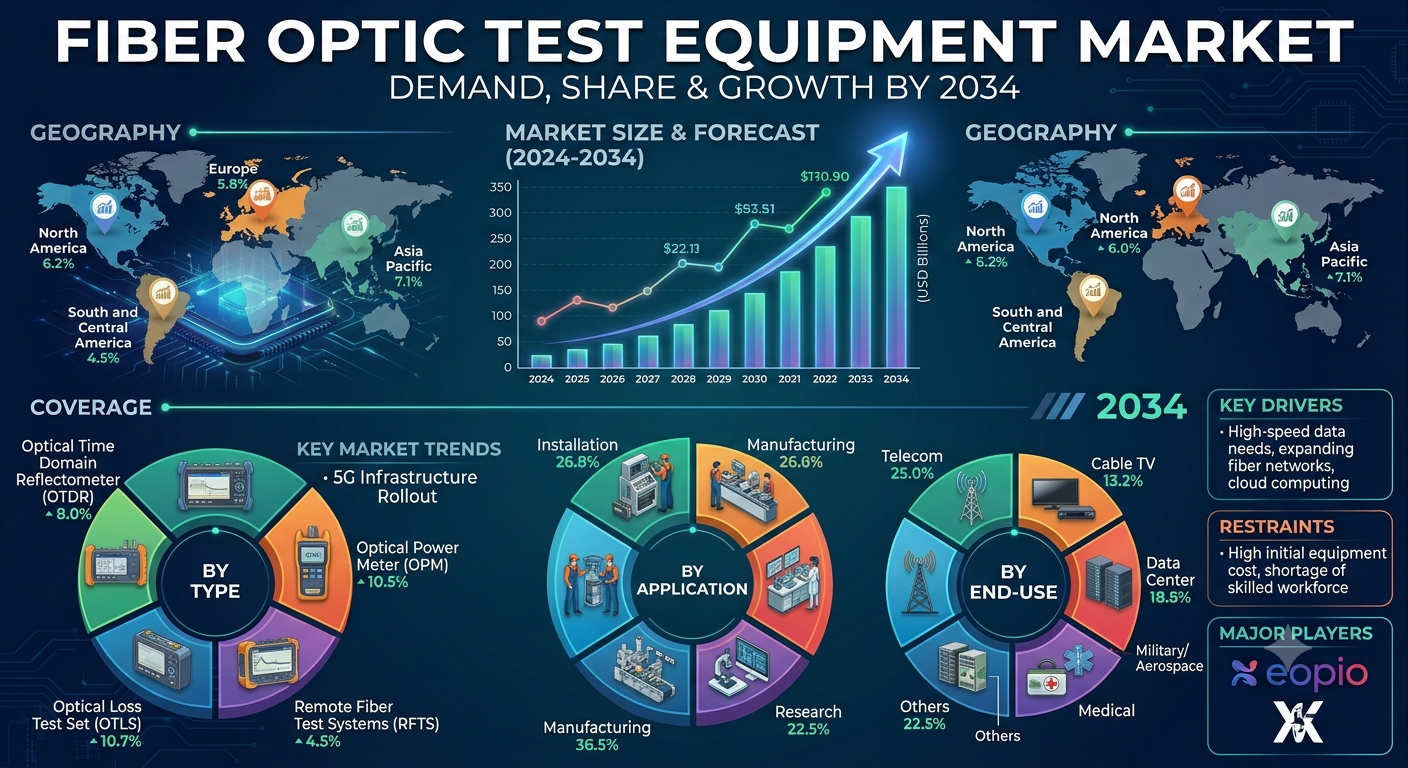
The rapid deployment of high-speed communication infrastructure is increasing the need for accurate, reliable, and portable testing solutions. Telecommunications operators, data centers, enterprises, and network installers are investing in advanced optical testing technologies to verify signal quality, identify faults, reduce downtime, and ensure the performance of increasingly complex fiber...
Buy Old Gmail Accounts: A Complete Guide to Aged Email Accounts Quick AnswerContacts➤ Telegram: @pvaprozone➤ WhatsApp:+1 (312) 451-5765➤ Email: pvaprozone@gmail.com https://pvaprozone.com/product/buy-old-gmail-accounts/ People searching for **Buy Old Gmail Accounts** are usually looking for email accounts that have existed for a longer period and may appear more established than...

According to the latest report published by Data Bridge Market Research, the PCR Based Transplant Diagnostics Market CAGR Value The global PCR based transplant diagnostics market size was valued at USD 652.31 million in 2024 and is expected to reach USD 1,079.57 million by 2032, at a CAGR of 6.50% during the forecast period The winning PCR Based Transplant...
