What Is the Difference Between Fat Removal and Fat Repositioning in Blepharoplasty?

Under-eye bags and hollows can make the face look tired, even when you are getting enough rest. While these concerns may appear similar, they can have different causes, which means the best surgical approach may also differ. In some cases, removing selected fat can improve puffiness, while in others, repositioning fat may create a smoother transition between the lower eyelids and cheeks.
Understanding this distinction is important if you are considering Eyelid Surgery in Islamabad. Both techniques can be used during blepharoplasty, but they serve different purposes and are chosen according to the patient's facial anatomy, skin condition, and desired outcome.
What Is Fat Removal in Blepharoplasty?
Fat removal is a surgical technique used to reduce prominent fat pockets around the eyelids. These pockets can contribute to the appearance of under-eye bags, particularly when the supporting tissues weaken with age or inherited facial features make the fat more noticeable.
During blepharoplasty, a surgeon carefully removes selected amounts of protruding fat to reduce fullness. The procedure may be performed on the upper or lower eyelids, depending on the patient's concerns and the treatment plan.
The primary goal of fat removal is to reduce excess fullness. However, removing too much fat can leave the area looking hollow or create an uneven contour, which is why careful assessment and conservative planning are important.
Not everyone with under-eye bags needs fat removal. A qualified surgeon must first determine whether the puffiness is caused by prominent fat, loose skin, fluid retention, or another issue.
What Is Fat Repositioning in Blepharoplasty?
Fat repositioning involves moving existing fat from one area around the eyelid to another rather than simply removing it. It is commonly considered during lower eyelid surgery when prominent fat pockets sit beside a hollow or depression beneath the eyes.
For example, a patient may have a noticeable bulge directly below the lower eyelid and a hollow area where the eyelid meets the cheek. Repositioning some of the protruding fat into the hollow can help create a smoother transition.
The aim is to redistribute volume rather than simply reduce it. This approach may be useful for selected patients who have both under-eye bags and tear-trough hollows.
Fat repositioning is not suitable for every person. The decision depends on the amount and quality of available fat, the surrounding anatomy, skin laxity, and the surgeon's assessment of what is likely to produce a balanced result.
Fat Removal vs. Fat Repositioning: What Is the Main Difference?
Although both techniques are used in blepharoplasty, they address different concerns. Fat removal reduces selected fat pockets, while fat repositioning moves existing fat to improve the contour between the lower eyelid and cheek.
A patient with prominent fat pockets but little hollowing may be considered for conservative fat removal. Someone with both under-eye bags and a noticeable hollow beneath them may be assessed for fat repositioning.
Neither technique is automatically better than the other. The appropriate choice depends on the individual's anatomy and whether the main concern is excess fullness, loss of smooth contour, or a combination of both.
In some cases, a surgeon may recommend a combination of approaches. The objective is not to remove or move as much tissue as possible, but to achieve an appropriate balance while protecting eyelid function.
Which Technique Is Better for Under-Eye Bags?
The answer depends on what is causing the bags and whether hollowing is also present. Under-eye bags can develop because of prominent fat compartments, changes in supporting tissues, skin laxity, or a combination of factors.
When excess fat is the main concern and the surrounding area has adequate volume, carefully planned fat removal may be appropriate. When a prominent bulge sits beside a hollow, repositioning may offer a more suitable way to improve the contour.
For people exploring Eyelid Surgery in Islamabad, a consultation helps distinguish these concerns. The best approach treats the underlying anatomy, rather than relying on a one-size-fits-all procedure.
It is also worth remembering that dark circles caused by pigmentation, allergies, or visible blood vessels may not improve significantly with either fat removal or repositioning.
What to Know Before Eyelid Surgery in Islamabad
Before choosing a blepharoplasty technique, patients should understand the expected outcome, possible limitations, and recovery requirements. A thorough consultation gives the surgeon an opportunity to assess the eyelids and recommend an appropriate treatment plan.
During your appointment, consider discussing:
- Your main concern: Explain whether you are bothered by puffiness, hollows, loose skin, or a combination of these features.
- The recommended technique: Ask why fat removal, fat repositioning, or a combination may suit your anatomy.
- Possible risks: Discuss bleeding, infection, asymmetry, dry eyes, contour irregularities, and the possibility of an unsatisfactory result.
- Your medical history: Mention previous eye surgery, dry eyes, allergies, medications, and other relevant health concerns.
- Recovery and follow-up: Ask about expected healing, activity restrictions, postoperative care, and when to contact the clinic.
These questions can help you make an informed decision about Eyelid Surgery in Islamabad and establish realistic expectations before surgery.
How Are the Procedures Performed?
The surgical approach depends on the eyelid being treated and the patient's individual needs. For lower eyelid blepharoplasty, the surgeon may access the fat through an incision inside the eyelid or through an incision just below the eyelashes.
An incision inside the eyelid may be considered when the main concern is fat protrusion and there is little excess skin to remove. An external incision may be more appropriate when additional skin treatment is needed, although the choice depends on several clinical factors.
Fat removal and repositioning both require precise surgical planning. During fat removal, selected tissue is excised; during repositioning, fat is mobilised and secured in a different position according to the treatment plan.
Not every patient requires the same incision or technique. The surgeon should explain the proposed method and why it is appropriate for the individual's eyelid structure.
What Is Recovery Like?
Recovery varies depending on the extent of surgery, the technique used, and individual healing. Swelling, bruising, mild discomfort, and temporary tightness around the eyes are common during the initial recovery period.
Many patients notice improvement in bruising and swelling over the first one to two weeks, but the final contour may take several weeks or longer to settle. Your surgeon will advise you when it is appropriate to return to work, exercise, and normal daily activities.
Following postoperative instructions is essential. Attend scheduled follow-up appointments, protect the healing area, and use medications or eye care products only as directed by your healthcare provider.
Severe pain, sudden changes in vision, significant bleeding, or rapidly increasing swelling require urgent medical assessment.
What Are the Possible Risks?
Both fat removal and fat repositioning carry risks because they involve delicate tissues around the eyes. Potential complications include infection, bleeding, scarring, asymmetry, prolonged swelling, dry eyes, and an uneven contour.
Removing excessive fat may create hollows or a sunken appearance. Repositioning can also result in persistent puffiness, contour irregularities, or an outcome that does not match the patient's expectations.
A careful assessment helps reduce avoidable risks, but no surgical technique is risk-free. Patients should discuss their eye health, medications, previous procedures, and expectations honestly with their surgeon before deciding on treatment.
How to Choose the Right Clinic
Choosing a clinic involves more than comparing procedure prices or looking at before-and-after photographs. It is important to understand the surgeon's qualifications, relevant experience, surgical approach, and arrangements for postoperative care.
When considering Eyelid Surgery in Islamabad, choose a provider who explains the differences between fat removal and repositioning and is willing to discuss alternatives. Be cautious of promises of guaranteed results, as healing and outcomes vary between individuals.
Good surgical planning begins with an accurate diagnosis. The right technique should be selected to suit your anatomy and protect the function of your eyelids.
Final Thoughts
Fat removal reduces selected fat pockets, while fat repositioning redistributes existing fat to improve the transition between the eyelids and cheeks. If you are considering Eyelid Surgery in Islamabad, Dynamic Clinic PK offers clinical expertise, board-certified surgeons, and advanced techniques to help patients understand suitable blepharoplasty options and make informed decisions based on their individual needs.
Meta Description
Compare fat removal and fat repositioning in blepharoplasty, including benefits, risks, and recovery with Eyelid Surgery in Islamabad.
Categorieën
Meer lezen
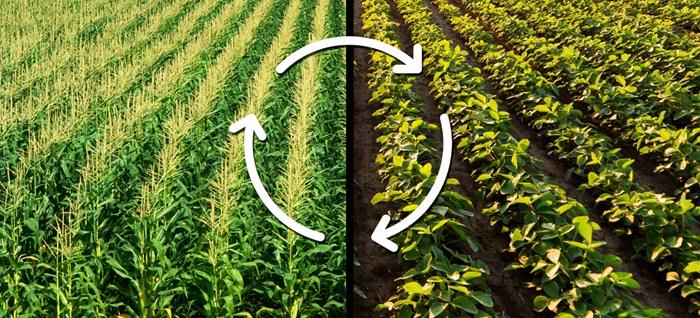
Modern agriculture requires farmers to manage many challenges at the same time. A wheat field may face serious weed competition, a vegetable crop may develop fungal disease, and cotton can experience heavy pressure from sucking pests. At the same time, farmers must maintain soil fertility and make every agricultural input count. This is why successful crop production increasingly depends on a...
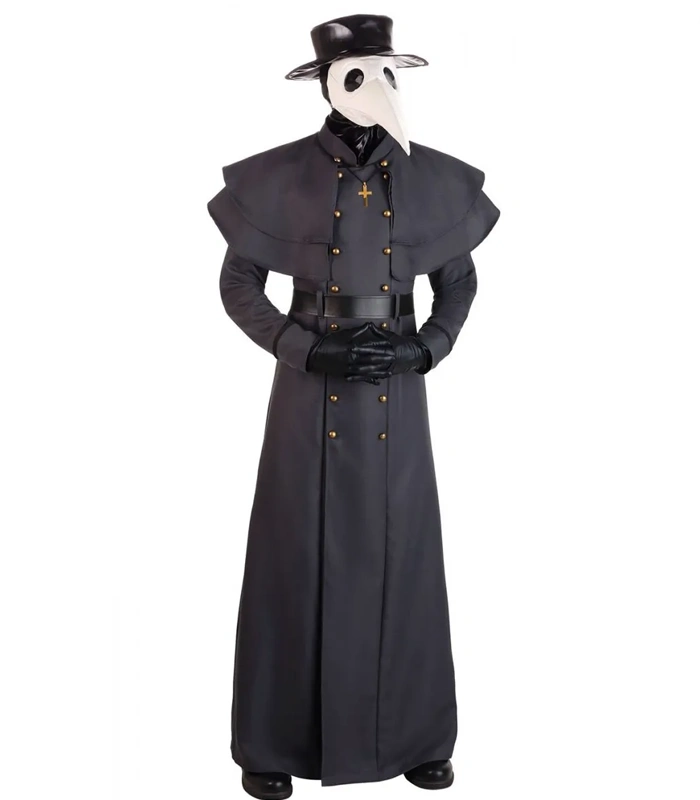
A leather jacket is one of the most useful clothing pieces you can own for Halloween. It instantly adds attitude, mystery, and character to an outfit, making it easy to build a costume without spending money on a complete set you may never wear again. Whether you want something classic, scary, trendy, or simple, a leather jacket can be the foundation for countless Halloween looks. This guide...
Buy New & Old Twitter Accounts Are you looking to expand your social media presence quickly and effectively? Buying new or old Twitter accounts might be the solution you’ve been searching for. Whether you’re a business aiming to connect with a larger audience or an individual wanting to boost your personal brand, acquiring established Twitter accounts can save you time and...

SEO Expert in Lahore: Best SEO Expert in Lahore SEO Expert in Lahore: Best SEO Expert in Lahore Find an SEO expert in Lahore to improve rankings, attract traffic, and grow your business with strategies from Ali Raza. In today's digital world, having a great website is only half the battle. If potential customers can't find your website on Google, your competitors may get the clicks, leads, and...

Designing a restaurant is very different from designing a home, office, or retail store. Every restaurant needs a space that attracts customers, supports staff efficiency, reflects the brand, and creates a memorable dining experience. A beautiful interior alone is not enough. The layout, lighting, seating, kitchen planning, and customer movement all play an important role in the success of the...