


Sensor Tags: An Informational Guide to Retail Security Tagging

Retail stores use different security technologies to reduce merchandise loss and improve inventory protection. Among these technologies, electronic tagging systems can help identify protected products and support security processes at store exits. Sensor tags are one type of retail security component used as part of electronic article surveillance and related loss prevention systems. Understanding how these tags work, where they are used, and how they fit into a wider security setup can help retailers plan their loss prevention strategy more effectively.
What Are Sensor Tags?
Sensor tags are security tags attached to merchandise to help detect protected items when they pass through compatible detection equipment. Depending on the technology, a tag may contain a specialized security element that interacts with an electronic detection system installed near a store's exit.
These tags are commonly designed for retail environments where products need an additional layer of security during customer handling and checkout. Their specific design and detection method depend on the tagging technology used by the retailer.
How Retail Security Tags Work
A typical electronic security tagging system consists of three main elements: merchandise tags, detection equipment, and a system for managing or removing tags during authorized transactions.
When protected merchandise approaches a compatible detection zone, the security element within the tag can interact with the detection system. If the tag has not been properly deactivated or removed at checkout, the system may generate an alert.
The exact process varies according to the technology and equipment installed in the store.
Common Types of Retail Security Tags
Retailers can use different types of tags depending on their merchandise and security requirements.
Hard Tags
Hard tags are reusable security devices commonly attached to clothing, accessories, and other suitable merchandise. They are typically removed at checkout using a compatible detacher.
Adhesive Labels
Security labels can be attached directly to products or packaging. They can be useful for merchandise where a conventional hard tag is not practical.
Specialty Tags
Certain products require specially designed security tags because of their size, packaging, material, or shape. Specialty solutions can be developed for particular retail categories.
Where Sensor Tags Are Used
Retail security tagging can be used across a variety of product categories.
Clothing Stores
Garments and accessories are frequently protected using reusable hard tags or other suitable security components.
Electronics Retail
Small electronic products and boxed accessories may require discreet security solutions that work with the store's existing detection system.
Department Stores
Large retailers may use different tagging formats across multiple departments, depending on the type of merchandise being protected.
Supermarkets
Certain higher-risk or easily concealed products can use security labels or other electronic protection methods.
Choosing the Right Tagging Technology
When selecting a tagging solution, retailers should first identify the type of detection technology already installed in the store. Tags and detection systems need to be compatible for the security system to operate correctly.
Other factors include merchandise type, packaging, tag visibility, reusability, attachment method, and the checkout process. A suitable tagging approach should also fit the store's normal product-handling workflow.
LP-Distributors and Loss Prevention Solutions
LP-Distributors provides products and solutions related to retail loss prevention and security tagging environments. When evaluating security tagging components, retailers can consider factors such as product compatibility, installation requirements, detection technology, and the type of merchandise being protected.
A complete loss prevention setup can involve more than individual tags. Detection systems, detachers, deactivators, security accessories, and other components may all work together as part of a retail security process.
Importance of Proper Tag Placement
The position of a security tag can influence both practicality and the customer experience. Tags should be attached according to the product type and the instructions associated with the security system.
For clothing, placement should avoid unnecessary damage to the fabric. For packaged goods, the tag should be positioned where it can remain secure without interfering with product information or normal handling.
Tag Deactivation and Removal
Authorized checkout procedures are an important part of retail tagging systems. Depending on the type of security technology, tags may either be removed from merchandise or electronically deactivated at the point of sale.
Employees should understand the correct process for the specific tagging system used by the store. Incorrect handling can result in unnecessary alarms or security tags remaining active after purchase.
Maintenance and Inventory Management
Retailers should regularly inspect security tags and related equipment for signs of damage or wear. Reusable tags that are damaged may not be suitable for continued use, while disposable labels require appropriate inventory management.
Stores can also monitor how many tags are being used and replaced over time. Keeping sufficient supplies available helps maintain consistent merchandise protection across different departments.
Benefits of a Structured Tagging System
A properly planned retail tagging system can support several operational objectives:
-
Helps protect selected merchandise
-
Supports electronic detection at store exits
-
Provides different options for different product categories
-
Can integrate with existing loss prevention equipment
-
Helps create a consistent merchandise protection process
These functions work best when tagging components are matched correctly with compatible detection equipment and store procedures.
Conclusion
Sensor tags are an important component of electronic retail security systems, helping stores protect selected merchandise through compatible detection technology. Different tag formats, including hard tags, adhesive labels, and specialty solutions, can be used according to the product and retail environment.
For retailers planning a loss prevention setup, compatibility, tag placement, checkout procedures, maintenance, and detection technology are important considerations. Understanding how individual tagging components work within a wider security system can help businesses develop a more organized approach to merchandise protection.
Categorias
Leia mais
تتطور أساليب العناية بالبشرة والطب التجميلي باستمرار لتلبية تطلعات الأفراد الراغبين في الحصول على بشرة مشرقة، خالية من التصبغات ومفعمة بالحيوية. ولأن المشاكل الجلدية غالباً ما تكون متداخلة بين التصبغات، فقدان المرونة، وجفاف البشرة، يسعى الكثيرون لمعرفة ما إذا كان من الممكن دمج الجلوتاثيون مع تقنيات تجميلية أخرى للوصول إلى نتائج أسرع وأكثر شمولاً. والإجابة العلمية المباشرة هي نعم، يمكن دمج هذا...

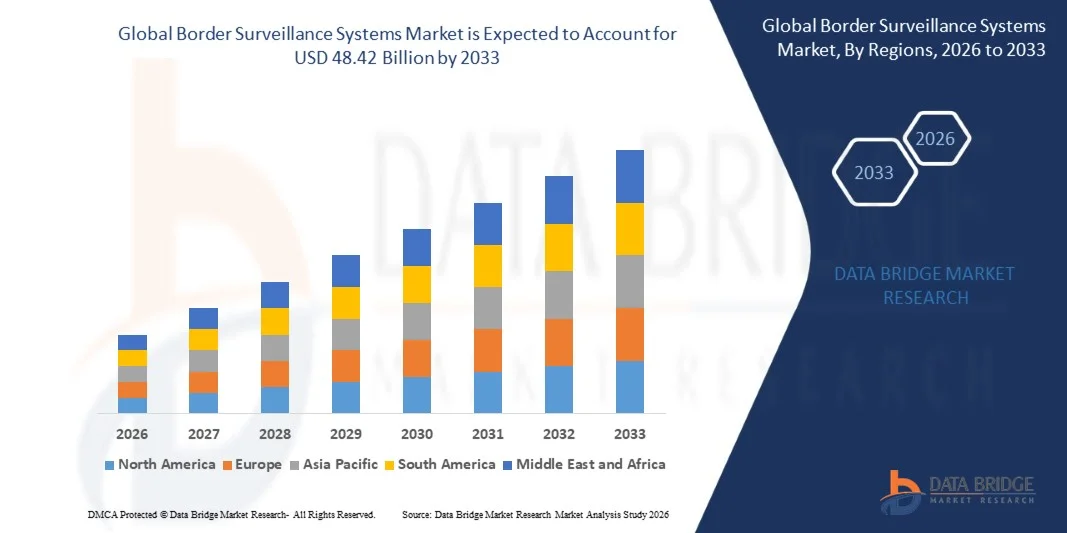
According to the latest report published by Data Bridge Market Research, the Border Surveillance Systems Market CAGR Value As per Data Bridge Market Research analysis, the border surveillance systems market was valued at USD 25.40 billion in 2025 and is projected to reach USD 48.42 billion by 2033, growing at a CAGR of 8.4% from 2026 to 2033. Border Surveillance Systems...
Field Notes · Materials & Craft The Feel of Real Materials: A Week With the tangma2088 Collection By the tangma2088 editorial team · September 1, 2026 · ~9 min read This is a hands-on report on seven pieces from the tangma2088 and qiqiyg collections — a suede weekender, two leather sneakers, two canvas shoulder bags, a cap-toe oxford and a winter parka. No studio...

Buy Old Gmail Accounts Buy Are you exploring the digital landscape for a strategic advantage? If so, consider the potential of old Gmail accounts. They may seem like relics from a bygone era, yet they offer unique benefits that modern accounts simply can’t match. As businesses strive to build trust and credibility online, many are turning to these aged accounts as an essential tool in...

Hello, I am Maryam ❤️ I am such a sweet, charming, and friendly maiden who likes to go out and meet new people. I always try to make my personality understandable for others and build relationships based on respect, privacy, and a good intimate connection between two people who decide to spend time together. This Escort In Dubai profile is created for you to get to know me in order to set up a...

