


AI Risk Management for Enterprises: Building Proactive Frameworks for Responsible AI Deployment
Artificial intelligence is moving from experimental projects into core business operations. Enterprises now use AI to support customer service, analyze data, automate decisions, detect fraud, and improve internal workflows. That wider adoption also creates new forms of operational, security, compliance, and reputational risk. A strong AI Risk Management framework helps organizations identify these risks early, establish clear controls, and deploy AI systems with greater confidence.
The challenge is not simply finding risks after an AI system goes live. By then, a flawed model may already have affected customers, employees, finances, or business decisions. Enterprise teams need a proactive approach that considers risk during planning, development, testing, deployment, and ongoing monitoring.
Why AI Risk Management Matters for Enterprises
Traditional technology risk models do not always capture the behavior of modern AI systems. Machine learning models can change as data changes. Generative AI can produce inaccurate information. Automated decision systems can introduce bias or make recommendations that are difficult to explain.
The consequences can extend beyond technical performance. An unreliable AI application may create regulatory problems, expose confidential information, or damage customer trust.
Common enterprise AI risks include:
-
Inaccurate or unreliable outputs
-
Bias in automated decisions
-
Data privacy and security concerns
-
Intellectual property exposure
-
Model drift and performance degradation
-
Lack of transparency
-
Regulatory non-compliance
-
Weak human oversight
-
Cybersecurity vulnerabilities
-
Poor accountability across teams
A proactive framework gives businesses a structured way to address these concerns before they become costly incidents.
Build Risk Controls Before Deployment
One of the strongest practices is to introduce risk assessment early in the AI lifecycle. Teams should not wait until an application reaches production before asking whether it is safe or compliant.
An initial assessment should examine the purpose of the AI system, the type of data involved, expected users, possible outcomes, and the consequences of failure. High-impact applications require more extensive testing and stronger oversight than low-risk internal tools.
A useful assessment can ask:
-
What business decision or process will the AI influence?
-
What information will the system process?
-
Who could be affected by its output?
-
What happens if the model produces an incorrect result?
-
Can a human review or override important decisions?
-
How will performance and risk be monitored after deployment?
These questions create a practical foundation for enterprise AI oversight.
Establish Clear AI Governance Structures
Technology teams should not be left alone to determine acceptable AI risk. Business leaders, legal teams, security specialists, compliance professionals, and data experts can all have important roles.
This is where AI Governance Consulting Services can help organizations design responsibilities, approval workflows, policies, and monitoring mechanisms around AI adoption.
Effective governance does not have to create excessive bureaucracy. The goal is to make accountability clear. Teams should know who approves an AI system, who owns the model, who monitors performance, and who responds when something goes wrong.
A governance structure may include:
-
AI risk owners
-
Model review committees
-
Data protection specialists
-
Security teams
-
Legal and compliance representatives
-
Business process owners
-
Technical model developers
The right structure depends on the size, industry, and risk profile of the organization.
Use Risk Classification to Prioritize Resources
Not every AI application presents the same level of risk. An internal tool that summarizes meeting notes is different from an AI system that evaluates loan applications or influences hiring decisions.
Organizations can classify AI systems according to potential impact. Low-risk systems may require basic documentation and monitoring. Higher-risk applications can require formal validation, human review, stronger security controls, and regular audits.
This risk-based approach helps companies spend resources where they matter most. It also prevents governance programs from becoming so complicated that employees avoid using them.
Responsible AI Requires Continuous Oversight
Responsible deployment does not end when a model passes its initial testing. AI systems operate in changing environments. New data, users, business processes, and external conditions can affect performance.
Responsible AI Services can support organizations in establishing processes for fairness testing, explainability, transparency, human oversight, and ongoing model evaluation.
Monitoring should track more than accuracy. Depending on the application, teams may need to examine:
-
Error rates
-
Bias indicators
-
Unexpected outputs
-
User complaints
-
Security incidents
-
Model drift
-
Data quality
-
Changes in usage patterns
Regular reviews can reveal problems that were not visible during development.
Connect AI Risk With Compliance
AI systems often intersect with existing privacy, cybersecurity, consumer protection, and industry-specific requirements. Organizations therefore need compliance processes that are connected to their technology lifecycle.
AI Compliance Solutions can help enterprises map regulatory obligations to practical controls. Documentation, access management, audit trails, data governance, testing records, and approval procedures can make compliance easier to demonstrate.
Compliance should not be treated as paperwork added after development. It works better when requirements are incorporated into design and deployment processes from the beginning.
Manage Data and Model Security
Data is one of the most important components of an AI system. Poor-quality or unauthorized data can create technical and legal problems at the same time.
Enterprises should establish rules for data collection, storage, access, retention, and usage. Sensitive information should receive appropriate protection, while teams should understand what information can safely be entered into external AI tools.
Model security also deserves attention. Threats can include prompt injection, data poisoning, unauthorized access, model manipulation, and information leakage.
A strong risk program therefore connects AI governance with existing cybersecurity and data protection practices.
Bring Ethics Into Technical Decisions
Ethical considerations become particularly important when AI affects people directly. An organization may have a technically accurate model that still produces unfair outcomes for certain groups.
Ethical AI Consulting can help organizations examine issues such as fairness, transparency, accountability, explainability, and human control. Ethical review should be practical and connected to the actual use case rather than treated as a separate theoretical exercise.
For example, if an AI system makes recommendations that affect employees, the organization should consider whether workers understand how those recommendations are generated and whether meaningful human review is available.
Create an AI Incident Response Process
Even well-tested systems can fail. Enterprises should prepare for that possibility instead of assuming prevention will be perfect.
An AI incident response plan should define what qualifies as an incident, who receives the alert, how the system is contained, and how the organization investigates the cause.
A useful response process can include:
-
Detection and reporting
-
Initial risk assessment
-
System containment
-
Human review
-
Root-cause analysis
-
Corrective action
-
Documentation
-
Stakeholder communication
-
Post-incident evaluation
The lessons from each incident can then be used to improve future AI deployments.
Why Enterprise Expertise Matters
Building an effective AI risk program requires more than understanding algorithms. Organizations need to connect technology decisions with business objectives, security requirements, regulatory expectations, and customer impact.
For companies already working with complex digital systems, experience across multiple technology domains can also be valuable. For example, an enterprise exploring AI alongside blockchain may benefit from working with a Blockchain Development Company that understands how emerging technologies affect security, data ownership, and governance requirements.
The strongest programs remain practical. Policies should be understandable. Controls should be measurable. Employees should know what is expected of them.
A Practical Roadmap for Responsible AI Deployment
Enterprises can begin with a structured five-step approach:
1. Inventory AI systems
Create a central record of AI applications, models, vendors, data sources, and business owners.
2. Classify risk
Evaluate each system based on its potential impact, sensitivity, and level of automation.
3. Define controls
Establish requirements for testing, documentation, security, privacy, human oversight, and approval.
4. Monitor continuously
Track performance, incidents, model changes, user feedback, and emerging risks.
5. Improve the framework
Review incidents and new regulations regularly, then update policies and controls accordingly.
This approach makes governance an ongoing business capability rather than a one-time compliance project.
The Role of AI Governance Consulting
A mature AI program needs clear policies and repeatable processes. AI Governance Consulting can help enterprises assess their current practices, identify gaps, define accountability, and develop governance models suited to their technology environment.
The objective should not be to slow innovation. Good governance gives teams a clearer path to experiment, test, approve, and scale AI responsibly.
Enterprises that combine innovation with strong controls are better positioned to gain long-term value from AI while reducing avoidable risk. HyprForge supports organizations looking to build and scale modern technology capabilities through practical, business-focused approaches. To learn more about its technology expertise and solutions, visit HyprForge .
Frequently Asked Questions
1. What is AI risk management in an enterprise?
AI risk management is the process of identifying, assessing, controlling, and monitoring risks associated with artificial intelligence systems throughout their lifecycle.
2. Why should enterprises assess AI risks before deployment?
Pre-deployment assessment helps identify issues involving privacy, security, bias, reliability, compliance, and operational impact before an AI system affects real users or business decisions.
3. How can companies reduce risks from AI-generated content?
Companies can use human review, output validation, access controls, approved data sources, usage policies, monitoring, and clear escalation procedures to reduce risks from inaccurate or harmful AI-generated content.
4. What is the role of human oversight in AI governance?
Human oversight provides a way to review important AI decisions, challenge questionable outputs, intervene when necessary, and maintain accountability for high-impact applications.
5. How often should an enterprise review its AI risk framework?
AI risk frameworks should be reviewed regularly and whenever significant changes occur, such as new regulations, major model updates, new use cases, security incidents, or changes in business processes.
Categorieën
Meer lezen
Buy Yahoo Accounts from getpvasmm.com In today’s digital age, having an online presence is more crucial than ever. Yahoo accounts are a gateway to numerous services, from email communication to news and social networking. But managing just one account can be limiting, especially for professionals or businesses that require multiple profiles. This is where the option to buy Yahoo accounts...

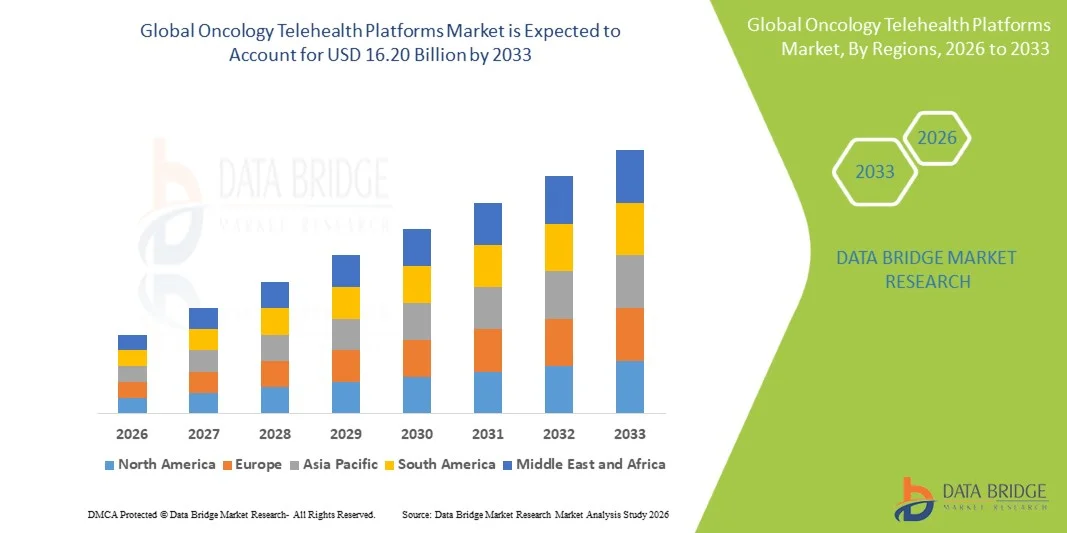
According to the latest report published by Data Bridge Market Research, the Oncology Telehealth Platforms Market CAGR Value · The global Oncology Telehealth Platforms Market size was valued at USD 5.49 billion in 2025 and is expected to reach USD 16.20 billion by 2033, at a CAGR of 14.5% during the forecast period The data,...
BAPE JAPANは、世界で最も愛されているストリートウェアブランドの一つです。このブランドは東京で誕生し、大胆なプリント、鮮やかな色使い、そして高い品質を兼ね備えたグローバルなシンボルへと成長しました。ストリートウェアが好きな方なら、パーカーやジャケット、スニーカーに描かれたエイプのロゴを一度は目にしたことがあるはずです。この記事では、BAPE JAPANの魅力、購入する価値のあるアイテム、そして本当の価値を得るための賢い買い方について解説します。 Bape Japanがストリートウェアファンに選ばれる理由 Bape...

Bedroom windows play an important role in the comfort, privacy, and appearance of a home. The right window treatment can soften natural light, create a relaxing atmosphere, and complement the overall interior design. For homeowners who want to enjoy daylight without completely exposing their bedroom to direct sunlight, Sheer Curtains for Bedroom Windows in Milton can provide an elegant...

Looking for the next Sticker Boom in Monopoly GO? No new start time has been publicly confirmed as of September 21, 2026. The latest tracked window ran from September 19 into September 20, so the best place to watch is the in-game event area and official updates. I also check nearby activity such as the Monopoly Go Partners Event before deciding when to claim sticker rewards.When Is the Next...

