


How Many Calories Does HIIT Burn? A Practical Guide to HIIT Calories Burned

If you want a short workout that combines cardio and strength movements, high-intensity interval training (HIIT) can be a practical option. But one question usually comes up before starting: how many calories does HIIT burn?
The answer depends on more than the length of your workout.
Your body weight, exercise selection, work-to-rest ratio, workout intensity, fitness level, and total active time all affect energy expenditure. This is why two people can complete the same HIIT workout and record different calorie totals.
There is also no universal number for HIIT calories burned. Research uses different HIIT protocols, exercise durations, intensities, and participants, making a single calorie estimate unrealistic. The 2024 Adult Compendium of Physical Activities lists more than 1,100 activities with standardized energy-cost values, showing how much energy expenditure can vary between activities and intensity levels.
What Does HIIT Mean?
HIIT stands for high-intensity interval training. It involves repeated periods of harder exercise followed by recovery periods.
A session might include:
-
30 seconds of high knees
-
30 seconds of recovery
-
30 seconds of squats
-
30 seconds of recovery
-
30 seconds of mountain climbers
-
30 seconds of recovery
The exact structure can change depending on the workout.
The important part is the change between higher-intensity work and recovery. HIIT can use bodyweight exercises, running, cycling, rowing, resistance exercises, or a combination of movements.
The intensity also matters. The 2024 Adult Compendium classifies vigorous physical activity as 6 METs or higher. METs are a standardized way of describing the energy cost of physical activity compared with resting metabolism.
How Many Calories Can You Burn During HIIT?
There is no accurate number that applies to every person.
For context, Harvard Health's 30-minute activity estimates show that vigorous calisthenics can use about 240 calories for a 125-pound person, 306 calories for a 155-pound person, and 336 calories for a 185-pound person. These figures are for vigorous calisthenics rather than every possible HIIT workout, so they should be treated as a reference rather than a guaranteed HIIT calories burned result.
Your actual calorie expenditure may be lower or higher.
For example, a HIIT workout with long recovery periods may have a lower average intensity than a session with shorter recovery periods. Similarly, a workout based around demanding full-body movements can have a different energy cost from a low-impact interval workout.
Why Body Weight Matters
Body weight is one factor that affects energy expenditure.
Moving a heavier body generally requires more energy than moving a lighter body during the same activity. This is why calorie calculators usually ask for body weight before estimating calories burned during exercise.
However, body weight alone does not determine HIIT calories burned.
Two people with the same weight can have different calorie expenditure because their exercise intensity, conditioning, movement efficiency, and workout structure may differ.
HIIT Calories Burned in 10, 20 and 30 Minutes
Workout duration provides another useful way to understand calorie expenditure.
A 10-minute HIIT workout generally has less total energy expenditure than a 30-minute session when the intensity and other conditions are similar. But you should not simply multiply a 10-minute calorie estimate by three and assume that every 30-minute workout will produce exactly three times the result.
HIIT sessions include recovery periods, warm-ups, cool-downs, and changes in intensity.
A practical structure might look like this:
| Workout | Example structure |
|---|---|
| 10 minutes | Short intervals with regular recovery |
| 20 minutes | Multiple work and recovery rounds |
| 30 minutes | Longer session with warm-up, intervals and cool-down |
The total HIIT calories burned will depend on how much of that time is spent working at a vigorous intensity.
Which HIIT Exercises Burn the Most Calories?
There is no single HIIT exercise that burns the most calories for everyone.
Exercises involving several large muscle groups and continuous movement can create a high energy demand. Examples include:
-
Burpees
-
Mountain climbers
-
High knees
-
Jump squats
-
Jumping jacks
-
Fast bodyweight squats
-
Running intervals
-
Cycling intervals
-
Rowing intervals
However, exercise selection should match your fitness level.
A difficult exercise performed with poor technique is not necessarily better than a simpler movement performed correctly at an appropriate intensity.
For example, someone who cannot safely perform repeated jump squats may get more useful training from controlled squats or another lower-impact movement.
Does HIIT Burn More Calories Than Regular Cardio?
It depends on what you compare.
"Cardio" covers many different activities, from walking and cycling to running and rowing. The intensity and duration can vary substantially.
Harvard Health's activity estimates demonstrate this difference. For a 155-pound person, 30 minutes of running at 5 mph is estimated at about 288 calories, while vigorous calisthenics is listed at about 306 calories. Fast rope jumping is listed at about 421 calories for the same body weight and duration.
These numbers show why it is difficult to say that HIIT automatically burns more calories than every form of cardio.
A better comparison considers:
-
Exercise intensity
-
Workout duration
-
Body weight
-
Recovery time
-
Total active time
-
Type of movement
HIIT may allow you to perform vigorous work in a shorter workout, but that does not mean every HIIT session produces a higher total calorie expenditure than a longer continuous workout.
What Happens to Your Calorie Burn After HIIT?
Another reason people search for HIIT calories burned is the "afterburn" effect, technically known as excess post-exercise oxygen consumption, or EPOC.
After exercise, oxygen consumption and energy expenditure can remain elevated while the body returns toward its resting state.
A systematic review of 22 studies found that EPOC was generally greater following high-intensity interval exercise than moderate-intensity continuous exercise in the studies that met the researchers' criteria. However, the researchers also noted differences in study methods and called for more standardized approaches to determine the duration and size of the effect.
This does not mean that a HIIT workout gives you hundreds of extra calories after you stop exercising.
The post-workout calorie expenditure is only one part of your overall energy use.
One study comparing HIIT with continuous endurance exercise also found similar total 24-hour energy expenditure despite the HIIT protocol requiring less exercise time.
Can HIIT Help With Weight Loss?
HIIT can contribute to weight management because exercise increases the amount of energy your body uses.
The CDC explains that physical activity increases calories used for energy and that combining physical activity with an appropriate reduction in calorie intake can create the calorie deficit required for weight loss. The CDC also notes that regular physical activity is important for maintaining weight loss.
This means your overall results are not determined by one workout.
Your diet, daily activity, sleep, exercise consistency, and total energy intake all matter.
You also do not need to chase the highest possible calorie number every time you exercise.
How Often Should You Do HIIT?
HIIT should fit into your overall weekly activity rather than being treated as the only type of exercise you need.
The CDC recommends that adults get at least 150 minutes of moderate-intensity aerobic activity or 75 minutes of vigorous-intensity aerobic activity each week, plus muscle-strengthening activity on at least two days.
You can reach these activity levels through different combinations of exercise.
For example, your weekly routine could include:
-
HIIT sessions
-
Strength training
-
Brisk walking
-
Running
-
Cycling
-
Other activities you enjoy
The best routine is one that allows you to stay active consistently while giving your body enough time to recover.
How to Increase HIIT Calories Burned Safely
If your goal is to increase energy expenditure during your workouts, focus on training quality instead of simply making every workout longer.
You can gradually increase the challenge by:
-
Adding another interval
-
Increasing work time
-
Reducing unnecessary recovery time
-
Choosing more demanding exercises
-
Increasing movement speed while maintaining proper technique
-
Combining cardio and resistance exercises
Progress should be gradual.
You should also avoid turning every workout into an all-out session. HIIT is high-intensity by design, so recovery is an important part of a sustainable training routine.
If you are new to vigorous exercise or have a chronic health condition, the CDC recommends discussing appropriate activity levels with a healthcare professional before starting vigorous-intensity exercise.
Are Fitness Trackers Accurate for HIIT Calories?
Fitness watches can provide useful estimates, but the calorie number on your screen should not be treated as an exact measurement.
HIIT makes calorie estimation particularly difficult because your heart rate and exercise intensity can change repeatedly during the same session.
A tracker may use information such as:
-
Heart rate
-
Body weight
-
Age
-
Movement
-
Workout duration
-
Activity type
The result is still an estimate.
Instead of becoming focused on whether your watch says 250 or 300 calories, look at your overall training consistency and progress over time.
The Bottom Line
HIIT calories burned can vary significantly from one person and workout to another.
A 30-minute vigorous calisthenics session, for example, may use roughly 240 to 336 calories across the body weights shown by Harvard Health, but that does not represent every HIIT workout. Exercise intensity, body weight, workout structure, recovery periods, and exercise selection all affect the final number.
HIIT can be useful when you want to include vigorous exercise in a time-efficient workout. It can also improve cardiorespiratory fitness, and research supports HIIT as a legitimate form of structured exercise rather than simply a calorie-burning method.
The key is to look beyond the calorie counter.
Choose exercises you can perform correctly, use an intensity appropriate for your fitness level, allow adequate recovery, and build a weekly routine that you can maintain.
Ready to Try HIIT?
If you want a structured workout instead of planning every interval yourself, Brookswood Bootcamp offers women's group fitness sessions that combine high-intensity cardio, strength, and endurance exercises.
Book a session with Brookswood Bootcamp and start building HIIT into a consistent weekly fitness routine.
Categories
Read More
A fresh coat of paint can change the way your home looks and feels. Paint can brighten a room, cover old marks, protect surfaces, and give your space a cleaner finish. Homeowners searching for painting kingwood often want a trusted team that can improve their home with careful prep work and smooth results. Houston Custom Carpets provides home improvement and painting services for...

Connect With Our Team Ready to accelerate your download growth and dominate the app charts? Contact us anytime for a rapid response, secure fulfillment, and professional service: 5 Feel free to contact us — fast reply guaranteed. ⚡ Fast Response: Get a reply within 24 hours. ⭐Gmail :Smmpvaio@Gmail.com 📱 WhatsApp: https://wa.me/+447916688316 ✈️ Telegram:...

Group transportation has changed considerably as travelers increasingly look for comfort, convenience, and a better overall journey. In the past, arranging transport for a large group often meant choosing a vehicle based mainly on passenger capacity. Today, the experience inside the vehicle matters just as much as reaching the destination. This shift has contributed to the growing popularity...

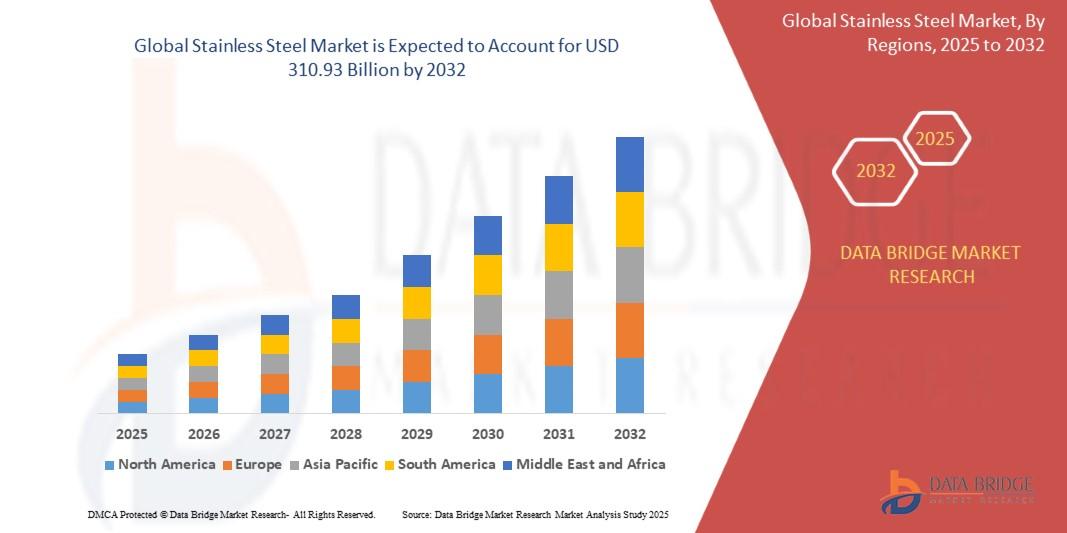
According to the latest report published by Data Bridge Market Research, the Stainless Steel Market CAGR Value During the forecast period of 2025 to 2032 the market is likely to grow at a CAGR of 4.94%, primarily driven by the rising industrialization and infrastructure expansion A number of aspects that are kept into view while creating an outstanding Stainless...
The Importance of Quick Running Between the Wickets in Women’s Cricket A boundary may look spectacular, but many cricket matches are shaped by the runs that never reach the rope. A quick single, a sharp second run or an aggressive turn at the crease can quietly change the momentum of an innings.In women's cricket, running between the wickets has become an increasingly important part of...