


AR / VR App Development: Building Immersive Digital Experiences for Modern Businesses

Augmented Reality (AR) and Virtual Reality (VR) have changed how people interact with digital products. Instead of relying only on screens, businesses can now create experiences that place digital information, objects, and environments into a user's surroundings. From virtual product demonstrations to immersive training environments, AR and VR are becoming practical technologies across multiple industries.
AR / VR App Development helps businesses turn these technologies into useful applications for customers, employees, and internal teams. At the same time, working with an experienced AR/VR Development Company can help organizations plan, design, build, test, and maintain applications that deliver a consistent experience across supported devices.
What Is AR / VR App Development?
AR / VR App Development involves creating applications that use augmented or virtual reality technologies to provide interactive digital experiences.
AR adds digital elements to the user's physical environment. For example, a furniture application can allow customers to see how a sofa or table might look inside their room before making a purchase.
VR takes users into a computer-generated environment. Using compatible headsets, users can explore virtual stores, training facilities, simulations, games, or three-dimensional environments.
Although AR and VR work differently, both technologies focus on making digital interaction more immersive. Developers typically combine 3D models, spatial tracking, user-interface design, device sensors, and specialized development frameworks to create these experiences.
Why Businesses Are Investing in AR and VR Applications
Businesses are increasingly exploring AR and VR because customers expect more interactive and convenient digital experiences. Traditional websites and mobile applications remain important, but immersive technologies can provide additional ways to demonstrate products, explain complex concepts, and engage users.
For example, retailers can use AR to help customers visualize products in their homes. Manufacturers can use VR simulations for employee training without requiring access to physical equipment. Real estate companies can create virtual property tours, allowing potential buyers to explore spaces remotely.
The value of AR and VR depends heavily on the use case. A well-planned application should solve a specific business or customer problem rather than using immersive technology simply because it is available.
Key Features of AR / VR Applications
A successful AR or VR application can include several features depending on its purpose and target users.
3D Visualization
Three-dimensional models can help users understand products, environments, machines, and other complex objects. Interactive 3D visualization can make information easier to explore than static images.
Real-Time Interaction
AR and VR applications can respond to user movements, gestures, touch inputs, or controller actions. Real-time interaction creates a more natural experience and can increase user engagement.
Spatial Tracking
AR applications often need to understand surfaces, movement, position, and surrounding spaces. Accurate tracking helps digital objects appear more naturally within the user's environment.
Virtual Environments
VR applications can create complete digital environments for training, education, entertainment, simulations, and collaboration.
Cross-Device Compatibility
Businesses may want their applications to work across smartphones, tablets, AR glasses, or VR headsets. Developers need to consider device capabilities, operating systems, screen sizes, processing power, and input methods during development.
Industries Using AR and VR Development
AR and VR are no longer limited to gaming. Organizations across different sectors are experimenting with immersive applications to improve customer experiences and operational processes.
Retail and E-commerce
AR can allow shoppers to preview products before purchasing. Clothing brands can explore virtual try-on experiences, while furniture companies can let customers visualize products within their homes.
Healthcare
VR can support medical education, simulations, rehabilitation programs, and other controlled experiences. AR can also assist with visualizing information during certain professional workflows.
Real Estate
Virtual property tours can allow users to explore homes, offices, and commercial properties without physically visiting every location. This can be especially useful when properties are located in different cities or countries.
Education and Training
AR and VR can create interactive learning environments. Students can explore three-dimensional subjects, while organizations can provide simulated training for employees in controlled virtual settings.
Manufacturing
Manufacturers can use immersive applications for equipment visualization, maintenance training, product design, and workplace simulations. These applications can help teams understand complex processes before working with physical machinery.
Travel and Hospitality
Hotels, resorts, museums, and tourism businesses can use AR and VR to provide virtual tours and interactive experiences. These applications can give potential visitors a better understanding of a destination or property before they make a decision.
The Role of an AR/VR Development Company
Developing an immersive application requires more than creating attractive 3D graphics. An experienced AR/VR Development Company can support the complete development process, from initial planning through deployment and ongoing improvements.
The process generally starts with understanding the business objective and intended users. Developers and designers then determine whether AR, VR, or a combination of technologies is appropriate for the project.
After defining the requirements, the team creates the application architecture, user experience, 3D assets, and interaction model. Development follows with integration of the required frameworks, sensors, APIs, databases, and device capabilities.
Testing is particularly important because immersive applications need to perform smoothly while responding to user movement and interaction. Performance issues, tracking errors, uncomfortable navigation, or poorly designed interfaces can negatively affect the overall experience.
AR / VR Development Process
A structured development process can help reduce technical problems and keep the project aligned with business objectives.
|
Development Stage |
Key Activities |
|
Discovery |
Define goals, audience, features, and technology requirements |
|
UX/UI Design |
Create interfaces, navigation, interactions, and user journeys |
|
3D Development |
Build or optimize models, environments, and visual assets |
|
Application Development |
Implement core functionality and platform integrations |
|
Testing |
Check performance, usability, compatibility, and tracking |
|
Deployment |
Release the application on selected platforms and devices |
|
Maintenance |
Fix issues, improve performance, and introduce new features |
This process may vary depending on whether the application is designed for consumers, employees, industrial environments, education, or entertainment.
Benefits of Professional AR / VR App Development
Working with an experienced development team can provide several practical benefits.
Better user experience: Developers can design interactions around how users naturally move, look, and interact with digital environments.
Improved performance: AR and VR applications can require considerable processing power. Proper optimization can help maintain responsive performance.
Scalable architecture: A well-designed application can make it easier to add features, support additional devices, or expand into new markets.
Stronger security: Applications that handle customer information, business data, or connected services need appropriate security measures throughout development.
Long-term support: Devices, operating systems, and development frameworks continue to change. Ongoing maintenance helps applications remain functional and relevant.
Challenges in AR / VR App Development
Despite their potential, AR and VR projects also come with technical challenges. High-quality 3D assets can increase application size and processing requirements. Different devices may offer different tracking capabilities, displays, controllers, and performance levels.
User comfort is another important consideration, particularly for VR. Poor movement design or excessive visual effects may create an uncomfortable experience for some users. Developers therefore need to pay close attention to navigation, frame rates, interaction speed, and overall usability.
Cost can also vary significantly depending on the application's complexity. A simple AR product visualization application will generally require a different development approach from a sophisticated VR simulation with custom 3D environments and real-time interactions.
Choosing the Right AR/VR Development Company
Businesses should evaluate several factors before selecting an AR/VR Development Company. Relevant development experience, technical capabilities, design expertise, portfolio quality, testing practices, and post-launch support are useful areas to examine.
It is also important to discuss device requirements at the beginning of the project. A development team should understand whether the application needs to support smartphones, tablets, AR glasses, VR headsets, or multiple platforms.
Clear communication is equally important. Requirements, project milestones, estimated costs, security expectations, ownership of source code and assets, and maintenance responsibilities should be established before development begins.
The Future of AR and VR Applications
AR and VR technology continues to develop as hardware becomes more capable and software tools become more accessible. Businesses are likely to explore immersive applications for product discovery, remote collaboration, training, education, entertainment, and professional workflows.
The combination of AR and AI can also create more responsive experiences. AI-powered systems may help applications understand user interactions, generate personalized content, or provide intelligent assistance within virtual environments.
However, successful adoption will depend on practical value rather than technology alone. Businesses that identify clear use cases and design applications around real user needs are better positioned to gain meaningful value from immersive technologies.
Conclusion
AR / VR App Development gives businesses new ways to create interactive digital experiences that go beyond conventional applications. From virtual training and product visualization to immersive education and property tours, AR and VR can support a wide range of business objectives.
An experienced AR/VR Development Company can help organizations move from an initial concept to a reliable application by combining 3D development, UX design, software engineering, device integration, testing, and ongoing support. As immersive technology continues to evolve, businesses that approach AR and VR with a clear purpose can explore new opportunities for customer engagement, training, visualization, and digital innovation.
Kategoriler
Devamını oku
Buy New & Old Twitter Accounts Are you looking to expand your social media presence quickly and effectively? Buying new or old Twitter accounts might be the solution you’ve been searching for. Whether you’re a business aiming to connect with a larger audience or an individual wanting to boost your personal brand, acquiring established Twitter accounts can save you time and...

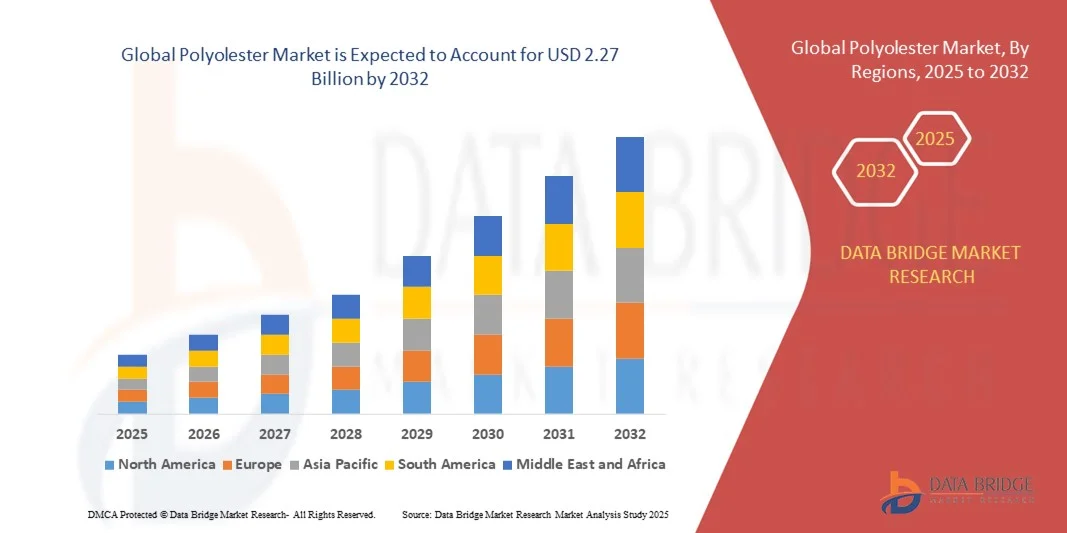
According to the latest report published by Data Bridge Market Research, the Polyolester Market CAGR Value The global polyolester market size was valued at USD 1.53 billion in 2024 and is expected to reach USD 2.27 billion by 2032, at a CAGR of 5.08% during the forecast period Today’s businesses are more inclined towards the market...
If you are new to online gaming platforms, it is normal to have questions before getting started. You may want to know how the platform works, where to find different options, how accounts are managed, and what you should understand before using any available features. Bolly Game is an online gaming platform that can be explored through an internet-connected device. For beginners, the...

Buy Outlook Accounts – Secure, Verified & Active Microsoft Profiles In the modern digital workspace and automated outreach landscape, maintaining a reliable infrastructure of professional email channels is critical. Whether you are scaling large-scale email marketing campaigns, managing multiple business applications, or organizing diverse operational workflows within the Microsoft...

