Vibe Marketing Services: Creating Distinctive Digital Campaigns That Strengthen Brand Recognition

A strong brand is often remembered before it is searched. That is where Vibe Marketing enters the picture. It focuses on the feeling, personality, visual language, tone, and cultural relevance that surround a brand across digital channels. Instead of treating every campaign as a standalone promotion, this approach creates a recognizable identity that audiences can associate with a business over time.
What Is Vibe Marketing?
Vibe marketing is a creative approach to digital marketing that combines brand personality with audience behavior. The objective is not simply to generate clicks or impressions. It is to create campaigns that feel consistent, relevant, and recognizable.
The "vibe" can come from many elements, including:
-
Visual design and color choices
-
Brand voice and messaging
-
Music, video, and storytelling
-
Social media personality
-
Cultural references
-
Audience interests and behaviors
-
The emotional response a campaign creates
A campaign can have an excellent offer and still struggle if it feels disconnected from its audience. Vibe marketing addresses that gap by making creativity part of the brand strategy rather than an afterthought.
Why Brand Recognition Matters
People encounter hundreds of marketing messages every day. Most disappear quickly. A distinctive brand has a better chance of staying in memory because audiences begin to recognize its visual and verbal patterns.
Consistency plays an important role here. A company does not need every advertisement to look identical, but campaigns should share recognizable characteristics. The same personality should appear across social media, websites, email, video, and paid advertising.
This creates a stronger connection between individual campaigns and the wider brand.
How Vibe Marketing Services Build Distinctive Campaigns
Effective Vibe Marketing Services should begin with understanding the audience rather than choosing a trendy design or social format.
Marketers can examine customer demographics, search behavior, content preferences, purchase patterns, and conversations happening within relevant communities. These insights help shape a campaign that feels intentional.
A practical campaign development process can include:
1. Define the Brand Personality
Start by identifying how the brand should sound and feel. Is it energetic, sophisticated, playful, practical, bold, or educational?
A clear personality helps creative teams make better decisions about headlines, imagery, videos, captions, and calls to action.
2. Understand Audience Culture
Audience research goes beyond age and location. Marketers should understand what people watch, discuss, share, and respond to.
Cultural context can influence everything from visual references to humor. A campaign that understands its audience has a better chance of generating genuine engagement.
3. Build a Consistent Visual Identity
Colors, typography, photography styles, illustrations, animation, and layouts should work together. Consistency allows users to identify a brand even before reading its name.
The goal is not to make every creative asset identical. Instead, each asset should belong to the same visual family.
4. Develop a Clear Content Direction
A strong Content Marketing Strategy gives campaigns structure. It defines what subjects the brand should discuss, which formats should be prioritized, and how content supports business objectives.
For example, an enterprise technology company might combine educational articles, product explainers, customer stories, industry commentary, and short videos. Each format can have a different role while supporting the same brand identity.
The Role of AI in Modern Campaign Creation
Artificial intelligence has changed how marketing teams research audiences, generate ideas, analyze performance, and personalize content.
AI-Powered Marketing can help identify patterns in customer data and uncover opportunities that may be difficult to spot manually. AI tools can assist with audience segmentation, content recommendations, campaign testing, predictive analysis, and personalization.
Human judgment remains essential. AI can process large amounts of information quickly, but marketers still need to decide whether an idea fits the brand, audience, and wider communication strategy.
The strongest campaigns use technology to improve decision-making rather than allowing automation to replace creativity.
Connecting Creativity With Business Objectives
Creative campaigns need measurable goals. A visually impressive campaign that produces no meaningful business result needs reconsideration.
Before launching a campaign, teams should define the intended outcome. Common objectives include:
-
Increasing brand awareness
-
Improving website traffic
-
Generating qualified leads
-
Increasing product consideration
-
Supporting customer retention
-
Growing social engagement
-
Improving conversion rates
These goals help marketers select the right channels and measurement methods.
For example, awareness campaigns may focus on reach, impressions, video completion rates, and branded searches. Lead-generation campaigns may pay greater attention to qualified leads, conversion rates, and cost per acquisition.
Building Digital Campaigns Around a Strong Brand Idea
Digital Marketing Campaigns work better when they are built around one clear idea. The concept should be simple enough for audiences to understand quickly and flexible enough to work across multiple formats.
A campaign idea might begin with a short video and later appear as social posts, display advertisements, landing-page content, email messages, and interactive assets.
This approach creates campaign continuity without forcing every channel to use exactly the same content.
Measuring the Impact of Vibe Marketing
Brand recognition can be difficult to measure because it develops over time. Marketers should therefore combine short-term campaign metrics with longer-term brand indicators.
Useful measurements include:
-
Branded search volume
-
Direct website traffic
-
Social engagement
-
Audience sentiment
-
Repeat website visits
-
Video engagement
-
Conversion rates
-
Customer recall surveys
Performance should also be compared against previous campaigns. A single metric rarely explains why an audience responded positively or negatively.
Testing different headlines, visuals, formats, and messages can provide useful evidence. Over several campaigns, these findings can reveal which creative elements consistently resonate with the target audience.
Choosing the Right Marketing Partner
Businesses exploring an Online digital marketing service should look beyond promises of traffic or engagement. A capable marketing partner should understand brand strategy, content development, analytics, audience research, and digital execution.
Ask potential partners how they measure campaign success, how they conduct audience research, and how they maintain brand consistency across channels.
For technology-focused organizations, working with a team that understands both marketing and technical subjects can also be useful. For example, a business searching for a Blockchain Development Company may need marketing content that explains complex concepts without overwhelming potential customers.
Creating Sustainable Brand Growth
Strong branding is rarely created through one viral campaign. Recognition develops through repeated exposure to consistent ideas, experiences, and messages.
That makes Brand Growth Solutions more effective when they combine creative experimentation with a disciplined long-term strategy. Teams should track what works, learn from weaker campaigns, and keep refining their understanding of the audience.
Vibe marketing is not about following every social trend. It is about knowing which trends fit the brand and which should be ignored.
For businesses looking to combine creative thinking with technology-driven marketing capabilities, HyprForge offers digital solutions designed around evolving business requirements.
Final Thoughts
Vibe marketing gives brands another way to think about digital communication. Instead of focusing only on individual advertisements, it considers the complete experience audiences associate with a company.
The strongest campaigns have a clear personality, useful content, recognizable creative elements, measurable objectives, and a genuine understanding of the people they are trying to reach. When these pieces work together, marketing becomes more than promotion. It becomes a consistent expression of the brand.
FAQs
1. What is vibe marketing?
Vibe marketing is a branding and marketing approach that uses personality, visual identity, tone, culture, and storytelling to create a recognizable experience across digital channels.
2. How does vibe marketing improve brand recognition?
It creates consistent visual and verbal patterns that audiences can associate with a company. Repeated exposure to these distinctive elements can make the brand easier to recognize and remember.
3. Can AI be used in vibe marketing?
Yes. AI can support audience research, personalization, content ideation, campaign analysis, segmentation, and performance optimization. Human creativity and brand judgment remain important for final decisions.
4. How do you measure the success of a vibe marketing campaign?
Marketers can measure branded searches, website traffic, engagement, video completion, conversions, audience sentiment, and customer recall. The appropriate metrics depend on the campaign objective.
5. Is vibe marketing suitable for B2B companies?
Yes. B2B brands can use distinctive storytelling, consistent visual identity, educational content, and audience-focused messaging to become more recognizable while maintaining professional credibility.
Kategoriler
Devamını oku
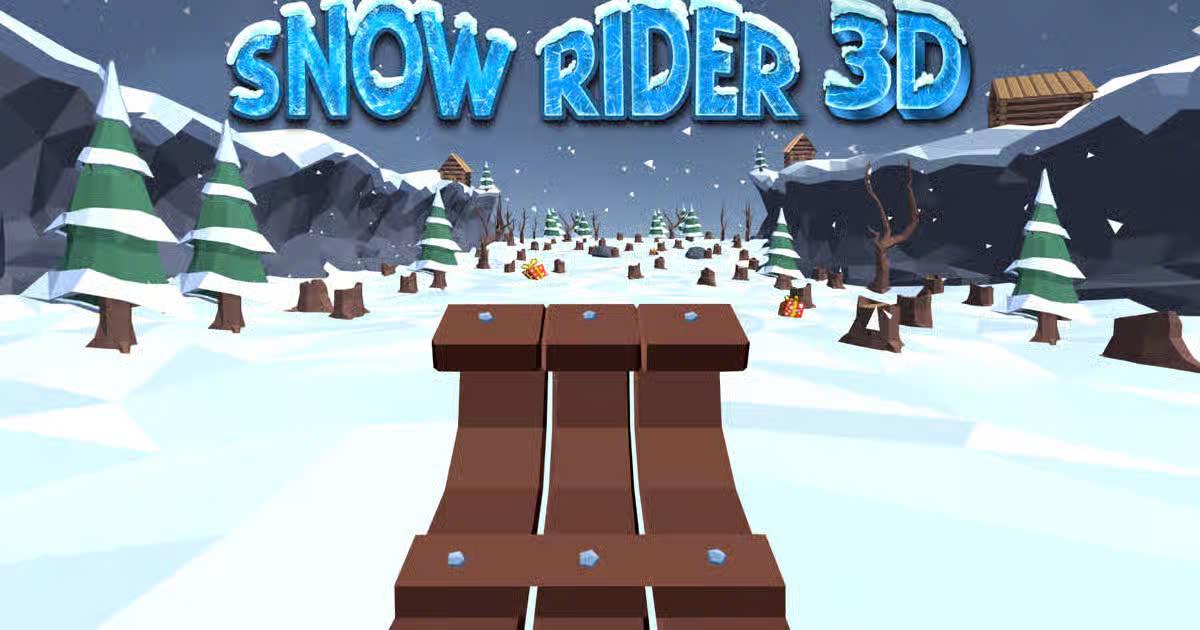
Meta Description: Master the best Snow Rider 3D tricks! Learn how to chain insane combos, collect power-ups, and smash your high score with our ultimate snowboarding guide. Introduction Snow Rider 3D is a thrilling browser game that tests your reflexes as you speed down a snowy mountain. While staying alive is the bare minimum, the real challenge lies in mastering extreme tricks and...
A Golden Triangle Tour with Rajasthan is an excellent way to experience some of India’s most celebrated historical landmarks, royal cities, colorful markets, and cultural traditions in one memorable journey. Combining Delhi, Agra, Jaipur, and Rajasthan’s famous destinations allows travelers to discover both India’s iconic monuments and its rich royal heritage. From the grand...

Golden Triangle Tour with Ranthambore: The Ultimate Delhi, Agra, Jaipur & Tiger Safari Itinerary A Golden Triangle Tour with Ranthambore is one of the most exciting ways to experience the incredible diversity of northern India in a single journey. The classic Golden Triangle connects Delhi, Agra, and Jaipur, while Ranthambore adds an unforgettable wildlife adventure to the route. Instead...

Urban living in Bangalore has changed the way people design and secure their homes. With high-rise apartments becoming common, balcony safety has become a priority for families, especially those with children and pets. At the same time, homeowners don’t want to compromise on aesthetics or airflow. This is where Invisible Grills For Balcony In Bangalore are gaining attention as a practical...

Buy Old Facebook Account Buy an old Facebook account can be a strategic move for those seeking to enhance their online presence. These accounts often come with established friendships, post histories, and credibility that new profiles simply lack. When you purchase an old account, you gain immediate access to potential followers who may already resonate with your content or brand. This can save...