


How to Choose the Right Quick Commerce Platform for Your Brand

Quick commerce has changed how brands reach customers who want products delivered in minutes, not days. But not every platform fits every brand. Choosing the wrong one wastes budget and slows growth. This guide breaks down what actually matters when picking a quick commerce platform, so your listing and your ad spend both work harder.
What Makes a Quick Commerce Platform Different From a Regular Marketplace
Quick commerce platforms like Blinkit, Zepto, Instamart, and Swiggy operate on dark stores, not warehouses. That means limited shelf space, hyperlocal inventory, and delivery windows under 30 minutes. Your product needs to fit this model. Bulky, low-margin, or slow-moving items rarely perform well here, no matter how strong your quick commerce advertising strategy is.
Match the Platform to Your Category and Audience
Each platform has a slightly different user base and category strength. Some skew heavily toward groceries and daily essentials. Others do better with personal care, snacks, or electronics accessories. Before signing up, check where your category already gets strong search volume and repeat orders.
A few questions help narrow this down:
- Does the platform have dark stores in your priority cities?
- Is your category already popular there, or would you be building demand from scratch?
- What does the customer age group and buying behavior look like on this platform?
Answering these honestly saves months of trial and error later.
Get Your Free Consultation: https://www.imarcamplify.com/contact-us
Look at Dark Store Coverage Before Anything Else
A platform can have millions of app users, but if it has no dark store near your target pin codes, your product simply won't show up for local shoppers. Ask for a coverage map before committing. Coverage density matters more than total user base for quick commerce success.
Understand the Ad Formats and Placement Options
Most platforms offer sponsored listings, banner placements, and category takeovers. Some also support keyword-targeted search ads within the app. Compare these formats against your goals. A new brand chasing visibility needs different placements than an established one defending its position.
This is where working with an experienced partner helps. IMARC Amplify runs quick commerce advertising services that map the right ad mix, sponsored search, banners, and category placements, to a brand's specific launch or growth stage, instead of applying one template across platforms.
Compare Commission Structures and Minimum Order Values
Commission rates vary between platforms and categories, and they directly affect your margins. Some platforms also set minimum order values that influence basket size and repeat purchase rates. Run the math on your unit economics before you commit inventory.
Check Fulfillment and Returns Support
Fast delivery only works if fulfillment is reliable. Ask how the platform handles stockouts, damaged items, and returns. A platform with weak backend support can hurt your ratings even when your product quality is fine.
Test With a Small SKU Range First
Don't launch your entire catalog on day one. Start with three to five bestsellers and track performance for four to six weeks. This limits risk and gives you real data on conversion rates, ad performance, and reorder frequency before scaling up.
Track the Metrics That Actually Matter
Impressions look good on a dashboard, but they don't pay bills. Focus on:
- Conversion rate from listing views to orders
- Repeat purchase rate within 30 days
- Cost per order across your ad spend
- Category rank movement over time
These numbers tell you whether a platform deserves more budget or less.
Common Questions Brands Ask
Should I list on all quick commerce platforms at once?
Not usually. Start with one or two platforms where your category already performs well, then expand once you have working data.
How much budget should I set aside for quick commerce advertising?
This depends on category competition and city coverage. Many brands start with 10 to 15 percent of their digital ad budget and adjust based on early conversion data.
Do I need a dedicated team to manage this?
Not necessarily in-house. Many brands work with agencies offering quick commerce advertising services to handle bidding, creative, and platform relationships without hiring full-time staff.
Final Thoughts
Choosing the right quick commerce platform comes down to matching your category, city coverage, and budget to a platform's actual strengths, not its popularity. Start small, measure honestly, and scale what works. The brands that win here treat platform selection as a strategy decision, not a formality.
Categorías
Leer más
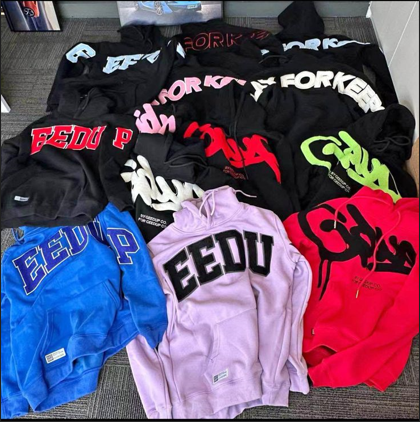
Geedup has become one of the most talked-about names in the streetwear world, representing a unique combination of fashion, culture, and lifestyle. In today’s competitive clothing industry, many brands focus only on trends, but Geedup has created a strong identity built around authenticity, confidence, and community. The brand has gained attention because it connects with people who want...
When people use an internet platform often, having an easy and smooth login gadget makes getting an account entry to masses a great deal much less tough. The Lotus365 login net web page is designed for gift users who want to access their account dashboard and control their account facts from one location. The net web page also highlights a separate VIP dashboard for clients who are...

An automotive fuse holder may be a small component, but its importance in a vehicle's electrical system should not be underestimated. It provides a secure location for a fuse while helping protect circuits from excessive current. When an electrical fault occurs, the fuse can interrupt the circuit before damaged wiring or connected components create a more serious problem.Get more news about...

Finding the perfect balance between performance and comfort can sometimes feel challenging. Some sports gear delivers power but lacks control, while others feel easy to use but don’t support consistent play. Artengo tennis rackets solve this by combining smart design with comfortable handling. These rackets are thoughtfully created for players who want reliable performance that works for...

Buy Yahoo Accounts from getpvasmm.com In today’s digital age, having an online presence is more crucial than ever. Yahoo accounts are a gateway to numerous services, from email communication to news and social networking. But managing just one account can be limiting, especially for professionals or businesses that require multiple profiles. This is where the option to buy Yahoo accounts...