


The Future of K-Pop Fashion: Digital Culture, Luxury Brands, and Global Style
Fashion is becoming increasingly connected to entertainment, technology, and digital communities. Consumers no longer wait for seasonal collections or traditional fashion publications to introduce them to new styles. They encounter fashion through music videos, livestreams, social platforms, celebrity appearances, and online communities.
The digital luxury magazine Asia space reflects this changing environment by connecting fashion with wider conversations around culture, business, entertainment, and technology. Within this transformation, Korean entertainment has become an important source of inspiration for audiences interested in contemporary style.
The connection between music and fashion is especially visible among younger consumers who follow artists across several digital platforms. Their relationship with fashion is often shaped by what they watch, share, discuss, and recreate online.
Fashion Is Moving Beyond Traditional Boundaries
For many years, fashion communication followed a relatively predictable structure. Designers created collections, magazines reported on them, retailers introduced products, and consumers made purchasing decisions.
Digital media has changed this sequence.
Today, consumers can encounter a designer through an artist's social-media post before seeing the collection in a fashion publication. They may then search for the brand, watch styling videos, read reviews, and discuss the product with online communities.
This makes fashion a continuous conversation rather than a limited seasonal event.
K-Pop's Visual Approach to Style
K-pop provides a particularly strong example of fashion being integrated into entertainment.
Artists often work with stylists to create different visual identities for albums, performances, music videos, promotional appearances, and events.
Clothing is therefore connected to a broader creative concept.
The styling may support the mood of a song, introduce a new artistic direction, or create a recognizable identity for a particular project.
This gives fashion a role that goes beyond product placement.
How Fans Participate in Fashion Culture
Fans can become active participants in fashion conversations.
They discuss outfits, identify designers, recreate styling ideas, share photographs, and produce their own content.
This creates an environment where a fashion moment can continue circulating long after an artist's original appearance.
A single outfit may generate reaction videos, social posts, editorial coverage, fan art, and styling discussions.
The audience becomes part of the communication process.
Social Media Has Changed Fashion Discovery
Social platforms have reduced the distance between celebrities, brands, designers, and consumers.
A fashion house can communicate directly with its audience. An artist can introduce a product without traditional advertising. A creator can explain how to recreate a particular look.
This creates several paths toward fashion discovery.
It also means brands need to think carefully about how their products appear within digital culture.
A visually strong product may receive attention, but long-term engagement often depends on the story surrounding it.
The Growing Connection With Luxury
Luxury brands are increasingly present in entertainment culture.
Artists attend fashion shows, appear in campaigns, wear designer collections, and participate in international events.
These activities can connect luxury labels with audiences that may not traditionally follow fashion institutions.
For younger consumers, the personality representing the brand can be as important as the product itself.
This has encouraged luxury companies to consider cultural relevance alongside traditional ideas such as heritage and craftsmanship.
Asian Markets Are Creating New Fashion Conversations
Asia contains some of the world's most diverse fashion and consumer markets.
Japan, South Korea, China, India, Thailand, Singapore, Indonesia, and other markets have their own creative industries and consumer preferences.
Digital connectivity allows these communities to interact more easily.
A trend that begins in one market can influence consumers elsewhere, while regional designers can use digital platforms to introduce their work to international audiences.
This makes Asian fashion increasingly interconnected.
Seoul's Influence on Contemporary Style
Seoul has developed a strong connection between entertainment, street fashion, beauty, retail, and digital culture.
The city provides a setting where fashion trends can develop through multiple creative industries at the same time.
K-pop artists contribute to this environment, but designers, photographers, stylists, independent labels, retailers, and creators also play important roles.
International audiences can encounter these different elements through digital content.
Why Celebrity Styling Matters
Celebrity styling can influence fashion because it provides consumers with visual examples.
Instead of viewing an item in isolation, audiences see how it can be combined with other clothing and accessories.
This makes styling a form of product education.
An oversized jacket, structured handbag, pair of sneakers, or statement accessory can become more approachable when audiences see different ways of wearing it.
From Inspiration to Personal Style
Consumers do not necessarily reproduce celebrity outfits exactly.
Instead, they often select individual elements and adapt them.
Someone may borrow a silhouette without copying the color. Another person may adopt an accessory while maintaining a completely different wardrobe.
This process creates personal interpretation.
As a result, cultural influence does not always produce identical fashion choices. It can encourage consumers to experiment with new combinations.
The Business Value of Digital Communities
Online communities can be valuable to fashion companies because they provide ongoing conversations around products and trends.
When consumers actively discuss a brand, they can introduce it to people outside the company's existing audience.
However, brands cannot assume that every community will respond positively to every campaign.
Understanding the interests, expectations, and communication habits of a specific audience is essential.
The Role of Editorial Content
Editorial platforms can provide context that short-form social content often cannot.
An article can examine the history of a trend, introduce a designer, explain a celebrity collaboration, or analyze changing consumer behavior.
This creates an opportunity for fashion media to connect individual moments with broader industry developments.
For brands operating across Asia, editorial storytelling can also help communicate regional perspectives to international readers.
K-Pop and Fashion Business Strategy
The K-pop fashion influence has implications for fashion businesses beyond celebrity campaigns.
Companies can study how entertainment brands build communities, release content consistently, and create visual identities around major launches.
The goal is not to copy the entertainment industry but to understand the communication principles behind its success.
Strong visual concepts, consistent storytelling, community participation, and frequent digital interaction can all contribute to audience engagement.
Emerging Designers and New Opportunities
Independent designers can benefit from the growing relationship between entertainment and fashion.
A collaboration with an artist can introduce a small label to audiences that would otherwise be difficult to reach.
Digital platforms can then extend the visibility of that collaboration.
This creates new possibilities for designers who combine traditional craftsmanship with contemporary communication methods.
Fashion and Technology Are Becoming More Connected
Technology is also changing how consumers interact with fashion.
Virtual events, augmented-reality experiences, artificial intelligence, personalized recommendations, and interactive shopping platforms are creating new ways to experience products.
Entertainment can provide another layer to these experiences.
Future campaigns may combine music, digital characters, fashion collections, interactive content, and social communities.
This could make the boundary between entertainment and fashion even less defined.
The Importance of Authentic Partnerships
Not every celebrity partnership creates the same response.
Audiences can recognize when a collaboration feels natural and when it appears disconnected from a personality's established image.
Brands therefore need to consider cultural fit.
The artist's audience, creative identity, personal style, and relationship with the product can all influence how a campaign is received.
Long-term partnerships may also provide more consistent communication than isolated promotional appearances.
Global Audiences Are Becoming More Diverse
Fashion brands now communicate with audiences who have different cultural backgrounds and expectations.
A campaign created for one market may be viewed internationally within hours.
This makes cultural awareness increasingly important.
Brands need to understand regional differences while also recognizing shared interests among digitally connected consumers.
Asian entertainment provides many examples of how local creative identities can achieve international visibility without losing their cultural characteristics.
What the Future May Look Like
The next phase of fashion communication is likely to involve even stronger connections between entertainment, digital media, luxury, and community culture.
Artists may become involved in product development rather than only promotional campaigns.
Fashion brands may create original entertainment content.
Digital publications may combine editorial journalism with interactive experiences.
Consumers may also become more involved in shaping the conversation around brands.
These changes could create a fashion environment where audiences participate almost as much as companies do.
Building a Stronger Asian Fashion Ecosystem
Asia's fashion future will depend on collaboration between many different industries.
Designers need media exposure. Brands need creative storytelling. Artists need fashion partnerships. Publications need compelling cultural stories. Consumers need useful information.
Digital platforms can connect these groups.
The result can be a more interconnected fashion ecosystem where ideas move between cities, industries, and audiences.
Conclusion
The rise of k-pop has shown how powerful the relationship between entertainment and fashion can become in a digitally connected world. Korean artists have helped bring together music, styling, luxury branding, social media, and fan communities in ways that reach audiences far beyond Korea.
The wider impact goes beyond celebrity clothing. It reflects a transformation in how consumers discover brands, interpret trends, and develop their own identities through fashion.
As Asian creative industries continue to connect with international audiences, digital publishing, entertainment partnerships, and new technology will create additional opportunities for designers and brands. The future of fashion will increasingly depend on the ability to communicate across industries while remaining relevant to different cultural communities.
FAQs
1. How has K-pop changed fashion marketing?
K-pop has connected fashion marketing with music, celebrity culture, social media, visual storytelling, and highly engaged online communities.
2. Why are luxury brands interested in K-pop artists?
K-pop artists can provide access to international digital audiences and can connect luxury products with contemporary entertainment culture.
3. How do fans influence fashion trends?
Fans can share outfits, create styling content, discuss designers, recreate looks, and introduce fashion ideas to their own communities.
4. What role does digital media play in Asian fashion?
Digital media allows designers, brands, celebrities, publications, and consumers across Asian markets to communicate and share fashion ideas more quickly.
5. What is the future of K-pop and fashion?
The relationship may expand through collaborations, product development, digital experiences, luxury campaigns, interactive content, and stronger connections between entertainment and fashion.
Κατηγορίες
Διαβάζω περισσότερα
According to the latest report published by Data Bridge Market Research, the Plastic Crates Market The global plastic crates market size was valued at USD 19.40 billion in 2025and is expected to reach USD 90.32 billion by 2033, at a CAGR of 21.20% during the forecast period Plastic Crates Market report has been framed by chewing over an array of market parameters. These factors...

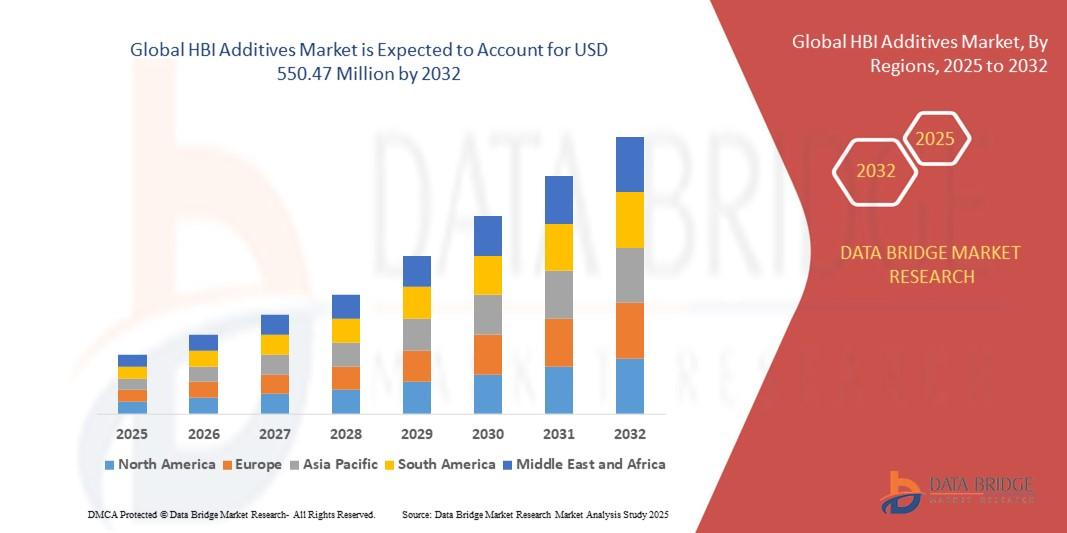
According to the latest report published by Data Bridge Market Research, the HBI Additives Market Global HBI additives market size was valued at USD 325.21 million in 2024 and is projected to reach USD 550.47 million by 2032, with a CAGR of 6.80% during the forecast period of 2025 to 2032. This client-centric, leading edge and truthful HBI Additives Market...
Buy Yahoo Accounts from getpvasmm.com In today’s digital age, having an online presence is more crucial than ever. Yahoo accounts are a gateway to numerous services, from email communication to news and social networking. But managing just one account can be limiting, especially for professionals or businesses that require multiple profiles. This is where the option to buy Yahoo accounts...

ATHE qualifications are recognized worldwide for providing students with practical knowledge and professional skills in business, management, healthcare, tourism, computing, and many other disciplines. Although these qualifications are highly respected, completing ATHE assignments can be challenging because they require extensive research, critical thinking, structured writing, and compliance...

Buy Old Gmail Accounts 🚪🚀💬📞📩 We’re always ready to help you 24/7! ➥ ➥🎁✔️💼 ➥🎁✔️💼 Telegram: @getpvatop ➥🎁✔️💼 ➥🎁✔️💼 WhatsApp: +1(873)710-7167 ➥🎁✔️💼 ➥🎁✔️💼 Email: getpvatop@gmail.com➥🎁✔️💼 ➥🎁✔️💼 Discord: account service➥🎁✔️💼 ➥🎁✔️💼our company https://getpvatop.com/product/buy-old-gmail-accounts/🔥⚡️🚀💬 FAST RESPONSE • QUICK ASSISTANCE • EASY...

