Alopecia Areata Treatment in Dubai for Sensitive Scalps
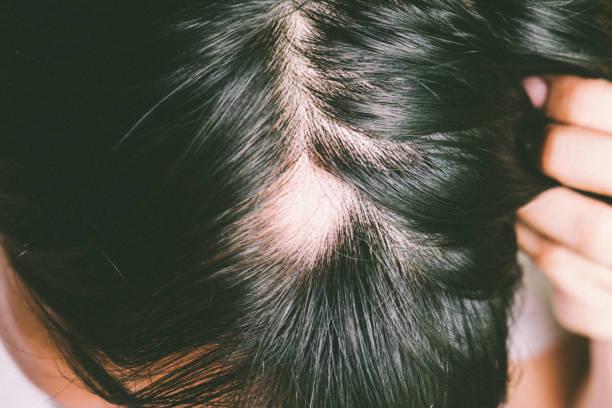
A sensitive scalp can make even a limited area of hair loss more uncomfortable to manage, especially when the skin reacts easily to products, friction, heat, or cosmetic procedures. Alopecia Areata Treatment in Dubai for patients with sensitive scalps requires attention to both the hair-loss pattern and the condition of the skin surrounding the affected follicles.
Scalp sensitivity does not necessarily indicate that alopecia areata is more active. Burning, tenderness, itching, dryness, or irritation may have a separate cause and should be assessed rather than automatically attributed to the hair-loss condition.
Understanding Sensitivity During Hair Loss
Scalp sensitivity can take several forms, and describing the exact sensation can help during assessment.
Burning or Stinging
Some people describe a mild burning or stinging sensation after applying hair products, sweating, or exposing the scalp to heat.
The timing of the sensation matters because irritation from a product may behave differently from symptoms associated with an underlying scalp disorder.
Tenderness
A tender area may feel uncomfortable when touched, brushed, or exposed to pressure.
Tenderness is not by itself diagnostic of alopecia areata, so the scalp should be examined for redness, inflammation, scaling, or other findings.
Itching and Dryness
Itching can occur for many reasons, including dryness, dermatitis, product sensitivity, or other scalp conditions.
If itching is prominent around a bald area, identifying its cause is important before selecting treatment.
Why Sensitive Scalp Assessment Requires Care
A sensitive scalp may react to products or procedures that would otherwise be tolerated well. This makes the treatment environment and baseline skin condition particularly relevant.
Examining the Skin Before Treatment
The clinician should assess the scalp surface for visible irritation, inflammation, scaling, crusting, or other abnormalities.
If the skin is already compromised, treating the hair loss without addressing the scalp condition may create unnecessary discomfort.
Reviewing Hair-Care Products
Shampoos, conditioners, styling products, dyes, fragrances, and scalp treatments can all contribute to irritation in susceptible individuals.
A product history can help identify whether sensitivity developed before or after the hair-loss episode.
Identifying Existing Scalp Conditions
Alopecia areata can coexist with other scalp problems. Treating one condition does not automatically resolve another source of irritation.
This is why symptoms should be evaluated independently rather than assumed to have a single cause.
Diagnosing Alopecia Areata on a Sensitive Scalp
Sensitivity should not prevent accurate diagnosis. The examination can be adapted to minimize unnecessary irritation.
Visual Examination
The clinician first assesses the shape and distribution of hair loss and examines the scalp surface.
A smooth area of hair loss with preserved follicular openings can support a non-scarring pattern, while scaling, inflammation, or other changes may suggest another condition.
Magnified Assessment
Dermoscopy can provide additional information about follicular structures and hair shafts without requiring aggressive manipulation of the scalp.
The examination should be performed carefully, particularly when the skin is tender.
Reviewing the Hair-Loss Timeline
The timing of sensitivity relative to hair loss can provide useful context.
If irritation began after introducing a new product, for example, the two issues may not share the same underlying cause.
Preparing a Sensitive Scalp for Treatment
A careful preparation strategy can reduce unnecessary irritation.
Keep the Routine Simple
Before treatment, avoid introducing several new scalp products at once. A simpler routine makes it easier to identify what the skin tolerates.
Avoid Aggressive Scrubbing
Scrubbing or exfoliating a bald patch does not stimulate alopecia areata regrowth and may increase irritation.
The scalp should be handled gently during washing and styling.
Discuss Previous Reactions
If the patient has previously experienced significant irritation from topical products, injections, adhesives, dyes, or other treatments, this should be communicated before a new therapy is selected.
This information can influence how the treatment is planned.
Treatment Options for Alopecia Areata With Scalp Sensitivity
Treatment depends on the alopecia areata pattern and the condition of the scalp.
Localized Corticosteroid Injections
For appropriate patchy alopecia areata, corticosteroid injections can be administered directly into affected areas.
Patients with sensitive scalps may require particularly careful technique and discussion of expected sensations. The injection depth, spacing, and treatment field should be controlled by a qualified clinician.
Topical Therapies
Topical medication may be considered when appropriate for the patient's condition. However, sensitive skin may tolerate some formulations differently from others.
The clinician should consider both the intended hair-loss effect and the potential for local irritation.
Broader Medical Treatment
If alopecia areata is extensive or involves multiple regions, broader medical options may be considered.
Such therapies require individualized assessment and, for some medications, ongoing medical monitoring.
Managing Discomfort Around Localized Treatment
Sensitivity does not necessarily prevent treatment, but comfort should be part of the treatment plan.
Communicate During the Procedure
Patients should describe burning, sharp discomfort, unusual pressure, or other sensations during treatment.
Clear communication allows the clinician to adjust technique or provide appropriate comfort measures when necessary.
Protect the Surrounding Skin
When treatment is localized, the intended treatment area should be clearly identified. Avoiding unnecessary manipulation of unaffected scalp can help limit irritation.
Follow Post-Treatment Instructions
The scalp may temporarily feel different after certain treatments. Following the clinician's specific aftercare instructions is preferable to experimenting with multiple products.
Sensitive Scalps and Topical Product Selection
Patients with scalp sensitivity often try multiple products in an attempt to improve hair growth or reduce irritation. This can create a cycle of repeated exposure.
Avoid Unnecessary Product Switching
Changing shampoos, oils, serums, and scalp treatments every few days makes it difficult to determine which product is responsible for a reaction.
A stable routine is generally easier to monitor.
Fragrance and Irritant Exposure
Some fragranced or strongly formulated products can irritate sensitive skin. Product selection should be based on tolerance rather than marketing claims about hair regrowth.
Be Careful With Home Remedies
Natural ingredients are not automatically non-irritating. Essential oils, concentrated extracts, acids, or abrasive preparations can produce scalp reactions.
A product's source does not determine whether it is appropriate for sensitive skin.
Sensitive Scalp Care in Dubai
Dubai's environmental conditions create several practical considerations for people with easily irritated scalps.
Heat and Sweat
High temperatures can increase sweating and make an already sensitive scalp feel uncomfortable.
Gentle cleansing after significant sweating may help maintain comfort, but aggressive washing should be avoided.
Strong Sunlight
A bald or thinning area receives more direct sunlight than surrounding hair-covered skin.
Shade, suitable headwear, and appropriate scalp protection can be useful during extended outdoor exposure.
Air Conditioning
Frequent movement between hot outdoor conditions and strongly air-conditioned environments may contribute to dryness or discomfort for some people.
Maintaining a consistent, gentle routine can help avoid unnecessary fluctuations in scalp irritation.
When Scalp Sensitivity Needs Further Investigation
Sensitivity should be reassessed when symptoms are persistent, severe, or accompanied by visible changes.
Pay attention to:
- Persistent redness
- Significant scaling
- Crusting or discharge
- Increasing tenderness
- Severe or ongoing itching
- New areas of inflammation
- Rapid changes in hair loss
- Symptoms that begin after a new medication or topical product
These findings may indicate that another scalp condition is present alongside the hair loss.
Sensitive Scalp Care During Hair Regrowth
Regrowth requires patience, and excessive handling of the affected area can make the scalp more uncomfortable without accelerating follicular recovery.
Handle New Hair Gently
Early regrowing hairs may be fine and fragile. Avoid pulling, excessive brushing, or aggressive styling around the affected area.
Keep Monitoring Consistent
Photographs and clinical reviews can document regrowth without requiring constant touching or checking of the scalp.
Do Not Equate Sensitivity With Treatment Response
A tingling or burning sensation does not prove that a treatment is stimulating hair growth.
Likewise, a completely comfortable scalp does not mean that treatment is ineffective. Treatment response should be evaluated through appropriate clinical findings.
When Sensitive Scalp Symptoms and Hair Loss Change Together
A change in both scalp symptoms and hair loss warrants reassessment.
New Inflammation
If a previously smooth patch develops redness, scaling, or significant tenderness, the diagnosis may need to be reviewed.
Expanding Hair Loss
An enlarging bald area should be documented and evaluated regardless of whether the scalp feels sensitive.
Additional Hair-Loss Areas
New eyebrow, beard, or scalp patches can change the overall clinical picture and should be reported during follow-up.
Common Mistakes With Sensitive Scalp and Alopecia Areata
One common mistake is assuming that every sensation on the scalp comes from alopecia areata. Sensitivity may have a separate cause, including product irritation or another dermatological condition.
Another mistake is using increasingly strong products because a gentle product does not produce an immediate sensation. A burning or tingling feeling is not evidence that a product is working.
Some patients also avoid necessary assessment because they expect every examination or treatment to aggravate their scalp. A carefully planned clinical evaluation can be adapted to the individual's tolerance.
Finally, excessive washing, scratching, or rubbing can create irritation that makes the original symptoms harder to interpret.
Frequently Asked Questions
Does a sensitive scalp mean alopecia areata is active?
Not necessarily. Sensitivity can result from several different causes and should be assessed separately from disease activity.
Can people with sensitive scalps receive alopecia areata injections?
Selected patients can receive localized treatment when clinically appropriate. Technique and treatment planning should account for scalp sensitivity.
Should I stop all hair products if my scalp is sensitive?
Not automatically. The appropriate approach depends on the suspected cause of irritation and the products being used.
Can heat make alopecia areata worse?
Heat and sweating can affect scalp comfort, but they should not automatically be considered the cause of alopecia areata.
Is itching a typical sign of alopecia areata?
Alopecia areata can occur without significant symptoms. Persistent itching should prompt consideration of other scalp conditions as well.
How should I protect a sensitive bald patch outdoors?
Reducing direct sunlight exposure with shade or suitable headwear can help protect exposed scalp while minimizing friction.
A Gentle, Diagnostic Approach for Sensitive Scalps
Managing alopecia areata on a sensitive scalp requires attention to two separate issues: the behavior of the hair-loss condition and the condition of the skin. A careful assessment can help determine whether sensitivity is related to irritation, another scalp disorder, or a separate issue occurring alongside alopecia areata.
For individuals considering Alopecia Areata Treatment in Dubai, treatment should be selected according to the disease pattern while taking scalp tolerance into account. Avoiding unnecessary irritation, simplifying hair care, and monitoring changes systematically can make the treatment process more manageable.
Book a Sensitive Scalp Assessment
If you have patchy hair loss together with burning, itching, tenderness, or frequent scalp irritation, professional assessment can help identify the cause and determine an appropriate treatment approach.
Schedule a consultation with Tajmeels Clinic in Dubai to have your hair loss and scalp sensitivity assessed and discuss a personalized treatment plan.
Категории
Больше
In today’s competitive B2B landscape, revenue growth depends less on broad outreach and more on precision targeting. Businesses that rely on guesswork often struggle with inconsistent pipelines and low conversion rates. This is why B2B Market Segmentation has become a core pillar in building predictable and scalable revenue pipelines. By structuring audiences into meaningful, data-driven...

In today’s competitive business landscape, organizations across Abu Dhabi and Dubai are rapidly embracing ERP solutions to streamline operations, improve efficiency, and stay compliant with regulations. From SMEs to large enterprises, the demand for ERP software in Abu Dhabi and across the UAE is growing as companies aim to achieve seamless UAE digital transformation. What is ERP and Why...

Modern fashion is no longer only about looking good. People also want clothing that feels comfortable, works with different activities, and fits naturally into everyday life. This is where gv gallery clothing can become an interesting choice for people who enjoy casual streetwear with a strong visual identity. From relaxed tops to matching sets, the collection can fit different moments...

Aion 2 puts considerable attention on movement and character identity, and wings are once again positioned near the center of that experience. Players will encounter Aion 2 Items that contribute to progression and customization, but wings stand apart because they combine visual appeal with transportation. Rather than functioning as a simple convenience feature, they are designed to become...

The online world continues to evolve, offering users faster and more convenient ways to enjoy digital services. Trang chu MM88 represents the main entry point to a platform designed with simplicity, performance, and user satisfaction in mind. Visitors can expect an organized interface, responsive navigation, and reliable accessibility across different devices, making it easier to explore...