


Insurance for Storage Unit: What to Know Before Storing Your Belongings
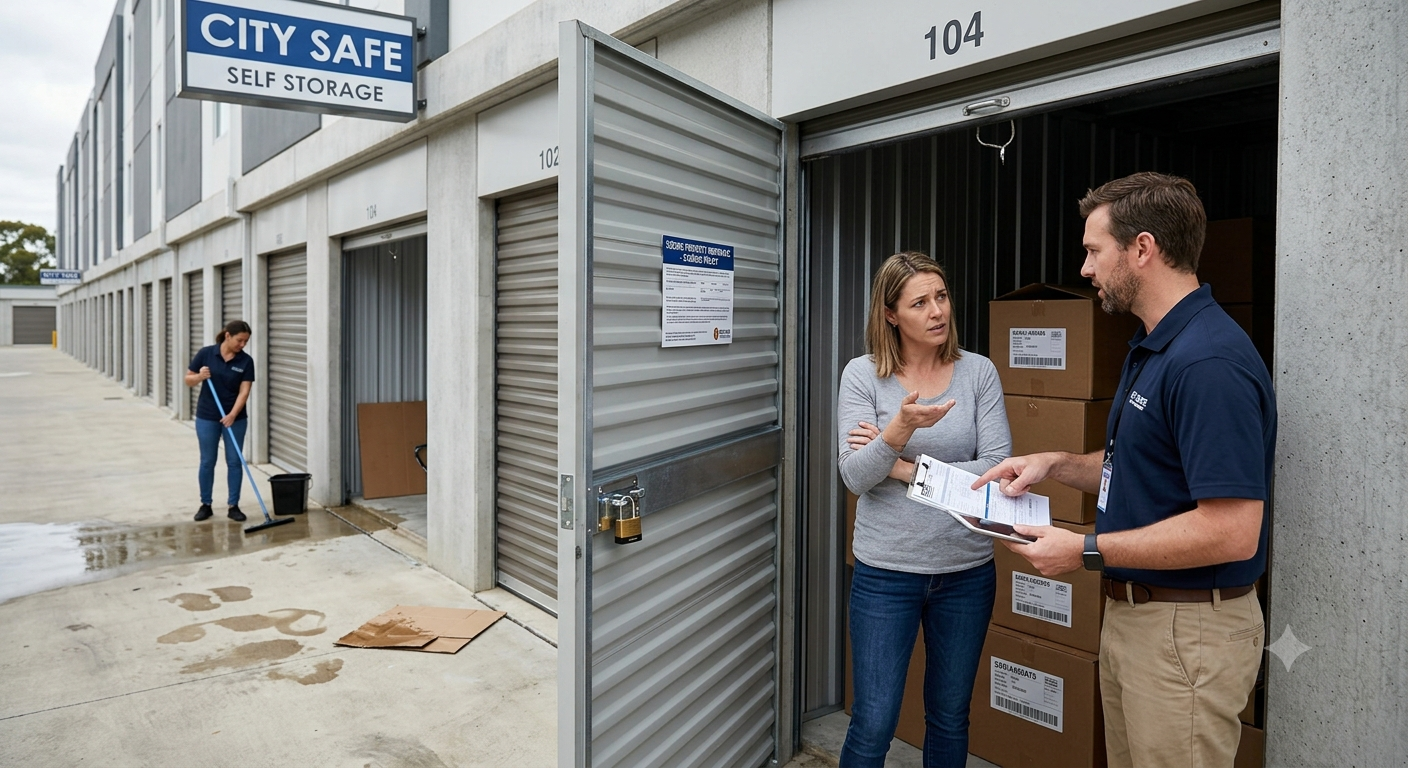
Putting belongings into a self-storage unit can free up space at home, simplify a move, or give a business somewhere practical to keep inventory and equipment. However, moving property away from your home or workplace introduces risks that are easy to overlook. Insurance for storage unit contents can provide financial protection when eligible stored belongings are damaged or lost because of a covered event.
Whether you are storing furniture for a few months, keeping business stock at a storage facility, or using a portable container during a move, it is important to understand how coverage works before you need it. Insurance policies have limits, exclusions, deductibles, and specific requirements, so knowing what you are buying is just as important as arranging the storage space itself.
Why Insurance for Storage Unit Contents Matters
A secure storage facility can take numerous measures to protect its premises, including access controls, gates, locks, lighting, and surveillance. These precautions help reduce risk, but they cannot prevent every unexpected event.
Fire, smoke, severe weather, burglary involving forced entry, vandalism, and certain types of water damage can still affect property in storage. Depending on the policy, some of these events may be covered, while others may be restricted or excluded.
The value of the belongings inside a unit can also add up faster than expected. A few pieces of furniture, appliances, electronics, seasonal belongings, and boxes of household goods could represent thousands of dollars in property.
For businesses, the potential value may be even greater when storage units contain inventory, equipment, tools, or commercial property. Having appropriate contents insurance creates an additional layer of financial protection rather than relying entirely on the physical security of the facility.
What Does Insurance for Storage Unit Contents Cover?
The exact protection depends on the policy you purchase. There is no universal storage policy that covers every loss, item, or situation.
Storage contents coverage is generally designed to respond when insured property suffers direct physical loss or damage from a cause specifically covered by the policy. Depending on the provider and policy terms, covered causes may include events such as fire, lightning, smoke, explosion, vandalism, windstorm, hail, falling objects, or burglary involving forced entry.
Some policies may also provide limited protection for certain types of water damage or property while it is being transported to or from an insured location.
This distinction matters. A policy covering water damage, for example, does not necessarily mean that every incident involving water will qualify. The cause of the damage and applicable exclusions determine whether a claim is covered.
Before purchasing coverage, review the policy documents rather than relying solely on a general description of benefits.
Storage Insurance and Your Homeowners or Renters Policy
People sometimes assume their homeowners or renters insurance automatically provides full protection for everything placed in self-storage.
That assumption can create problems.
A homeowners or renters policy may extend some personal property protection away from the residence, but different limits, exclusions, deductibles, and conditions can apply to property stored elsewhere. Certain belongings may also have special sublimits.
Start by contacting your existing insurer and asking specifically about property kept at a self-storage facility. Find out how much off-premises coverage applies, which risks are covered, and what deductible you would pay after a loss.
You can then compare that protection with dedicated storage contents insurance. The aim is not simply to have a policy in place but to understand whether the available coverage is appropriate for the belongings you intend to store.
Contents Insurance for Personal and Business Property
Not everyone uses a storage unit for the same reason. That makes the type and value of property important when considering coverage.
Households may store sofas, tables, appliances, clothing, seasonal decorations, sports equipment, books, and other possessions during a move, renovation, downsizing project, or period of temporary accommodation.
Businesses may use storage facilities differently. A unit might contain inventory, equipment, materials, office furniture, supplies, or other commercial property.
Some storage insurance programs can cover both personal and commercial property, but eligibility should never be assumed. Check whether the policy specifically recognises the type of property you plan to store and whether any category has separate limits.
Creating an inventory before moving everything into the unit can make this process easier. It also gives you a more realistic estimate of how much coverage you may need.
Mobile Storage Insurance Requires Extra Consideration
Portable and mobile storage containers create a slightly different risk profile from traditional self-storage.
A container may be loaded at your home, transported to another location, kept at a storage facility, or moved again before being unloaded. Property therefore may not remain at one fixed address throughout the storage period.
Mobile storage insurance can be particularly relevant in these situations. Before choosing coverage, determine whether protection applies only while your belongings are stationary or whether eligible property is also insured during transit.
For example, the Storage Protectors Program policy provides coverage for eligible personal and commercial property in storage units and mobile storage units at insured premises, as well as certain coverage while property is in transit to or from an insured location. Coverage remains subject to the applicable policy terms and conditions.
If you are using a portable container, check the locations and stages of transportation covered by your particular policy rather than assuming continuous protection.
Common Exclusions to Check Before Storing Property
Knowing what is excluded is one of the most important parts of choosing storage protection.
Policies can exclude particular categories of property even when other belongings in the same unit are covered. Depending on the policy, exclusions can apply to money, securities, valuable documents, jewelry, precious metals, firearms, animals, vehicles, watercraft, and certain other property.
Coverage can also depend on how a loss occurs. For example, burglary coverage may require evidence of forcible entry rather than simply discovering that an item is missing.
Never use another policy's exclusions as a substitute for reading your own. Definitions and restrictions vary, and the wording in your policy ultimately determines the available protection.
If you plan to store unusually valuable or specialised property, confirm its eligibility before placing it inside the unit.
Choosing the Right Coverage Limit
Selecting an arbitrary coverage amount can leave you underinsured.
Instead, make a room-by-room or box-by-box inventory before moving. Record major items and estimate their current value. Photographs or videos can provide an additional record of what went into storage.
Once you have an approximate total, compare it with the coverage limits available to you.
You should also understand how the insurer values damaged or lost property. Depending on the policy, settlement may be based on factors such as actual cash value, repair cost, or replacement with property of like kind and quality, subject to the policy limit and deductible.
The highest coverage limit is not automatically the right choice. The goal is to select protection that reflects the eligible property you are actually storing.
How Deductibles Affect a Storage Insurance Claim
The deductible is the portion of a covered loss that generally remains your responsibility before the insurance payment is calculated.
Suppose covered property suffers a qualifying loss. Even when the claim is accepted, the amount you receive may be reduced by the applicable deductible and remain subject to the policy's coverage limit and valuation provisions.
This is why comparing storage coverage solely on price can be misleading. Two options with similar limits may have different deductibles, exclusions, valuation methods, or covered causes of loss.
Read these details together to understand the practical level of protection.
Steps to Take Before Moving Into a Storage Facility
Insurance works best alongside sensible storage practices.
Inspect the unit before moving your belongings inside. Look for existing water damage, gaps, signs of pests, damaged doors, or other problems and report concerns to facility management. Use suitable boxes or containers and keep moisture-sensitive belongings off the floor where practical.
Create a written or digital inventory and take photographs of higher-value belongings. Keep receipts, serial numbers, purchase records, or other documentation when available.
You should also retain copies of your storage rental agreement, insurance certificate, and payment records. These documents may become important if you later need to demonstrate coverage or support a claim.
Finally, ask the storage facility about its security arrangements, access procedures, and rules for stored property. Insurance should complement good storage practices, not replace them.
Filing a Claim for Damaged or Missing Stored Property
If you discover damage or loss, document the situation before moving, repairing, or disposing of affected property whenever it is safe to do so.
Take photographs and video of the unit, damaged belongings, door, lock, and any visible evidence of forced entry. Notify the appropriate parties promptly and follow the claims instructions provided with your policy.
Insurers or claims administrators may request an inventory of affected belongings, photographs, receipts, the storage lease, proof of insurance, and evidence showing how the loss occurred.
For burglary or theft-related claims, additional documentation such as evidence of forcible entry or a police report may be relevant depending on policy requirements.
Good records cannot guarantee that a claim will be covered, but they can make it easier to demonstrate what was stored and what happened.
Insurance for Storage Unit Protection Starts Before You Move In
Choosing a storage unit involves more than comparing dimensions, monthly rent, and distance from home. The belongings inside the unit also deserve consideration.
Review your existing homeowners or renters coverage, calculate the approximate value of your property, understand the risks associated with the storage method you are using, and compare the terms of available protection. Pay particular attention to deductibles, exclusions, covered causes of loss, and coverage limits.
For people using traditional self-storage or portable containers, the Storage Protectors Program provides access to contents coverage designed for eligible personal and business property in storage. The program also addresses mobile storage scenarios, subject to the applicable insurance policy's terms, limits, conditions, and exclusions.
Taking these steps before filling the first box can help you make a more informed decision and understand exactly where you stand if an unexpected loss occurs.
FAQs About Storage Unit Insurance
Does storage insurance cover belongings while they are being moved to a storage facility?
It depends on the policy. Some coverage applies only when property is inside the insured storage unit, while certain policies extend protection to eligible property in transit to or from an insured location. Check the geographic and transit conditions before moving your belongings.
Can business inventory be covered inside a self-storage unit?
Some policies cover eligible commercial property as well as household belongings. However, business inventory, equipment, materials, and other commercial items should be declared or reviewed against the policy terms to confirm eligibility and appropriate coverage limits.
Will storage insurance pay if items simply disappear from a locked unit?
Not necessarily. Theft and burglary are not always treated identically. Some policies require evidence of forcible entry for burglary coverage, so discovering that property is missing without signs of entry may result in a different coverage determination.
Should I photograph belongings before putting them into storage?
Yes. An itemised inventory supported by photographs or videos can provide useful evidence of the property placed into storage. Keeping receipts, serial numbers, and purchase records for significant items can also help document ownership and value if a covered loss occurs.
Does mobile storage insurance protect both the container and everything inside it?
Not automatically. Coverage for the contents of a mobile storage container and protection for damage to the container itself can be separate forms of coverage. Review the applicable policy or damage waiver terms to determine exactly what is protected at the facility, off-site, and during transit.
Categorie
Leggi di più
The fear of a bad haircut is real. You describe a style, the barber nods, and 20 minutes later you are staring at something you never wanted. What if you could walk through a mirror into your own future—seeing exactly how a skin fade, a full beard, or a clean shave looks on your face before any hair is cut? At the best salon in karachi, located in Gulistan-e-Johar, Karachi, Pakistan,...

Buy Telegram Accounts Buy Telegram accounts can be a game-changer for businesses looking to expand their digital footprint. With millions of active users, Telegram offers an unparalleled platform for marketing and audience engagement. 👉💪📩📢🔗🤳📶💼➤⚡️🕐 Instant Reply Guaranteed — Message now for quick assistance.👉💪📩📢🔗🤳📶💼➤Telegram:@getpvasmm👉💪📩📢🔗🤳📶💼➤WhatsApp: + 1 (830)...

Men’s leather jackets in Vancouver are a wardrobe essential for those who value both style and practicality. With the city’s mild yet unpredictable climate, having a versatile outer layer is crucial. A well-crafted leather jacket offers durability, comfort, and timeless appeal, making it a smart choice for everyday wear in Vancouver. This complete guide covers everything you need to...
Buy Yahoo Accounts from getpvasmm.com In today’s digital age, having an online presence is more crucial than ever. Yahoo accounts are a gateway to numerous services, from email communication to news and social networking. But managing just one account can be limiting, especially for professionals or businesses that require multiple profiles. This is where the option to buy Yahoo accounts...