


Can HIV Be Detected Without Any Symptoms?
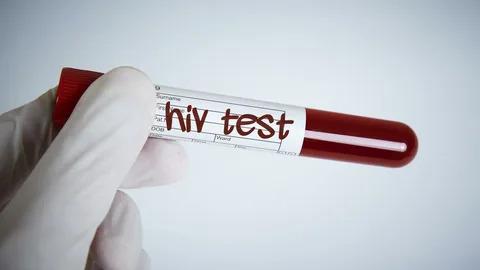
Yes, HIV can be present without causing noticeable symptoms. Some people may experience symptoms during the early stage of infection, while others may feel completely healthy. This is one of the reasons HIV testing can be important after a possible exposure.
A person should not assume that they are free from HIV simply because they feel well. Symptoms are not a reliable way to determine HIV status. An HIV Test in Dubai can provide objective information about whether HIV markers are detected by the selected testing method.
The absence of symptoms can sometimes make people delay testing. They may believe that an infection would cause obvious health changes, but HIV does not always work that way. Professional testing can help remove uncertainty and provide a clearer understanding of an individual's status.
Why Some People Have No HIV Symptoms
HIV affects the immune system, but the way the infection presents can differ between individuals. Some people develop short-term symptoms after infection, while others may have few or no noticeable changes.
When early symptoms do occur, they can resemble many ordinary illnesses. Fever, tiredness, sore throat, swollen lymph nodes, headache, body aches, and skin changes can have numerous causes. Because these symptoms are not unique to HIV, they cannot be used as a diagnosis.
On the other hand, someone who has no symptoms cannot assume that HIV is impossible.
This is why healthcare professionals rely on appropriate testing rather than symptoms alone when determining HIV status.
Enfiled STD Clinic for HIV Testing
At Enfiled STD Clinic, people concerned about possible HIV exposure can discuss their testing needs with healthcare professionals. A consultation can help determine whether an HIV test is appropriate and when testing should be performed.
A healthcare professional may ask about the approximate date of a possible exposure, previous HIV tests, symptoms, and other relevant health information. These questions help establish the most suitable testing approach.
For people who have no symptoms, discussing exposure history can be especially important. Without symptoms to guide the conversation, the timing and circumstances of potential exposure may provide useful information when planning testing.
Professional guidance can also help explain whether additional testing may be necessary after an initial negative result.
How an HIV Test Detects Infection
HIV tests are designed to identify markers associated with HIV infection. Depending on the test, these markers may include HIV antibodies or a combination of antibodies and p24 antigen.
Laboratory-based antigen/antibody tests are commonly used for HIV screening and can detect infection earlier than some antibody-only approaches.
Other testing methods may provide rapid results and can be useful in appropriate circumstances. However, the ability of a test to detect a recent infection depends on the specific test and how long it has been since exposure.
An HIV Test in Dubai should therefore be selected and interpreted with the timing of possible exposure in mind.
Why Testing Matters When There Are No Symptoms
Testing can be particularly valuable when symptoms are absent because there may be no physical signs prompting a person to seek medical attention.
Someone may feel healthy but still have a reason to consider testing, such as a recent sexual exposure or another situation associated with potential HIV transmission.
Testing provides information that symptoms cannot provide.
A negative result obtained at an appropriate time can offer reassurance, while a reactive screening result can lead to confirmatory testing and appropriate medical follow-up.
The goal of testing is not to assume that someone has an infection. Instead, it helps replace uncertainty with reliable medical information.
Understanding the HIV Window Period
The window period is one of the most important concepts to understand when considering HIV testing.
After HIV exposure, there is a period during which an infection may not yet be detectable by a particular test. The length of this period varies according to the testing method.
For this reason, a person who tests very soon after a possible exposure may receive a negative result even though the test was performed before the infection became detectable.
A healthcare professional can explain the appropriate testing schedule based on the type of test and the timing of exposure.
If repeat testing is recommended, following the suggested schedule can provide a more reliable assessment.
Can a Negative Result Rule Out HIV?
A negative result can be reassuring, but its interpretation depends on when the test was taken and which testing method was used.
If testing occurs within the window period, additional testing may be recommended. If an appropriate test is performed after the relevant detection period, the result can provide much greater confidence.
This is why it is not always appropriate to interpret every negative HIV test in exactly the same way.
People should discuss their individual circumstances with a healthcare professional, especially if the possible exposure was recent or if they remain concerned about the result.
Testing After a Possible Exposure
A person does not need to wait for symptoms before discussing HIV testing after a possible exposure.
If unprotected sexual contact or another potential exposure has occurred, seeking medical advice can help determine what should happen next.
The timing of medical evaluation can be particularly important after a recent exposure because some preventive medical options are time-sensitive.
A healthcare professional can assess the situation and explain whether immediate care, HIV testing, repeat testing, or other sexual health screening may be appropriate.
Testing should be based on the actual circumstances rather than waiting for physical symptoms to appear.
HIV Testing for People With No Symptoms
People without symptoms may still consider HIV testing for several reasons. A new sexual partner, unprotected sexual contact, concerns about a previous exposure, or routine sexual health screening can all be reasons to discuss testing with a healthcare provider.
Some individuals may also choose testing as part of maintaining regular awareness of their sexual health.
Testing can help people make informed decisions about future healthcare and relationships.
Importantly, requesting an HIV test does not mean that someone has HIV. It simply means they want reliable information about their health status.
Can Other Infections Exist Without Symptoms?
Yes. HIV is not the only sexually transmitted infection that can occur without obvious symptoms.
Chlamydia, gonorrhea, syphilis, and other infections may sometimes be present without noticeable signs, depending on the individual and the infection.
This is why healthcare professionals may recommend broader sexual health screening when appropriate.
If someone has experienced a potential exposure, the healthcare provider can determine which tests may be relevant based on the circumstances.
A comprehensive approach can sometimes identify an infection that would otherwise remain unnoticed.
What Happens After a Negative Test?
After a negative HIV test, the next step depends on the timing and circumstances.
If the test was performed at an appropriate point after exposure, no further HIV testing may be necessary unless another exposure occurs or a healthcare professional recommends additional screening.
If the test was taken too soon, repeat testing may be recommended.
People should also consider whether they have experienced another potential exposure since the previous test. A new exposure may require a new assessment.
Understanding why a test was recommended and when it was performed can make the result easier to interpret.
What Happens After a Reactive Result?
A reactive HIV screening result does not automatically confirm HIV infection.
Screening tests are designed to identify possible infections that require further evaluation. Confirmatory testing is normally needed before an HIV diagnosis is established.
If a result is reactive, a healthcare professional can explain the next steps and arrange appropriate follow-up.
It is important to avoid assuming the final diagnosis before confirmatory testing has been completed.
If HIV is confirmed, modern medical treatment and ongoing healthcare can help people manage the condition and protect their long-term health.
Why Symptoms Should Not Control Testing Decisions
One of the biggest misconceptions about HIV is that symptoms must appear before testing becomes necessary.
In reality, symptoms are not a dependable screening method. Some people may have symptoms that are unrelated to HIV, while others may have HIV without noticeable symptoms.
An HIV Test in Dubai can therefore be more informative than waiting for physical changes.
If a possible exposure has occurred, discussing testing with a healthcare professional can help determine the appropriate approach regardless of whether symptoms are present.
Maintaining Sexual Health Awareness
Understanding that HIV can exist without noticeable symptoms can encourage people to take sexual health testing more seriously.
Testing should not be viewed as something that is only necessary when a person becomes sick. Depending on individual circumstances, routine or situation-based screening can be an important part of responsible healthcare.
Using appropriate protection, discussing sexual health openly with partners, and seeking professional advice after possible exposure can all contribute to better health awareness.
Most importantly, people should avoid making assumptions based on appearance or how healthy someone seems. HIV status cannot be determined by looking at a person or evaluating symptoms alone.
Final Thoughts
HIV can sometimes be present without noticeable symptoms, which means feeling healthy does not automatically rule out infection. Testing is the reliable way to determine whether HIV is detected.
An HIV Test in Dubai can help provide useful information when performed with an appropriate testing method and at the right time. Understanding the window period is particularly important because testing too early may require follow-up testing.
If you have concerns about a possible exposure, previous testing, or your sexual health status, speaking with a qualified healthcare professional can help you understand which testing and follow-up steps may be appropriate.
Kategoriler
Devamını oku
Hello sweetie, I am a model. I work independently, and I am well-educated and verified. You can send your fantasy requests and make donations. Dubai Call Girls and elite clients are always welcome. I can offer you some amazing stripteases and role-playing, but there is a lot more to me than that. I am not just your physical partner, but also your sincere and gentle friend who can satisfy all...

Buying a home is one of the biggest financial decisions most people will ever make. You spend weeks browsing listings, attending showings, and finally falling in love with a property that feels just right. But before you sign anything, there is one critical step that should never be skipped. Hiring the right home inspection services Killeen TX professional can mean the difference between a...

Using an iPhone for online gaming can provide convenient access to sports information, account features, and mobile-friendly entertainment. Reddy Online Book iPhone access is designed around a smartphone experience, allowing users to browse available sections through a compatible browser or officially supported application. Understanding the basic features and account process can help new users...

Im heutigen wettbewerbsintensiven Geschäftsumfeld suchen Unternehmen ständig nach Möglichkeiten, ihre Abläufe zu optimieren und Kosten zu senken. Eine der effektivsten Strategien hierfür ist die Einführung eines vereinfachten Beschaffungsprozesses. Die Optimierung von Beschaffungsaktivitäten verbessert nicht nur die betriebliche Effizienz, sondern...

Electricity bills often feel unpredictable. One month, they seem normal, and the next, they suddenly spike without a clear reason. Most people don’t realize that the bill is not only about the electricity used. Hidden charges like delivery fees, demand pricing, and infrastructure costs are quietly added. Over time, these small amounts increase total expenses. Read the Article :...
