


How to Secure a Shipping Container: Locks, Placement, and Security Tips
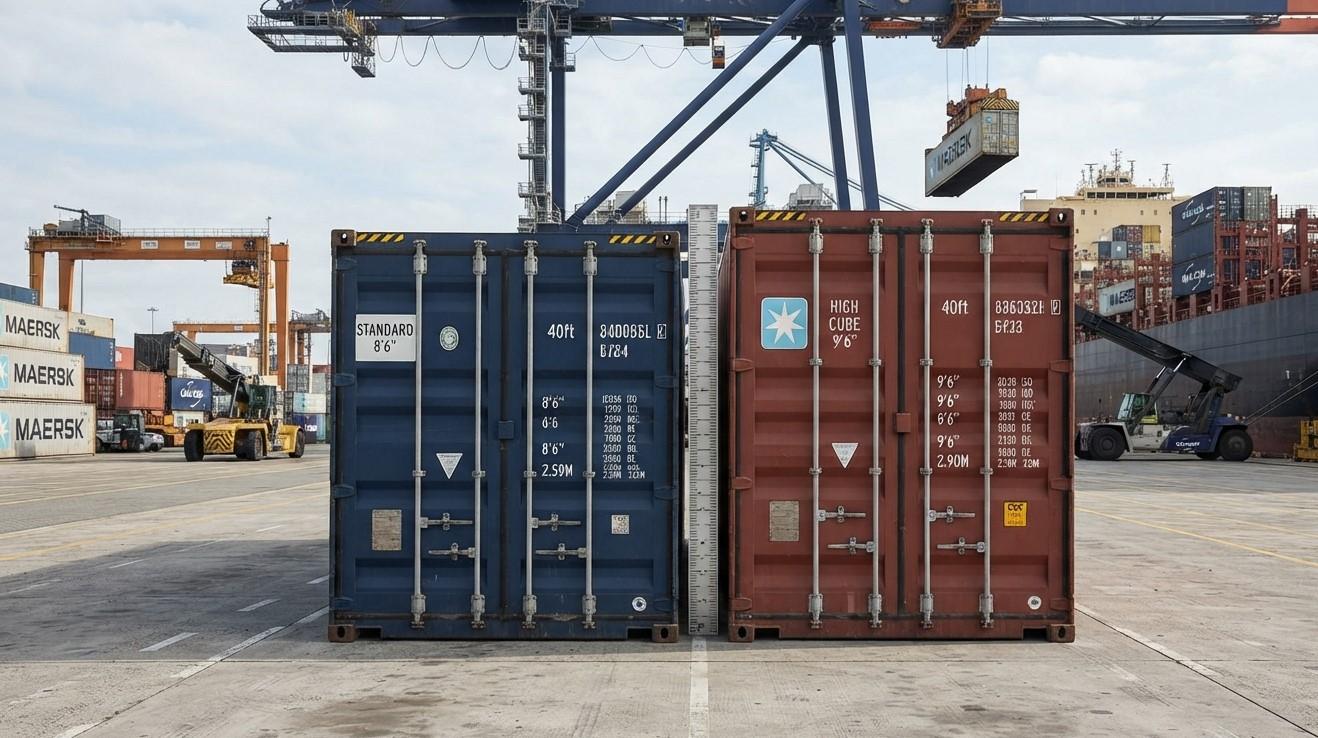
Shipping containers provide strong, enclosed storage for tools, equipment, inventory, household belongings, and business supplies. However, simply owning a steel container does not mean everything inside is automatically protected. Proper locks, smart placement, site security, and regular inspections can significantly improve the security of your container.
Whether you already own a container or are comparing storage containers for sale, it is worth planning security before you begin storing valuable items. Conex Hub offers new, used, and custom-fabricated containers for storage and other applications, giving buyers several options based on their intended use.
This guide explains practical ways to secure a shipping container, from choosing the right lock to selecting a safer location.
Table of Contents
- Why Shipping Container Security Matters
- Choose a High-Quality Container Lock
- Use a Lock Box or Lock Shroud
- Choose a Secure Container Location
- Secure the Container to the Ground
- Improve Visibility Around the Container
- Add Lighting and Surveillance
- Protect the Inside of the Container
- Inspect Your Container Regularly
- FAQs
- Secure Your Storage With Conex Hub
Why Shipping Container Security Matters
Shipping containers are made for demanding transportation and storage environments, but their security depends on how they are configured and used.
A container with a strong steel body can still have a security weakness at the door if an inadequate lock is used. Similarly, placing a container in an isolated, poorly lit location can make unauthorized access easier.
A good security strategy combines several layers:
- A quality locking system
- A protected locking point
- Strategic container placement
- Adequate lighting
- Cameras or other monitoring
- Strong site access controls
- Regular inspections
This layered approach is generally more effective than relying on a single security device.
Choose a High-Quality Container Lock
One of the first steps in securing a shipping container is choosing an appropriate lock.
A heavy-duty lock designed for outdoor use can provide stronger protection than a basic padlock. Look for a lock that is resistant to weather, tampering, and unauthorized access.
Consider:
- Hardened construction
- Weather resistance
- Protected shackles
- Corrosion resistance
- A design suitable for container doors
The locking system should also match the container's door configuration. Standard doors, double doors, and modified containers may require different approaches.
Use a Lock Box or Lock Shroud
A lock box, sometimes called a lock shroud, is designed to protect the padlock from direct access.
Instead of leaving the lock exposed, the box surrounds or shields the locking mechanism. This can make it more difficult for someone to tamper with the lock.
For valuable inventory or equipment, combining a heavy-duty lock with a properly installed lock box can provide an additional layer of protection.
When purchasing a container, ask the supplier about available security upgrades or modifications if the standard configuration does not meet your requirements.
Choose a Secure Container Location
Where you place your container can be almost as important as the lock you use.
Whenever practical, place the container in an area that is:
- Visible from your home or business
- Well lit
- Accessible to authorized users
- Away from unnecessary public access
- On firm, stable ground
- Easy to inspect
Avoid creating hidden areas around the container where unauthorized activity could go unnoticed.
At the same time, make sure the location remains practical for delivery and future access.
Conex Hub recommends firm, dry, level ground for container placement and advises customers to keep delivery paths clear of overhead wires, low branches, and tight turns.
Secure the Container to the Ground
Depending on your location and the intended use, you may want to consider anchoring the container.
Anchoring can help reduce movement caused by environmental conditions and can add another layer of security. The appropriate anchoring method depends on the ground surface, container configuration, local conditions, and intended application.
For example, a container placed on a prepared foundation may require a different anchoring approach than one placed on compacted gravel.
If anchoring is important for your project, discuss the site conditions with a qualified professional or container supplier before installation.
Improve Visibility Around the Container
Good visibility can discourage unauthorized activity and make it easier to notice unusual activity.
Keep vegetation trimmed around the container and avoid placing large objects immediately around it that could obstruct your view.
You can also consider:
- Motion-activated lighting
- Security lights
- Perimeter fencing
- Controlled gates
- Warning signs
- Security cameras
The goal is to make the storage area easy to monitor while limiting unnecessary access.
Add Lighting and Surveillance
Security lighting can be especially useful for containers located away from a main building.
Motion-activated lights can alert people nearby when movement occurs while also making the area more visible.
Security cameras can provide another layer of monitoring. Depending on your site, you might use cameras that cover:
- The container doors
- The surrounding storage area
- Entry and exit points
- Nearby driveways
- Equipment stored outside
If the container is located at a remote job site, a camera system with remote monitoring may be particularly useful.
Protect the Inside of the Container
External security is only part of the solution. Organizing the inside of the container can also help protect your belongings.
Keep expensive equipment away from direct visibility when the doors are opened. Use shelving or storage systems to keep items organized and prevent valuable equipment from being easily accessed.
You can also:
- Keep an inventory of stored items
- Label equipment
- Photograph valuable property
- Use internal locking cabinets for smaller valuables
- Avoid storing unnecessary high-value items
- Maintain adequate ventilation to protect stored goods
Conex Hub offers containers in different conditions and configurations, including cargo-worthy and wind-and-water-tight options. Its quote guidance explains that WWT containers are intended to be sealed and secure for storage.
Inspect Your Container Regularly
Security is not a one-time task.
Inspect the container periodically for signs of:
- Damaged locks
- Door problems
- Corrosion
- Broken hinges
- Gaps or damage around the doors
- Tampering
- Water intrusion
- Changes to the surrounding area
Check the locking system whenever you open and close the container. If anything appears damaged or unusual, address it promptly.
Regular inspections can also help you identify maintenance issues before they become more serious.
Consider the Container's Condition Before Buying
If you're comparing storage containers for sale, don't focus exclusively on price or size. The condition of the container matters too.
New one-trip containers have typically completed a single voyage and arrive in near-new condition. Used containers can offer a more budget-conscious option and are commonly used for storage and projects. Conex Hub describes its used containers as structurally sound and wind and watertight.
Ask about:
- Door condition
- Locking mechanisms
- Container condition grade
- Previous use
- Signs of corrosion
- Floor condition
- Weather resistance
- Available security modifications
Choosing the right container from the beginning can make it easier to create a secure storage setup.
How to Find a Secure Container Near You
If you're searching for a shipping container for sale near me, compare more than just the advertised container. Consider the condition, security features, delivery options, placement requirements, and intended use.
Conex Hub provides new and used containers in multiple sizes and configurations and offers delivery options based on the customer's location and site conditions. Its quote process allows buyers to provide container requirements and a delivery address so availability and delivery options can be assessed.
Before ordering, measure your site and determine where the container will be placed. This makes it easier to plan both delivery and security.
FAQs
What is the best way to secure a shipping container?
A combination of a high-quality lock, protected locking system, secure placement, lighting, surveillance, and regular inspections can provide a strong overall security strategy.
Are shipping containers difficult to break into?
Shipping containers have strong steel construction, but security still depends on the doors, locking hardware, container condition, and surrounding site. A properly protected locking system can help reduce vulnerabilities.
Should I use a lock box on my shipping container?
A lock box can protect the padlock and locking mechanism from direct access. It is a useful security upgrade, particularly when valuable equipment or inventory is stored inside.
Can I anchor a shipping container?
Anchoring may be appropriate depending on the site and application. The correct method depends on the ground conditions, container, and local requirements, so professional guidance may be appropriate.
Where should I place a shipping container for better security?
Whenever practical, place it somewhere visible, well lit, accessible to authorized users, and away from unnecessary public access. Keep the surrounding area clear enough for regular inspections.
Are used shipping containers secure?
A properly maintained used container can provide secure storage. However, inspect the doors, locking system, floor, roof, and overall condition before purchasing.
Can I add security features to a shipping container?
Yes. Depending on the container, security features can include upgraded locks, lock boxes, lighting, surveillance, fencing, anchoring, and other modifications.
Secure Your Storage With Conex Hub
A shipping container can be an excellent storage solution, but protecting what you put inside requires more than simply closing the doors.
Start with a suitable container, install a quality locking system, choose a strategic location, maintain good visibility, and inspect the unit regularly. For valuable inventory or equipment, consider adding lighting, cameras, fencing, and other layers of protection.
Whether you're looking at shipping containers for sale for business use or comparing storage containers for sale for personal storage, Conex Hub can help you evaluate container sizes, conditions, configurations, and delivery requirements.
If you're ready to find a container that fits your storage and security needs, request a quote from Conex Hub and provide your container requirements and delivery location.
Categorie
Leggi di più
Accurate land information is essential for successful property development, construction, and land management. However, many projects encounter challenges related to boundaries, site conditions, legal descriptions, and construction layout. These issues can lead to delays, disputes, and unexpected costs if they are not addressed properly. Expert Land Surveying Services help identify...

According to the latest report published by Data Bridge Market Research, the Alpaca Fiber Market CAGR Value Data Bridge Market Research analyses that the global alpaca fiber market which was USD 119.94 Billion in 2022, would rocket up to USD 160.39 Billion by 2030, and is expected to undergo a CAGR of 3.20% during the forecast period. An excellent Alpaca Fiber...

Buy GitHub Accounts Buy In the fast-paced world of tech and software development, having a strong online presence is essential. Enter GitHub, the platform where millions of developers showcase their work, collaborate on projects, and contribute to open-source initiatives. But did you know that purchasing GitHub accounts can give your business an edge? Whether you’re looking to expand your...

The equipment a player chooses can influence comfort, confidence, and consistency during every pickleball session. Among all the items in a player's collection, the paddle deserves particular attention because it is involved in almost every point. A suitable paddle can help players develop more consistent timing, improve ball placement, and feel comfortable during extended practice sessions....

The Articaine Hydrochloride Market is experiencing steady growth, driven by rising demand for effective local anesthetics in dentistry coupled with expanding dental care infrastructure worldwide. Innovations in formulation, regulatory approvals, and shifting preference toward faster onset anesthetics are key accelerators. The market valuation is estimated to be around USD...