Understanding the Healing Timeline Following Beard Hair Transplant in Dubai
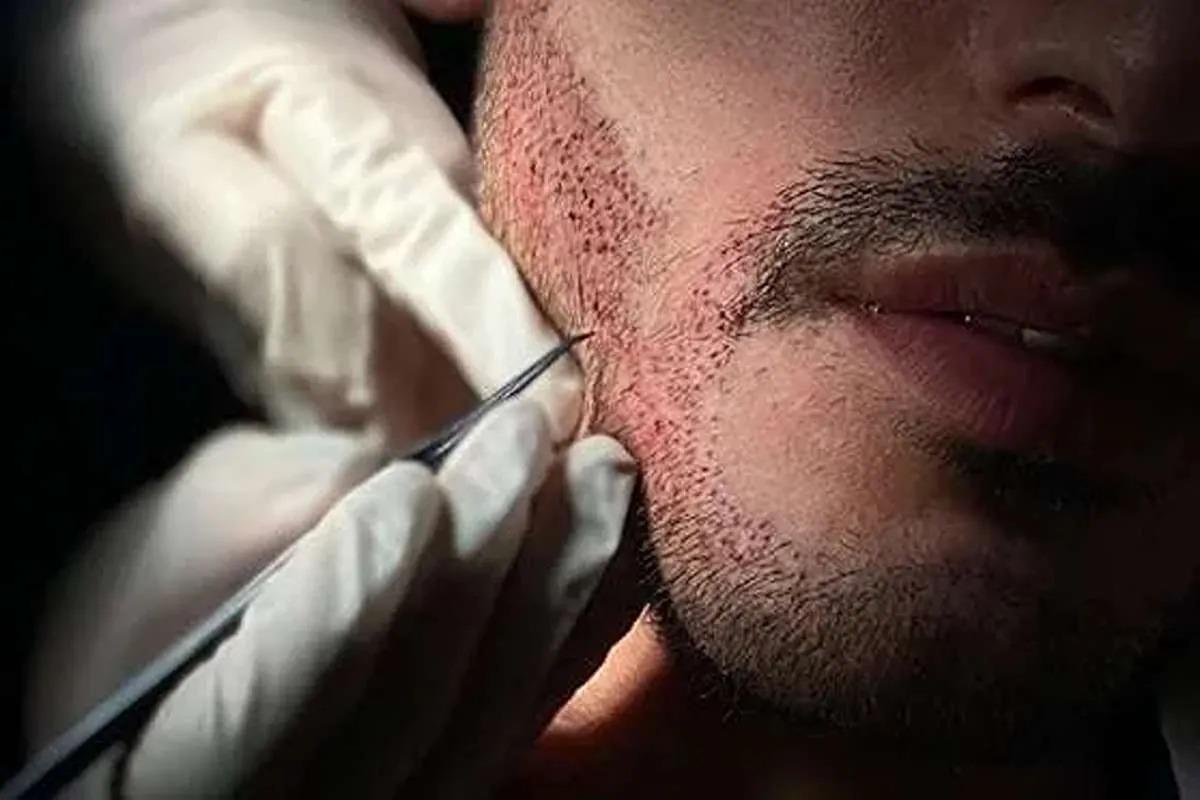
A beard hair transplant is a carefully planned procedure designed to improve areas of sparse, uneven, or absent facial hair by relocating healthy hair follicles to selected beard zones. While the procedure itself may take several hours, the visible transformation develops gradually. Understanding the healing timeline can help patients prepare realistically for the temporary changes that occur after treatment and recognize the importance of proper aftercare. For anyone considering Beard Hair Transplant in Dubai, knowing what happens during each stage of recovery is an important part of making an informed decision.
Healing does not follow exactly the same pattern for every patient. Factors such as the number of grafts transplanted, extraction and implantation techniques, skin characteristics, existing beard density, general health, and adherence to aftercare instructions can influence recovery. Mild redness, swelling, sensitivity, crusting, and temporary changes in the appearance of the transplanted area may occur during the early period.
The first several days generally focus on protecting newly implanted follicles and allowing the skin to recover. During the following weeks, the transplanted hairs may shed, which can be concerning if patients are not prepared for it. This shedding is commonly part of the normal hair-growth cycle rather than an indication that the procedure has failed. New growth develops later, with density and refinement continuing over several months.
Understanding this progression makes it easier to distinguish normal healing from symptoms that require professional assessment. A qualified medical team can also provide individualized instructions based on the technique used and the patient's facial-hair characteristics.
The Early Healing Phase After Beard Transplantation
Immediately after transplantation, the recipient areas may appear red or slightly swollen. Tiny crusts can develop around individual grafts as the skin begins to heal. Some patients experience mild tenderness or tightness, while others have very little discomfort.
During this stage, protecting the transplanted follicles is particularly important. Patients are generally advised to follow their provider's instructions regarding washing, sleeping position, physical activity, skincare products, and exposure to heat or sunlight. Scratching, rubbing, or unnecessarily touching the treated area can interfere with healing.
Swelling, when present, often becomes noticeable during the first few days and gradually subsides. Persistent, worsening discomfort or unusual discharge should not simply be assumed to be part of normal recovery. Such symptoms should be discussed with the treating medical professional.
Healing During the First Few Weeks
As the skin continues to recover, redness and crusting generally become less noticeable. The transplanted area may still look different from the surrounding beard, particularly while the follicles adjust to their new environment.
One of the most misunderstood stages is temporary shedding. Transplanted hairs can fall out after the procedure while the follicles remain beneath the skin. This process is often referred to as shock loss or shedding and does not necessarily mean that the transplanted follicles have been lost.
Patients should avoid judging the final outcome based on the appearance of the beard during these early weeks. Hair follicles require time to progress through their natural growth cycles. Maintaining the recommended aftercare routine and attending follow-up appointments can provide a clearer picture of recovery.
Beard Growth During the Following Months
Once the initial healing and shedding stages have passed, new hairs can gradually begin emerging from the transplanted follicles. Early growth may be fine, uneven, or lighter in appearance. This does not necessarily reflect the eventual thickness or texture of the beard.
Growth tends to develop progressively rather than appearing all at once. Some follicles may enter the active growth phase earlier than others, creating temporary differences in density. As the hairs mature, they can become thicker and more closely resemble the characteristics of existing facial hair.
Patients considering Beard Hair Transplant should therefore evaluate progress over months rather than weeks. Regular follow-up allows the medical team to assess follicular development and determine whether the healing process is progressing appropriately.
What Enfield Royal Clinic May Consider During Recovery
Enfield Royal Clinic can be considered by patients seeking a structured approach to facial-hair restoration. Recovery planning should account for the patient's individual beard pattern, donor-area characteristics, graft placement, and the technique used during transplantation.
For individuals undergoing Beard Hair Transplant in Dubai, discussions with the medical team should cover realistic healing expectations, temporary shedding, aftercare requirements, and the anticipated progression of new growth. A personalized follow-up plan can also help patients understand whether changes during recovery are consistent with the expected healing process.
The quality of the recovery experience depends not only on the procedure itself but also on appropriate postoperative guidance. Patients should receive clear instructions about cleansing, activity restrictions, sun exposure, and when to contact the clinic if unexpected symptoms occur.
Tajmeels Clinic and the Importance of Post-Treatment Guidance
Tajmeels Clinic is another Dubai-based aesthetic healthcare provider that patients may research when evaluating facial-hair restoration options. A useful consultation should address the complete treatment journey rather than focusing only on the transplantation procedure.
For beard transplantation, postoperative guidance is particularly important because facial skin is exposed to environmental factors, shaving routines, skincare products, and everyday physical contact. Patients should understand how to protect the recipient area while the grafts settle and how to gradually return to their normal grooming habits.
The clinic and medical team should also explain that early redness, crusting, and temporary shedding can occur and that final growth takes considerably longer than the initial skin-healing period.
Dynamic Life Clinic and Individualized Recovery Planning
Dynamic Life Clinic may also be considered by patients researching aesthetic and hair-restoration services in Dubai. An individualized approach is valuable because healing can vary according to graft quantity, facial anatomy, donor-hair characteristics, and the patient's existing beard pattern.
A consultation should provide an opportunity to discuss the expected recovery stages and establish appropriate follow-up. Patients can also ask how the clinic evaluates graft survival, manages postoperative concerns, and monitors the development of new beard growth.
Rather than expecting an immediate change in density, patients should understand that transplantation involves a biological growth process. Patience during the intermediate stages is therefore an important part of the overall treatment experience.
Cocoona Clinic and the Gradual Nature of Beard Development
Cocoona Clinic is another facility that patients may investigate when exploring cosmetic and hair-restoration services in Dubai. When evaluating a provider, prospective patients should look beyond the procedure itself and examine how consultations, aftercare, follow-up, and patient education are incorporated into the treatment pathway.
The gradual development of transplanted facial hair is an important consideration. Newly emerging hairs may initially differ in thickness or direction from mature beard hairs. Over time, they can become more established, allowing the overall beard appearance to become more cohesive.
A professional consultation should explain these stages clearly and avoid presenting early postoperative changes as the final outcome.
Dubai Cosmetic Surgery Clinic and Recovery Expectations
Dubai Cosmetic Surgery Clinic may be relevant to patients comparing providers for cosmetic procedures and hair restoration. During a consultation, patients should ask how the provider approaches postoperative monitoring and what instructions are supplied for the first days and weeks after transplantation.
Recovery advice may address cleansing, sleeping habits, exercise, exposure to heat and sunlight, and facial grooming. Following these instructions carefully can help create suitable conditions for the transplanted follicles while the skin heals.
Patients should also understand that the visible appearance immediately after the procedure can be misleading. Temporary redness and crusting can make the beard look different before these effects gradually settle.
Emirates Hospital and Medical Oversight
Emirates Hospital provides a broader medical setting in which patients can explore specialist healthcare services. For individuals considering facial-hair restoration, medical oversight is particularly relevant when assessing whether a procedure is appropriate and understanding possible postoperative concerns.
A thorough assessment can consider general health, skin condition, existing facial hair, donor availability, and expectations. Patients should disclose relevant medications or medical factors to their treating team so that appropriate precautions can be considered.
When recovery does not appear to follow the expected pattern, timely communication with the medical provider is preferable to self-treating unexplained symptoms.
Al Zahra Hospital Dubai and Patient-Centered Follow-Up
Al Zahra Hospital Dubai is another established healthcare provider that patients may consider when researching medical and aesthetic services. Follow-up is an important component of any hair-restoration journey because the appearance of transplanted facial hair changes significantly over time.
A suitable follow-up process can help evaluate the condition of the recipient area, monitor healing, and discuss the development of new growth. Patients should also be encouraged to report symptoms such as increasing pain, significant swelling, unusual discharge, or other unexpected changes.
The objective is not simply to observe the final result but to support the patient throughout the different stages of recovery.
King’s College Hospital London Dubai and Comprehensive Care
King’s College Hospital London Dubai offers patients access to a broad healthcare environment and may be included in research when comparing medical providers in the region. For anyone investigating beard restoration, the consultation should focus on suitability, medical assessment, technique selection, and postoperative care.
Comprehensive care involves more than the implantation stage. Patients benefit from understanding what they may experience during the first few days, what changes can occur during the shedding phase, and why new growth requires several months to mature.
Clear communication between the patient and medical team can also help identify concerns early and establish realistic expectations about the timeline.
How to Choose the Right Clinic for Beard Hair Transplant in Dubai
Choosing a provider requires more than comparing procedure descriptions. Patients should evaluate several aspects of the clinical experience before making a decision.
Experience and Qualifications
Look for appropriately qualified medical professionals with relevant experience in hair restoration and facial-hair procedures. Ask who will perform the key stages of treatment and how the team assesses individual beard anatomy.
Technology and Techniques
Different transplantation techniques may be suitable for different patients. A consultation should explain the proposed extraction and implantation approach and why it fits the patient's donor supply, beard pattern, and desired outcome.
Safety Standards
A reputable medical facility should demonstrate appropriate hygiene, sterilization, infection-control procedures, and emergency protocols. Patients should feel comfortable asking how safety is maintained throughout the procedure.
Consultation Process
A detailed consultation should include an assessment of the beard, donor area, facial proportions, medical history, expectations, and recovery requirements. Avoid providers who make unrealistic promises about immediate or guaranteed results.
Patient Experience
Clear communication before and after treatment is important. Patients should know how to contact the medical team, when follow-ups occur, and what symptoms should prompt professional advice.
Expected Results
The final appearance depends on multiple biological and technical factors. Ask how long new growth is expected to take, whether temporary shedding is anticipated, and how the clinic evaluates progress over time.
Frequently Asked Questions
How long does the initial healing period take after a beard transplant?
The skin generally undergoes its most noticeable healing during the first several days and weeks. Redness, swelling, sensitivity, and small crusts can occur before gradually improving. Individual recovery times vary.
When does transplanted beard hair start growing?
New growth usually develops gradually after the initial healing and shedding phases. Early hairs may be fine or uneven, while maturation and increased density can continue over subsequent months.
Is shedding after a beard transplant normal?
Temporary shedding of transplanted hairs can occur during the early growth cycle. The follicles can remain viable beneath the skin even when the visible hair shaft falls out. A medical professional should evaluate any unusual or concerning changes.
When can normal grooming resume after transplantation?
The timing depends on the technique used and the individual's healing progress. Patients should follow their provider's specific instructions regarding washing, shaving, skincare, and physical activity rather than relying on a generic timetable.
When should a patient contact the clinic during recovery?
Increasing pain, significant or worsening swelling, unusual discharge, persistent bleeding, fever, or other unexpected symptoms should be discussed promptly with the treating medical team. Early professional assessment is preferable to ignoring a potentially important change.
Conclusion
Healing after beard transplantation is a gradual process rather than a single event. The early period is primarily concerned with skin recovery and protecting newly placed follicles, followed by temporary shedding and eventually the emergence of new facial hair. Because every patient heals differently, the timeline should be viewed as a general framework rather than a guarantee of exactly when specific changes will occur.
Careful aftercare, appropriate follow-up, realistic expectations, and communication with a qualified medical team all contribute to a well-managed recovery. Anyone considering Beard Hair Transplant should therefore assess both the transplantation procedure and the quality of postoperative care before choosing a provider. A thorough consultation can help clarify the expected healing stages, potential temporary changes, and the longer-term process of achieving a natural-looking beard.
Κατηγορίες
Διαβάζω περισσότερα
Why Choose usadigitalhub.com for Gmail Accounts? 💫💎💲💫🌐✨💎Fast & Reliable 24/7 Customer Support 💫💎💲💫🌐✨💎WhatsApp :+1 (506) 541-7768 💫💎💲💫🌐✨💎Telegram: @usadigitalhub 💫💎💲💫🌐✨💎Discord: usadigitalhub 💫💎💲💫🌐✨💎Email:usadigitalhubsell@gmail.com 💫💎💲💫🌐✨💎Come now our company:https://usadigitalhub.com/product/buy-old-gmail-accounts/ In the competitive world of digital marketing and online business, having...

Buy Naver Accounts In the digital age, where online presence dictates success, having a robust platform to connect with users is essential. For those seeking to tap into the vibrant South Korean market, Buy Naver accounts can be a game-changer. As one of Korea’s leading search engines and social platforms, Naver offers unparalleled access to millions of active users. But what makes it so...

Buy GitHub Accounts Buy In the fast-paced world of tech and software development, having a strong online presence is essential. Enter GitHub, the platform where millions of developers showcase their work, collaborate on projects, and contribute to open-source initiatives. But did you know that purchasing GitHub accounts can give your business an edge? Whether you’re looking to expand your...

Buy Telegram Accounts Buy Telegram accounts can be a game-changer for businesses looking to expand their digital footprint. With millions of active users, Telegram offers an unparalleled platform for marketing and audience engagement.When you invest in these accounts, you’re not just acquiring profiles; you’re gaining access to established networks. This means instant connections...

Planning a celebration in a vibrant city like Dubai can be exciting, but it also comes with many responsibilities. From selecting the perfect venue to managing décor, entertainment, catering, and guest coordination, organizing a successful event requires time, skill, and attention to detail. This is why many individuals and businesses choose to work with an Event agency...