Digital Signage Market Size, Trends & Forecast 2035
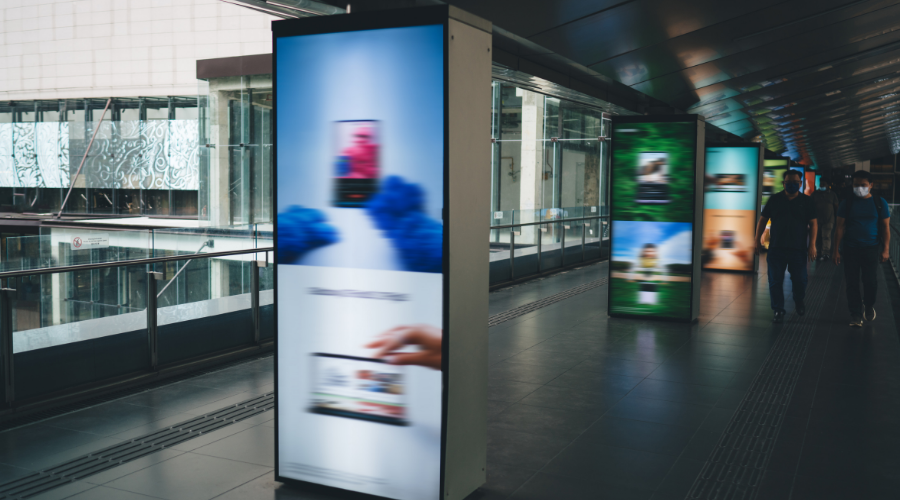
Digital signage has become a central communication and engagement tool across modern commercial and public environments. Instead of relying on static posters or printed notices, organizations can use networked displays to deliver dynamic content, advertisements, directions, alerts, product information and real-time updates.
The global digital signage market reached USD 28.54 billion in 2025 and is projected to grow at a 7.90% CAGR from 2026 to 2035, reaching approximately USD 61.05 billion by 2035, according to the market figures supplied for this analysis.
The technology is now used far beyond traditional retail advertising. Airports use digital screens for wayfinding and flight information, hospitals use displays for navigation and patient communication, schools use them for announcements, hotels use them to enhance guest experiences, and financial institutions use digital displays to communicate products and services.
The market's evolution is being accelerated by falling display costs, higher-resolution screens, cloud-based content management, interactive kiosks, artificial intelligence and improvements in LED technology. As organizations increasingly compete for attention in crowded physical spaces, the ability to deliver timely and personalized visual communication is becoming a strategic advantage.
What Is Driving Growth in the Digital Signage Market?
The digital signage market is expanding because businesses and public organizations need more flexible, engaging and measurable ways to communicate with audiences. Falling display costs, better connectivity, cloud-based management and the shift from static advertising to dynamic content are strengthening demand.
Traditional signs are limited because changing their content generally requires printing, physical installation or manual replacement. Digital signage removes much of this friction. A retailer can update promotions across hundreds of stores from a central platform, while an airport can change travel information within seconds.
Advertising is another major driver. Digital out-of-home advertising allows brands to deliver visually rich campaigns in shopping centers, transit hubs, streets and entertainment venues. Unlike static displays, digital screens can change messages according to time, location, audience or events.
The growth of connected infrastructure is also important. Modern displays can be integrated with point-of-sale systems, customer analytics, sensors, cameras, social-media feeds and enterprise databases. This transforms a screen from a simple display device into part of a broader digital communication system.
Retailers are particularly interested in this capability because physical stores increasingly need to compete with online shopping. Digital signage can help create a more interactive environment while providing information that supports purchasing decisions.
How Is Digital Signage Becoming More Interactive?
Digital signage is moving from one-way broadcasting toward interactive experiences. Touchscreens, QR codes, mobile integration, sensors and artificial intelligence can allow customers to move from simply viewing content to actively engaging with it.
Interactive kiosks provide a clear example. A customer can search for a product, compare options, check availability or complete part of a transaction without waiting for an employee.
In transportation, interactive screens can provide maps, directions and personalized travel information. In healthcare, digital wayfinding systems can help visitors navigate large hospitals and medical campuses.
QR codes also bridge physical and digital experiences. A customer viewing a product advertisement can scan a code to access additional product details, promotional offers or an online purchasing page.
Artificial intelligence adds another dimension. AI-powered systems can potentially adjust content based on context, analyze audience engagement or help organizations automate content creation and scheduling.
This does not mean every digital sign needs to become interactive. For many applications, the value lies in delivering clear information at the right time. The market is therefore expanding across both simple networked displays and sophisticated interactive installations.
How Are Hardware, Software and Services Shaping the Market?
Hardware remains the physical foundation of digital signage, but software and services increasingly determine how effectively organizations can manage, personalize and measure their displays.
Digital signage hardware includes displays, media players, controllers, mounting systems and related infrastructure. Display selection depends heavily on the environment. Indoor retail signage may prioritize brightness, resolution and aesthetics, while outdoor displays require weather resistance and visibility under changing light conditions.
LCD technology remains widely used because it provides high image quality and is suitable for many indoor applications. LED displays, meanwhile, offer scalability, brightness and flexibility, making them particularly valuable for large-format installations and outdoor environments.
Video walls combine multiple displays or LED modules to create large visual surfaces. They are frequently used in control rooms, corporate environments, transportation facilities, retail stores and entertainment venues.
Transparent LED displays represent a more specialized category. They can allow businesses to maintain visibility through glass while simultaneously displaying digital content, making them attractive for storefronts and architectural applications.
Hardware alone, however, does not create an effective digital signage network. Software controls content scheduling, screen management, remote monitoring, user permissions and reporting. Cloud-based platforms are making it easier for organizations to manage geographically distributed displays from centralized systems.
Services support installation, content creation, network configuration, maintenance and technical support. For large deployments, these services can be as important as the display hardware because poorly configured systems can create operational problems and reduce the return on investment.
Which Digital Signage Technologies Are Transforming Displays?
LED, LCD, projection, media players and emerging display technologies are expanding the range of environments in which digital signage can be deployed. The choice depends on viewing distance, brightness requirements, installation size, content type and operating conditions.
LED has become particularly important for large-format displays because individual LED modules can be combined into screens of almost any size. High brightness makes LED suitable for outdoor environments and locations with significant ambient light.
LCD remains highly competitive for indoor applications such as retail, education, corporate offices and healthcare. Commercial-grade LCD displays can operate for extended periods and provide sharp images for menus, information panels and advertising.
Projection remains useful where extremely large images are required or where architectural flexibility matters. It can be deployed in museums, entertainment venues, education facilities and immersive installations.
Media players provide the computing layer that delivers content to screens. They can run scheduled playlists, display real-time information and connect to cloud-based content-management platforms.
The market is also moving toward system integration. A display may receive inventory information from a retail database, weather information from an external service or transportation data from an operational system.
This interoperability is increasingly important because organizations want digital signage to provide useful, context-specific information rather than repeatedly displaying generic promotional content.
Why Is LED Becoming More Important?
LED technology is gaining importance because it provides high brightness, scalability, long operating life and flexibility in screen size and configuration. These attributes make LED particularly suitable for outdoor advertising, stadiums, transportation hubs and premium retail environments.
Fine-pitch LED technology is also improving the viewing experience for indoor applications. Smaller pixel pitches allow LED displays to deliver high-resolution imagery at relatively close viewing distances.
This is expanding LED beyond traditional billboards and large outdoor screens. Luxury retail stores, corporate reception areas and control rooms can use fine-pitch LED to create seamless visual surfaces.
The ability to build unusual screen shapes is another advantage. Curved, column-mounted and architectural LED installations can turn a display into part of a building's visual design.
Where Is Digital Signage Being Used Across Industries?
Digital signage has become a cross-industry technology because organizations in retail, transportation, healthcare, education, hospitality, entertainment and BFSI all need to communicate information efficiently in physical environments.
Retail is one of the most commercially important applications. Digital displays can promote products, show prices, provide product information and support omnichannel strategies. Retailers can also change content based on store location, time of day or promotional schedules.
In transportation, displays provide flight, train and bus information, gate changes, directions and emergency messages. Airports and major railway stations particularly benefit because information changes constantly.
Healthcare organizations use signage for wayfinding, queue management, health information and internal communications. Large hospitals can be difficult to navigate, making clear digital directions valuable for patients and visitors.
In education, displays can provide announcements, event schedules, campus directions and emergency communications. Universities and schools can manage multiple screens across campuses from centralized systems.
Hospitality businesses use digital signage to improve guest experiences. Hotels can display event schedules, restaurant promotions, check-in information and directions to meeting rooms.
Entertainment venues, including stadiums and cinemas, use large digital displays to create immersive experiences, provide event information and deliver advertising.
In BFSI, digital signage can communicate financial products, branch information and queue updates. Financial institutions can use displays to make branches more informative without relying entirely on printed materials.
The diversity of these applications demonstrates that digital signage is becoming an infrastructure technology rather than simply an advertising medium.
How Are Indoor and Outdoor Digital Signage Markets Different?
Indoor signage generally prioritizes resolution, aesthetics, interactivity and integration with customer experiences, while outdoor signage emphasizes brightness, durability, weather resistance and visibility across long distances.
Indoor displays can be installed in controlled environments such as stores, hospitals, offices and educational buildings. This allows manufacturers to focus on image quality and design without having to accommodate extreme temperatures, moisture or direct sunlight to the same extent.
Outdoor systems face much harsher conditions. Displays must remain visible under direct sunlight and operate reliably despite rain, dust, temperature changes and other environmental factors.
Outdoor LED therefore has a strong position in large advertising displays, sports venues, transportation infrastructure and city environments. Brightness and durability become as important as resolution.
Location also influences content strategy. A screen inside a store may display product details and promotional offers, while a roadside display has only a few seconds to communicate a simple message.
This means successful digital signage requires more than selecting the right hardware. Content must be designed around viewing distance, audience behavior and the amount of time people have to process the information.
How Are Regional Digital Signage Markets Developing?
North America and Europe are mature digital signage markets with strong adoption in retail, transportation, corporate environments and public infrastructure, while Asia Pacific is experiencing significant opportunities due to urbanization, retail expansion and investment in smart infrastructure.
North America benefits from extensive commercial adoption and a mature digital-out-of-home advertising ecosystem. Retailers, airports, stadiums and corporate facilities have invested heavily in large display networks and centralized content management.
The United States is particularly important because advertisers increasingly view digital out-of-home media as part of broader omnichannel campaigns. Retail media is also creating opportunities for digital screens inside stores and shopping environments.
Europe has strong adoption across transportation, retail, hospitality and public-sector environments. Cities and transportation operators use digital displays to provide real-time information, while businesses increasingly integrate signage into customer-experience strategies.
Asia Pacific represents an especially important growth opportunity. Rapid urban development, expanding shopping centers, increasing investment in transportation infrastructure and strong electronics manufacturing capabilities support digital signage deployment.
China, Japan, South Korea and India have distinct market dynamics. China has extensive LED manufacturing and large-scale commercial deployments, Japan is known for sophisticated retail and transportation displays, South Korea has advanced display technology capabilities, and India offers significant long-term growth potential as organized retail and digital infrastructure expand.
Latin America is seeing increasing adoption in retail, entertainment, banking and transportation, while the Middle East is investing in visually prominent digital installations as part of hospitality, tourism, infrastructure and smart-city development.
Africa remains a developing market, with opportunities connected to retail modernization, telecommunications, transportation and public information systems.
Who Are the Leading Companies in the Digital Signage Market?
The competitive landscape includes display manufacturers, electronics companies, software providers and systems integrators. Competition is increasingly based on complete solutions that combine displays with content management, connectivity, analytics and services.
The companies identified in the supplied market scope include NEC Corporation, LG Electronics, Samsung Electronics, Panasonic, Sony and Planar Systems, alongside other market participants.
Samsung has a broad commercial-display portfolio spanning indoor signage, outdoor LED, video walls and interactive displays. Its extensive display technology capabilities allow it to address applications ranging from retail and hospitality to transportation and corporate environments.
LG Electronics competes across commercial displays, LED signage, digital kiosks and specialized solutions. Its display portfolio supports both conventional signage and increasingly sophisticated commercial environments.
Panasonic and Sony have strong reputations in professional visual technology and address applications requiring high image quality and reliable commercial operation.
NEC, through its professional display and visual-solutions businesses, has historically been prominent in corporate, education, transportation and control-room environments. Planar Systems specializes in professional display technologies, including LED and video-wall solutions.
Competition is also expanding beyond hardware. Cloud-based signage platforms, content-management systems and analytics are becoming important differentiators because customers increasingly want to manage large networks remotely.
The result is a market where hardware quality remains essential, but software usability and system reliability increasingly determine the long-term customer relationship.
What Challenges Could Affect Digital Signage Market Growth?
High installation costs, content-management complexity, cybersecurity, maintenance requirements and energy consumption can limit adoption. Organizations also need to ensure that digital displays deliver measurable value rather than simply adding visual technology to an environment.
The initial investment can be substantial, particularly for large LED walls, outdoor installations and multi-location networks. Costs extend beyond displays to mounting structures, media players, network connectivity, installation and ongoing maintenance.
Content is another challenge. A network of screens is only useful when it displays relevant and well-designed information. Organizations need processes for creating, approving, scheduling and updating content.
Cybersecurity is becoming increasingly important as displays become network-connected. Compromised signage systems could potentially be used to distribute unauthorized content or gain access to connected networks.
Energy consumption is another consideration, particularly for large and continuously operating displays. Advances in LED efficiency and intelligent power management can help, but organizations increasingly evaluate the environmental footprint of digital infrastructure.
There is also a risk of digital clutter. When too many screens compete for attention, audiences can become less responsive. Successful deployments therefore require thoughtful content strategy rather than simply increasing the number of displays.
What Is the Future Outlook for the Digital Signage Market?
The future of digital signage will be shaped by higher-resolution LED, AI-powered content, interactive displays, cloud management, audience analytics and deeper integration with retail, transportation and smart-building systems.
The supplied forecast indicates that the market could grow from USD 28.54 billion in 2025 to USD 61.05 billion by 2035, representing a 7.90% CAGR. This reflects a broader shift toward digitally managed physical environments.
AI will increasingly help organizations determine what content to display, when to display it and how to tailor it to specific audiences. However, responsible use of audience analytics will remain important, particularly where systems collect or infer information about individuals.
Retail is likely to be one of the most dynamic areas because digital signage can connect physical stores with digital commerce. Screens can display real-time inventory, personalized offers and online product information, creating a more integrated shopping experience.
Smart-city applications will also provide opportunities. Digital displays can communicate transportation updates, emergency alerts, public information and environmental data.
The convergence of signage with interactive kiosks, mobile devices, sensors and payment systems could eventually make digital displays part of transactional infrastructure rather than merely communication infrastructure.
Conclusion: Digital Signage Is Becoming Part of the Connected Physical World
The digital signage market is evolving from a replacement for printed signs into a sophisticated communication and engagement platform. Its growing role in retail, transportation, healthcare, education, hospitality, entertainment and public infrastructure demonstrates the flexibility of the technology.
With the market projected to increase from USD 28.54 billion in 2025 to USD 61.05 billion by 2035, businesses have substantial opportunities to use digital displays to improve customer experiences, streamline communication and generate advertising value.
Hardware will continue to matter, particularly as LED and high-resolution displays become more capable. But software, connectivity, analytics and content strategy will increasingly determine how much value organizations obtain from their investments.
The most successful deployments will not necessarily be the largest or most visually spectacular. They will be those that deliver relevant information at the right location and moment while integrating naturally with existing business systems.
As physical spaces become increasingly connected, digital signage is positioned to become an important interface between organizations and the people they serve. Its future will be defined not simply by brighter screens, but by smarter, more contextual and more useful experiences.
Kategorien
Mehr lesen
Buy Old Gmail Accounts Buy Are you exploring the digital landscape for a strategic advantage? If so, consider the potential of old Gmail accounts. They may seem like relics from a bygone era, yet they offer unique benefits that modern accounts simply can’t match. As businesses strive to build trust and credibility online, many are turning to these aged accounts as an essential tool in...

Are you looking to rejuvenate your appearance and restore a youthful glow to your skin without the need for invasive surgery? Venus Legacy in Riyadh As we age, our body’s natural production of collagen and elastin begins to decline, often leading to sagging skin, fine lines, and the unwanted appearance of cellulite. Fortunately, modern aesthetic technology provides non-surgical...

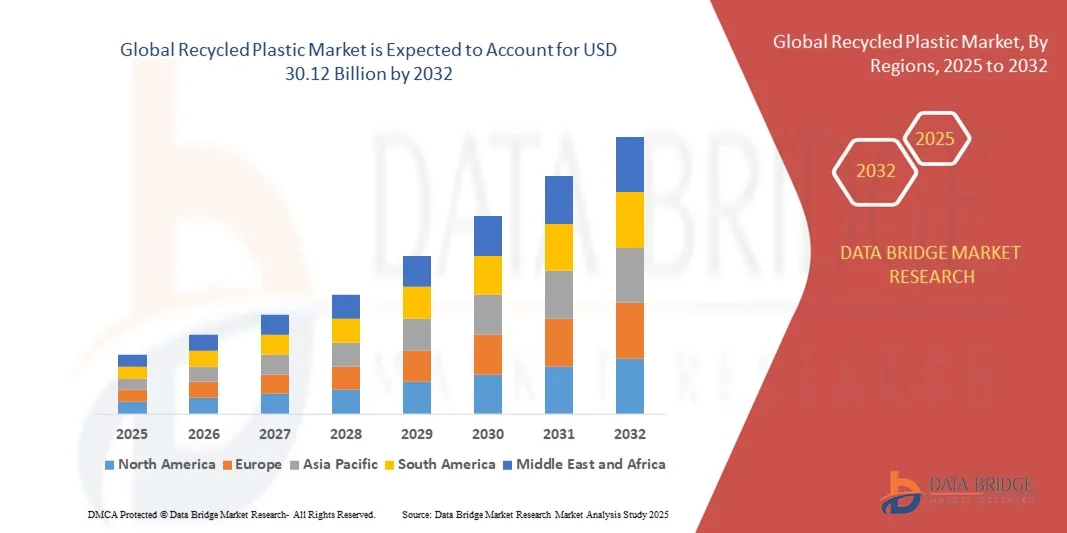
According to the latest report published by Data Bridge Market Research, the Recycled Plastic Market CAGR Value · The global recycled plastic market size was valued at USD 43.17 billion in 2024 and is expected to reach USD 30.12 billion by 2032, at a CAGR of 4.6% during the forecast period A top notch Recycled Plastic Market...
Custom fuzzy stickers are one of those small things that feel a bit different when you see them in real life. They are soft to the touch, and they carry a kind of playful look that stands out on packaging or personal items. People often use them when they want something simple but not boring. They are not just about design; they also bring a texture that feels warm in a way. In this guide, the...

Version 1.1's roadmap for Arknights: Endfield is the kind of thing busy players have been begging for, because guessing what's next is a pain when you're already squeezing dailies in between work and real life. If you're planning pulls, farming windows, or even looking into Arknights endfield boosting to keep your account moving when you can't log in much, the schedule finally gives you...