Laser Tattoo Removal and How Your Skin Processes Tattoo Ink

Tattoo ink is designed to remain in the skin for a long time, which is why removing unwanted designs can require a carefully planned approach. Laser tattoo removal in Riyadh (إزالة الوشم بالليزر في الرياض) works by targeting tattoo pigments beneath the skin while allowing the body to gradually process and clear the fragmented ink. Understanding how the skin responds to tattoo pigment can help people make more informed decisions about professional tattoo removal.
How Tattoo Ink Stays in the Skin
During tattooing, pigment particles are placed into the dermis, a deeper layer of the skin. Because these particles are larger than what the body's natural clearing systems can easily remove, much of the ink remains in place for years. The skin heals around the pigment, creating the permanent appearance associated with tattoos. Over time, some ink may naturally fade because of sun exposure, skin renewal, and other factors, but deeper pigment usually remains.
How Laser Tattoo Removal Works
Laser treatment uses concentrated light energy to target tattoo pigments without intentionally removing the surrounding skin. The laser energy is absorbed by the ink and breaks larger pigment particles into smaller fragments. These fragments can then be gradually processed by the body's natural immune and lymphatic systems. This process explains why tattoo removal does not usually happen instantly after a single treatment.
How Your Body Processes Broken Ink
After laser energy fragments the tattoo pigment, the body's natural processes become an important part of clearance. Immune cells can recognize and transport smaller pigment particles, allowing them to be gradually eliminated through normal biological pathways. This means the skin and immune system continue working after the laser session has finished. The visible tattoo may therefore continue to lighten during the weeks following treatment.
Why Tattoo Colors Respond Differently
Not every tattoo pigment reacts to laser energy in exactly the same way. Darker colors, particularly black ink, often respond differently from lighter shades such as green, blue, yellow, or certain red pigments. The type of ink, pigment depth, tattoo age, density, and laser technology can all influence the response. A professional assessment helps determine the most suitable approach for the specific tattoo.
Factors That Influence Ink Clearance
Several factors can affect how efficiently tattoo pigment fades. Tattoo size, ink density, pigment color, skin characteristics, tattoo location, and individual healing responses can all play a role. Older tattoos may sometimes appear lighter before treatment, while densely applied professional tattoos can contain more pigment. Because every tattoo is different, treatment planning should be personalized rather than based on a fixed expectation.
Why Multiple Treatment Sessions May Be Needed
Tattoo pigment is gradually fragmented and cleared rather than removed all at once. Each session can target remaining pigment, while the body needs time to process the fragmented particles. Allowing appropriate intervals between treatments supports the skin's recovery and gives the body time to continue clearing ink. The number of sessions varies depending on the tattoo and the individual's response to treatment.
What Happens During a Laser Tattoo Removal Session?
Before treatment, the skin and tattoo are assessed to understand pigment characteristics and determine an appropriate treatment plan. During the procedure, laser energy is delivered to the tattooed area, with the sensation varying between individuals. The treated skin may temporarily appear red, swollen, or irritated. These effects generally form part of the skin's normal response to the treatment and should be managed according to professional aftercare instructions.
Caring for Skin After Treatment
Post-treatment care is important for supporting healthy skin recovery. Keeping the area clean, avoiding unnecessary friction, protecting the skin from excessive sun exposure, and following the clinic's instructions can help reduce avoidable irritation. Patients should also avoid picking or scratching the treated area, particularly if temporary changes develop during healing. Proper aftercare supports the skin while the body continues processing fragmented pigment.
When Professional Tattoo Removal May Be Considered
People may consider tattoo removal when they no longer want a particular design, want to lighten an existing tattoo, or are looking for a cleaner appearance. Some individuals may also seek treatment because their tattoo no longer matches their personal style or circumstances. Professional evaluation is especially important when the tattoo contains multiple colors, dense pigmentation, or covers a sensitive or visible area.
Why Professional Treatment Matters
Choosing professional tattoo removal allows the treatment approach to be evaluated according to the tattoo's pigment, location, skin condition, and individual needs. Laser tattoo removal in Riyadh should be performed using appropriate technology and carefully planned settings to target unwanted pigment while prioritizing the surrounding skin. A qualified professional can also explain realistic expectations, treatment intervals, and aftercare requirements before beginning the process.
Understanding Your Skin's Role in Tattoo Clearance
Laser treatment is only one part of the tattoo removal process. The body's natural response plays a major role in gradually clearing fragmented pigment after each session. Understanding this process helps explain why results develop progressively rather than immediately. With an individualized treatment plan and appropriate skin care, Laser tattoo removal in Riyadh can be a practical option for people seeking to reduce the appearance of unwanted tattoo ink.
Book Your Consultation at Royal Clinic Saudi
If you are considering professional tattoo removal, Royal Clinic Saudi (عيادات رويال كلينك) can provide an assessment of your tattoo and skin to help determine an appropriate treatment approach. Book a consultation to discuss your goals, understand the expected process, and receive personalized guidance based on your tattoo characteristics.
FAQs:
How does laser tattoo removal break down tattoo ink?
Laser energy fragments tattoo pigment into smaller particles that the body can gradually process.
Why does tattoo ink not disappear immediately?
The body needs time to clear the fragmented pigment after laser treatment.
Do all tattoo colors respond the same way?
No, different pigments can respond differently to laser energy.
Why are multiple sessions often needed?
Several sessions may be required to progressively target and clear remaining pigment.
Categorii
Citește mai mult
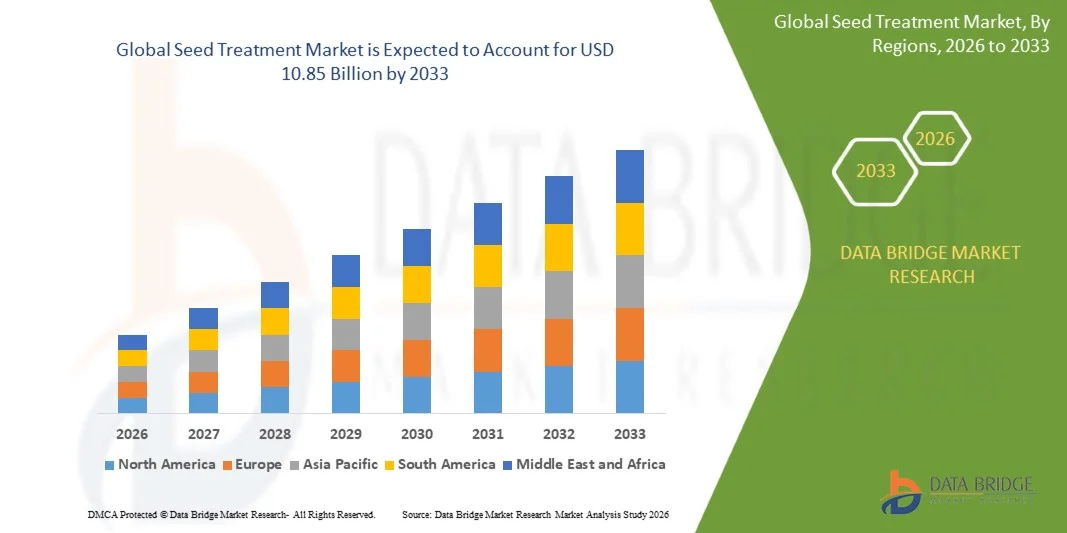
"According to the latest report published by Data Bridge Market Research, the Seed Treatment Market CAGR Value As per Data Bridge Market Research analysis, the seed treatment market was valued at USD 5.57 billion in 2025 and is projected to reach USD 10.85 billion by 2033, growing at a CAGR of 8.7% from 2026 to 2033 The market research data involved in the...
Remaining evening's Toronto Raptors match was therefore terrible that it doesn't warrant a yourself observed it, oneself your self didn't, the Raptors acquired blown out as a result of the Sixers https://www.torontofanstore.com/collections/garrett-temple-jersey, who welcomed back again the two Joel Embiid and Paul George into the didn't suck, although, was Kyle Lowry moving into the recreation...

Buy New & Old Twitter Accounts Are you looking to expand your social media presence quickly and effectively? Buying new or old Twitter accounts might be the solution you’ve been searching for. Whether you’re a business aiming to connect with a larger audience or an individual wanting to boost your personal brand, acquiring established Twitter accounts can save you time and...

Does Choosing Printed Cocktail Napkins Fast Mean Sacrificing Print Quality, Color Accuracy, or Material Durability? Event planners and hospitality buyers frequently face a pressing dilemma: the need for customized napkins on tight deadlines conflicts with concerns about production shortcuts. The assumption that expedited manufacturing inherently degrades output quality persists across many...

According to the latest report published by Data Bridge Market Research, the Mainframe Security Market Data Bridge Market Research analyses that the mainframe security market is expected to reach USD 162.76 million by 2030, which is USD 81.68 million in 2022, at a CAGR of 9.00% The persuasive Mainframe Security Market report explains market analysis based on regional, local as...