
Blockchain-Based Legal Contract Lifecycle Management in 2026: Making Business Agreements Programmable and Auditable
Contracts are the foundation of modern business relationships. Companies use agreements to manage suppliers, employees, customers, partners, investors, contractors, and service providers. Yet contract management remains heavily dependent on email attachments, document repositories, manual approvals, spreadsheets, and disconnected legal systems.
As businesses become increasingly digital, they need contract infrastructure that can provide stronger version control, clearer audit trails, automated obligations, and faster execution.
In 2026, blockchain technology is creating new opportunities for legal contract lifecycle management, allowing organizations to combine conventional legal agreements with verifiable digital records and programmable workflows.
A modern Blockchain Development Company can help businesses build contract-management infrastructure that connects legal documents with enterprise applications, identity systems, payment platforms, and smart contracts.
What Is Blockchain-Based Contract Lifecycle Management?
Contract lifecycle management covers the complete journey of a business agreement:
Drafting → Review → Negotiation → Approval → Signing → Execution → Monitoring → Renewal → Expiration
Blockchain can provide a verification layer throughout this lifecycle.
Instead of using blockchain to store the entire legal document, businesses can record selected information such as:
-
Document hash
-
Version identifier
-
Timestamp
-
Approval event
-
Signatory verification
-
Contract status
-
Amendment history
-
Execution event
The actual document can remain securely stored in conventional cloud or enterprise systems.
This hybrid model provides blockchain's verification benefits without forcing sensitive documents onto a public ledger.
Why Traditional Contract Management Is Challenging
Large organizations may manage thousands of contracts simultaneously.
Common problems include:
-
Multiple document versions
-
Missing approvals
-
Unclear amendment history
-
Expired agreements
-
Manual renewal tracking
-
Delayed payments
-
Disputed obligations
-
Difficult audits
-
Fragmented storage
A blockchain-enabled system can create a verifiable timeline of important contract events.
For example:
Draft Created → Legal Approved → Signed → Activated → Amended → Renewed
Each significant event can be associated with a verifiable record.
Blockchain for Contract Version Control
Contract negotiations can produce numerous versions.
A document may move between:
-
Legal teams
-
Procurement
-
Finance
-
Management
-
Vendors
-
Customers
When multiple versions circulate through email, determining the final approved document can become difficult.
A blockchain-based system can create a cryptographic fingerprint for each approved version.
If a document changes, its fingerprint changes.
This allows authorized users to verify whether a particular document corresponds to the approved version.
Blockchain therefore provides a strong mechanism for document integrity verification.
Digital Signatures and Blockchain
Digital signatures already provide important mechanisms for authenticating agreements.
Blockchain can complement digital-signature infrastructure by recording evidence that a signing event occurred.
A possible workflow is:
Contract → Digital Signature → Verification → Blockchain Timestamp → Contract Activation
The blockchain does not necessarily replace legally recognized electronic-signature systems.
Instead, it can provide an additional tamper-resistant record of relevant events.
Organizations must still follow applicable electronic-signature and contract laws in the jurisdictions where they operate.
Smart Contracts and Legal Agreements
Smart contracts are programs that automatically execute predefined rules.
They can complement traditional legal contracts when certain obligations can be expressed in machine-readable form.
For example, a commercial agreement might state that a payment is due after an approved delivery.
A smart contract could support:
Delivery Verified → Contract Condition Satisfied → Payment Workflow Triggered
Other potential applications include:
-
Subscription payments
-
Escrow
-
Royalty distribution
-
Supplier incentives
-
Performance-based payments
-
Service-level penalties
-
Automated renewals
A blockchain smart contract development agency can translate suitable contractual rules into secure programmable workflows.
Not every legal obligation can or should be automated.
Contract Obligations as Digital Workflows
Contracts contain numerous obligations.
For example:
-
Deliver goods by a specific date
-
Submit reports monthly
-
Maintain insurance
-
Meet service-level requirements
-
Make scheduled payments
-
Renew certifications
A blockchain-enabled contract platform can represent selected obligations as digital tasks.
The workflow could become:
Contract Clause → Digital Obligation → Data Verification → Status Update → Notification
This can help organizations move from passive document storage toward active contract management.
Automated Payment Conditions
One of the strongest use cases involves financial obligations.
Consider a service contract with monthly payments.
The contract-management platform could verify:
-
Service period completed.
-
Required performance conditions satisfied.
-
Invoice approved.
-
Payment obligation activated.
-
Financial system processes payment.
-
Blockchain records the relevant event.
This can reduce manual reconciliation between legal, operational, and financial departments.
Blockchain for Procurement Contracts
Procurement teams manage large volumes of supplier agreements.
Blockchain-based contract infrastructure can connect:
Supplier → Contract → Purchase Order → Delivery → Inspection → Invoice → Payment
This provides a stronger relationship between contractual obligations and actual business activity.
A supplier agreement could define acceptable delivery conditions, while connected enterprise systems provide evidence that those conditions were met.
The blockchain can then preserve selected verification events.
Managing Contract Amendments
Contracts frequently change.
Examples include:
-
Pricing changes
-
Delivery modifications
-
Scope adjustments
-
Renewal terms
-
Service-level changes
-
New regulatory requirements
Each amendment should have a clear relationship to the original agreement.
Blockchain can help create an immutable chronology:
Original Contract → Amendment 1 → Amendment 2 → Amendment 3 → Current Version
Authorized users can verify when changes occurred and which version is currently recognized by the system.
Blockchain and Contract Renewal
Contract expiration can create operational risk.
An organization may accidentally continue operating under an expired agreement or miss an important renewal deadline.
A blockchain-based lifecycle platform can connect contract dates with automated notification systems.
For example:
Expiration approaching → System detects event → Responsible team notified → Renewal workflow initiated
Smart contracts can also help manage automatically renewable agreements when the relevant conditions are clearly defined.
AI-Powered Contract Analysis
Artificial intelligence can significantly expand blockchain-based contract lifecycle management.
AI systems can analyze contracts to identify:
-
Important clauses
-
Payment terms
-
Renewal dates
-
Obligations
-
Potential conflicts
-
Compliance requirements
-
Missing information
Blockchain can complement AI by providing verifiable records of:
-
Which contract version was analyzed
-
When analysis occurred
-
Which version was approved
-
When amendments were made
A potential architecture is:
Contract → AI Analysis → Human Review → Approval → Blockchain Verification
Blockchain should not be treated as proof that an AI interpretation is legally correct. Human legal review and appropriate governance remain essential.
Privacy in Blockchain Contract Management
Legal agreements often contain confidential information.
This may include:
-
Pricing
-
Customer information
-
Intellectual property
-
Employee data
-
Financial terms
-
Business strategies
-
Supplier agreements
Putting this information directly on a public blockchain is generally inappropriate.
A better architecture can use:
Private document storage + encryption + access controls + blockchain proofs
The blockchain stores evidence about the document rather than the sensitive content itself.
This can provide integrity verification while maintaining confidentiality.
Permissioned Blockchain for Enterprises
Enterprise contract networks often involve known participants.
A permissioned blockchain can provide controlled access for:
-
Legal teams
-
Procurement departments
-
Suppliers
-
Customers
-
Auditors
-
Financial institutions
-
Regulators
Access policies can determine which users can:
-
View records
-
Submit documents
-
Approve agreements
-
Execute workflows
-
Verify signatures
-
Access audit information
This makes blockchain more practical for enterprise environments where privacy and governance are critical.
Architecture of a Blockchain Contract Platform
A scalable contract-management platform can contain several layers.
1. Identity Layer
Manages identities for:
-
Organizations
-
Employees
-
Suppliers
-
Customers
-
Legal representatives
2. Document Layer
Stores encrypted contracts and supporting documentation off-chain.
3. Verification Layer
Creates cryptographic proofs and records important contract events.
4. Smart Contract Layer
Automates:
-
Contract states
-
Approvals
-
Payment conditions
-
Obligations
-
Renewal workflows
5. Enterprise Integration Layer
Connects with:
-
ERP systems
-
CRM platforms
-
Procurement software
-
Accounting systems
-
Payment platforms
-
Document-management systems
6. Application Layer
Provides dashboards for legal, finance, procurement, management, and external partners.
Benefits of Blockchain-Based Contract Management
Stronger Document Integrity
Organizations can verify that important documents have not been altered unexpectedly.
Better Auditability
Important lifecycle events can be recorded in a verifiable timeline.
Faster Workflows
Smart contracts can automate clearly defined processes.
Improved Version Control
Organizations can establish relationships between original contracts and amendments.
Better Cross-Organization Coordination
Multiple parties can verify shared events without depending entirely on a single database.
Reduced Administrative Work
Automated notifications and workflow triggers can reduce repetitive manual tasks.
Blockchain and Legal Compliance
Blockchain-based contract systems must be designed around applicable legal frameworks.
Important considerations include:
-
Electronic-signature requirements
-
Data-protection regulations
-
Records-retention rules
-
Jurisdictional requirements
-
Contract enforceability
-
Identity verification
-
Financial regulations
Blockchain technology should support legal processes rather than assume that an on-chain record automatically creates legal validity.
Legal and compliance teams should participate in system design from the beginning.
Role of Web3 in Contract Management
Web3 infrastructure can introduce decentralized identity, verifiable credentials, wallets, and blockchain-based applications into contract ecosystems.
A Web3 Development Company can build interfaces that allow authorized parties to interact with digital agreements and blockchain-based workflows.
For enterprise users, however, the interface should remain familiar.
Users should be able to approve, review, and monitor contracts without needing deep knowledge of blockchain technology.
Building Contract Lifecycle Solutions With HyprForge
HyprForge can help businesses explore blockchain applications for contract verification, workflow automation, digital identity, smart contracts, and enterprise integration.
As a Blockchain Development Company, HyprForge can support blockchain architecture, smart contract development, decentralized applications, APIs, and secure digital infrastructure.
Businesses seeking a blockchain app development company can develop customized contract-management platforms that connect legal, procurement, finance, suppliers, customers, and enterprise systems.
Solutions can incorporate permissioned blockchain networks, smart contracts, digital signatures, encrypted storage, identity systems, AI integrations, APIs, and cloud infrastructure.
Future of Blockchain-Based Contract Management
Contract management is moving toward increasingly automated digital workflows.
AI can understand and classify contract information.
Digital identity can strengthen participant verification.
Smart contracts can automate clearly defined obligations.
Enterprise APIs can connect agreements with real-world business events.
Blockchain can provide a verifiable history of important contract states.
This could transform contracts from static documents into living digital business instruments that actively interact with operational and financial systems.
Conclusion
Blockchain-based legal contract lifecycle management can help organizations improve document integrity, version control, auditability, and workflow automation.
The most effective solutions will not attempt to place entire legal agreements on-chain. Instead, they will combine conventional legal-document systems with blockchain verification, smart contracts, digital identity, AI, and enterprise integrations.
For businesses, the opportunity is to transform contract management from a document-centered process into a programmable, verifiable, and connected business workflow.
Categorii
Citește mai mult
According to the latest report published by Data Bridge Market Research, the Liver Cancer Diagnostics Market The global liver cancer diagnostics market is expected to gain market growth in the forecast period of 2023 to 2030. Data Bridge Market Research analyses that the market is growing with a CAGR of 6.5% in the forecast period of 2023 to 2030 and is expected to reach USD 12,445.57...
Buy Telegram Accounts Buy Telegram accounts can be a game-changer for businesses looking to expand their digital footprint. With millions of active users, Telegram offers an unparalleled platform for marketing and audience engagement.When you invest in these accounts, you’re not just acquiring profiles; you’re gaining access to established networks. This means instant connections...

Buy Snapchat Accounts? Complete Guide to Snapchat Security, Privacy & Safe Account Management (2026) 💬📞 WE’RE ONLINE & READY TO ASSIST YOU 24/7! 📞💬➥ 🔥📲 Telegram: @getpvatop➥ ⚡💬 WhatsApp: +1 (873) 710-7167➥ 📩✨ Email: getpvatop@gmail.com➥ 🎮💻 Discord: Account Service➥ 🏢🌐 Company:https://getpvatop.com/product/buy-snapchat-accounts/💫🛒🌐 CONTACT US • GET SUPPORT • STAY...

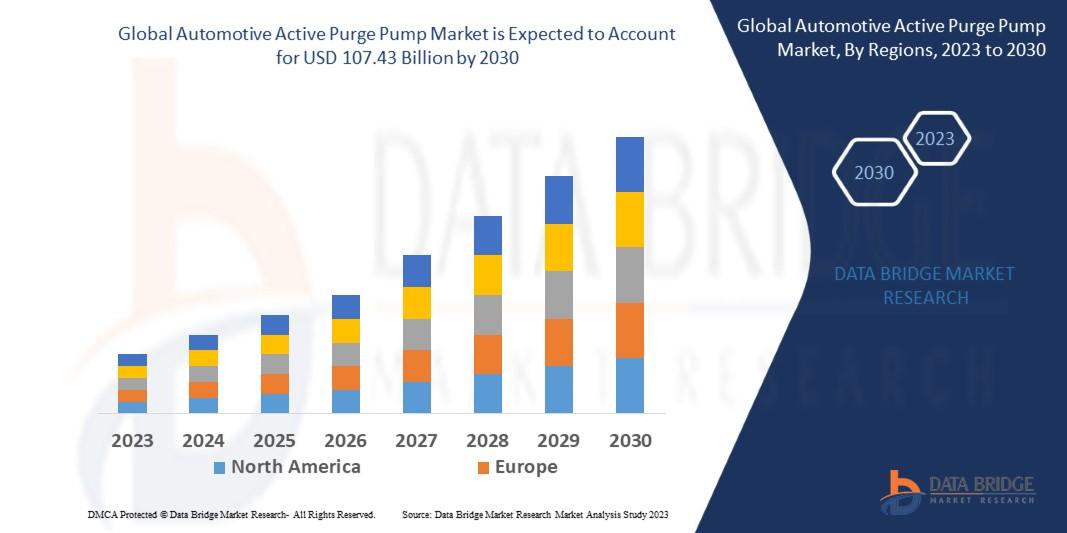
According to the latest report published by Data Bridge Market Research, the Automotive Active Purge Pump Market CAGR Value Data Bridge Market Research analyses that the automotive active purge pump market was valued at USD 67.50 billion in 2022 and is expected to reach the value of USD 107.43 billion by 2030, at a CAGR of 5.98% during the forecast period Automotive Active Purge...
Email remains one of the most important communication channels for businesses, freelancers, marketers, creators, and professionals. A dependable email account can support customer communication, business correspondence, account recovery, collaboration, notifications, and many other everyday digital activities. Because email addresses are closely connected with online identities, selecting and...