

Common Education Lead Generation Mistakes That Reduce Enrollment Conversions

Educational institutions invest heavily in attracting prospective students, but generating inquiries does not automatically translate into enrollment. Many colleges, universities, training providers, and online education companies lose potential students because of weak follow-up, poor qualification, generic communication, or disconnected admissions processes. The difference between a lead and an enrolled student often depends on what happens after the initial inquiry. A structured approach is therefore essential for turning prospect interest into meaningful enrollment opportunities.
A common issue in Education Lead Generation is focusing too heavily on lead volume instead of lead quality. An institution may celebrate thousands of inquiries while admissions teams struggle to identify prospects with genuine interest, suitable qualifications, or realistic enrollment intent. High volumes can also overwhelm counselors, causing delays and inconsistent follow-up. BPO teams can help institutions establish qualification criteria that distinguish information seekers from prospects who are actively considering a program.
Mistake 1: Treating Every Lead the Same
Prospective students have different goals, timelines, academic backgrounds, and financial considerations. A working professional researching an online master's program should not receive the same communication as a recent graduate exploring undergraduate options. Generic messaging can make prospects feel that the institution does not understand their needs.
Better approach:
-
Segment leads by program interest.
-
Identify preferred study format.
-
Record geographic and demographic information.
-
Track engagement and inquiry history.
-
Adjust communication according to enrollment readiness.
Personalization gives admissions teams a clearer understanding of which message should be delivered at each stage.
Mistake 2: Delaying the First Response
Speed matters when a student submits an inquiry. Waiting hours or days to respond can create an opportunity for another institution to engage first. Delayed responses also make interested prospects question how responsive the institution will be after enrollment.
A dedicated BPO team can establish defined response-time targets and coverage schedules. Agents can acknowledge inquiries, answer basic questions, verify interest, and route qualified prospects to admissions counselors. This creates a smoother transition between marketing activity and the enrollment process.
Mistake 3: Using Scripts Instead of Conversations
Rigid scripts can make outreach sound transactional. Students often have questions that do not fit neatly into a predefined sequence. They may want to understand career outcomes, course schedules, tuition, eligibility, application requirements, or available support before deciding whether to proceed.
Trained representatives should therefore use conversation frameworks rather than simply reading scripts. A framework provides structure while allowing agents to respond naturally to individual concerns. This combination can make prospective students more comfortable continuing the discussion.
Mistake 4: Ignoring Follow-Up Opportunities
Many prospective students are interested but not ready to enroll during the first interaction. Some may need to discuss the decision with family, compare programs, arrange financing, or wait for a preferred intake period. Treating an initial “not now” response as a permanent rejection can cause institutions to lose valuable opportunities.
A structured nurture process can maintain engagement without overwhelming prospects.
Initial inquiry → Qualification → Information sharing → Follow-up → Objection handling → Application support → Enrollment
CRM systems can help track each stage and remind representatives when another interaction is appropriate.
Mistake 5: Measuring Only Lead Counts
Lead volume is an activity metric, not necessarily a success metric. Institutions need to understand what happens after leads enter the funnel. Important measurements include contact rate, qualified-lead rate, counselor transfer rate, application rate, enrollment conversion, follow-up completion, and cost per enrolled student.
These metrics reveal where the process is breaking down. For example, a strong contact rate but weak application rate may indicate that representatives need better qualification or objection-handling training. A strong application rate but low enrollment rate may point to issues later in the admissions journey.
Mistake 6: Failing to Align Marketing and Admissions
Marketing and admissions teams sometimes operate with different definitions of a successful lead. Marketing may prioritize inquiries, while admissions focuses on students who meet program requirements and demonstrate genuine intent. Without shared criteria, large numbers of poorly matched leads can enter the pipeline.
BPO partners can help create a common operating framework connecting campaign targeting, lead qualification, CRM updates, follow-up procedures, and reporting. Regular feedback between teams also allows targeting criteria to evolve based on actual enrollment outcomes.
Mistake 7: Underestimating the Value of Human Interaction
Automation can improve efficiency, but prospective students often need reassurance before committing to an educational decision. Excessive dependence on automated messages can make the enrollment journey feel impersonal.
Human representatives can provide context, clarify questions, identify concerns, and recognize when a prospect needs specialized assistance. Technology should support these conversations rather than eliminate them.
Mistake 8: Outsourcing Activity Without Defining Outcomes
Simply adding an external team does not guarantee better enrollment performance. Institutions need clear expectations around qualification standards, response times, compliance, CRM usage, quality assurance, and reporting. The BPO team should understand that its role extends beyond making calls.
A strategic partner can combine trained agents, analytics, CRM workflows, quality monitoring, and appointment setting outsourcing to create a more disciplined student engagement process. The objective should be qualified conversations and stronger enrollment progression—not simply more completed interactions.
Turning Mistakes Into Enrollment Opportunities
Improving student acquisition requires institutions to examine the entire journey from initial inquiry through enrollment. Poor lead qualification, slow responses, generic messaging, weak follow-up, disconnected teams, and ineffective measurement can all reduce conversion rates. BPO teams can address these challenges by providing scalable staffing, structured processes, technology support, and continuous performance optimization.
When every prospect receives timely, relevant, and purposeful engagement, institutions can make better use of their marketing investment while creating a more supportive experience for prospective students. The result is a healthier enrollment pipeline built around quality conversations, consistent follow-up, and measurable outcomes.
الأقسام
إقرأ المزيد
Top 100+ Trusted Sites to Buy Bulk Yahoo Account (PVA, Aged & Bulk) Are you expanding your e-commerce reach and need a trusted Buy Bulk Yahoo Account Provider? SmmPVAIO offers specialized packages designed to give your storefronts and outreach tools the foundation they need. These Yahoo Account feature premium global geo-locations, including the USA, UK, and Canada, letting you...

Buy Verified Binance Account – Everything You Need to Know About Security, Ownership & Safe Account Management (Complete Guide 2026) 🌐 ⚡️🕐 Instant Reply Guaranteed — Message now for quick assistance. 🛒🏆📱 Telegram: https://t.me/getpvatop 🛒🏆📢 Telegram Username: @getpvatop 🛒🏆📧 Email: getpvatop@gmail.com 🛒🏆💜 Discord Community: getpvatop 🛒🏆🌍...

Private Full Day City Tour of Old and New Delhi – Ultimate Travel Guide (2026) Why Explore Delhi in a Single Day Private Tour Exploring Delhi in just one day might sound overwhelming at first, but a private full-day city tour makes it not only possible—but incredibly enjoyable. Delhi isn’t just a city; it’s a living timeline where centuries of history, culture, and...

S8 trang chu serves as the starting point for users who want a smooth and engaging digital entertainment experience. As online technology continues to advance people expect platforms that are fast secure and easy to navigate. A well developed homepage creates a positive first impression by offering quick access to important features while maintaining a clean and organized layout. This...
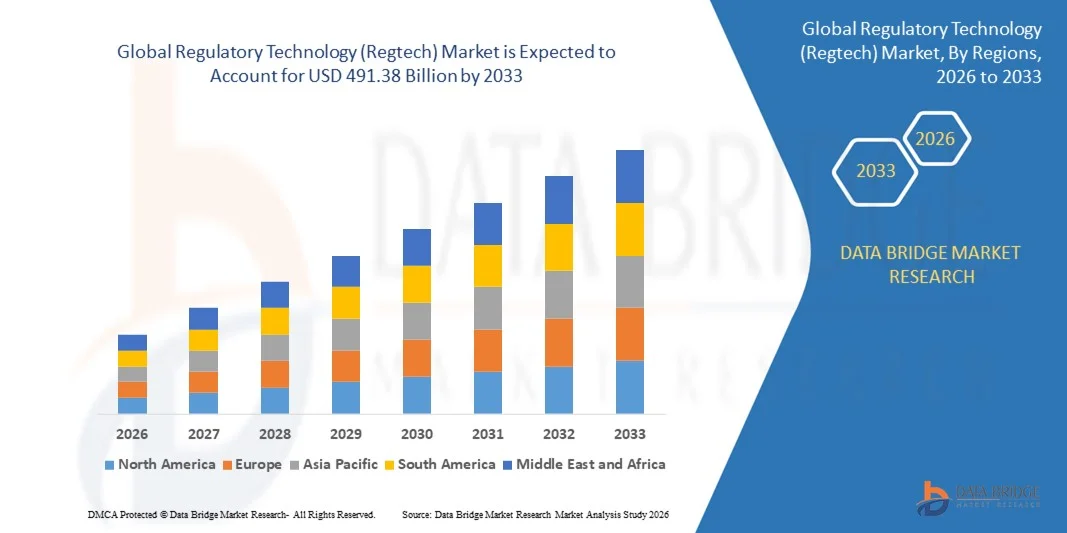
According to the latest report published by Data Bridge Market Research, the Regulatory Technology (Regtech) Market CAGR Value The global regulatory technology (Regtech) market size was valued at USD 16.57 billion in 2025 and is expected to reach USD 491.38 billion by 2033, at a CAGR of 52.75% during the forecast period The market research...