


The Rise of the Multi-Skilled Beautician: Why a Professional Beauty Parlour Course Matters in 2026
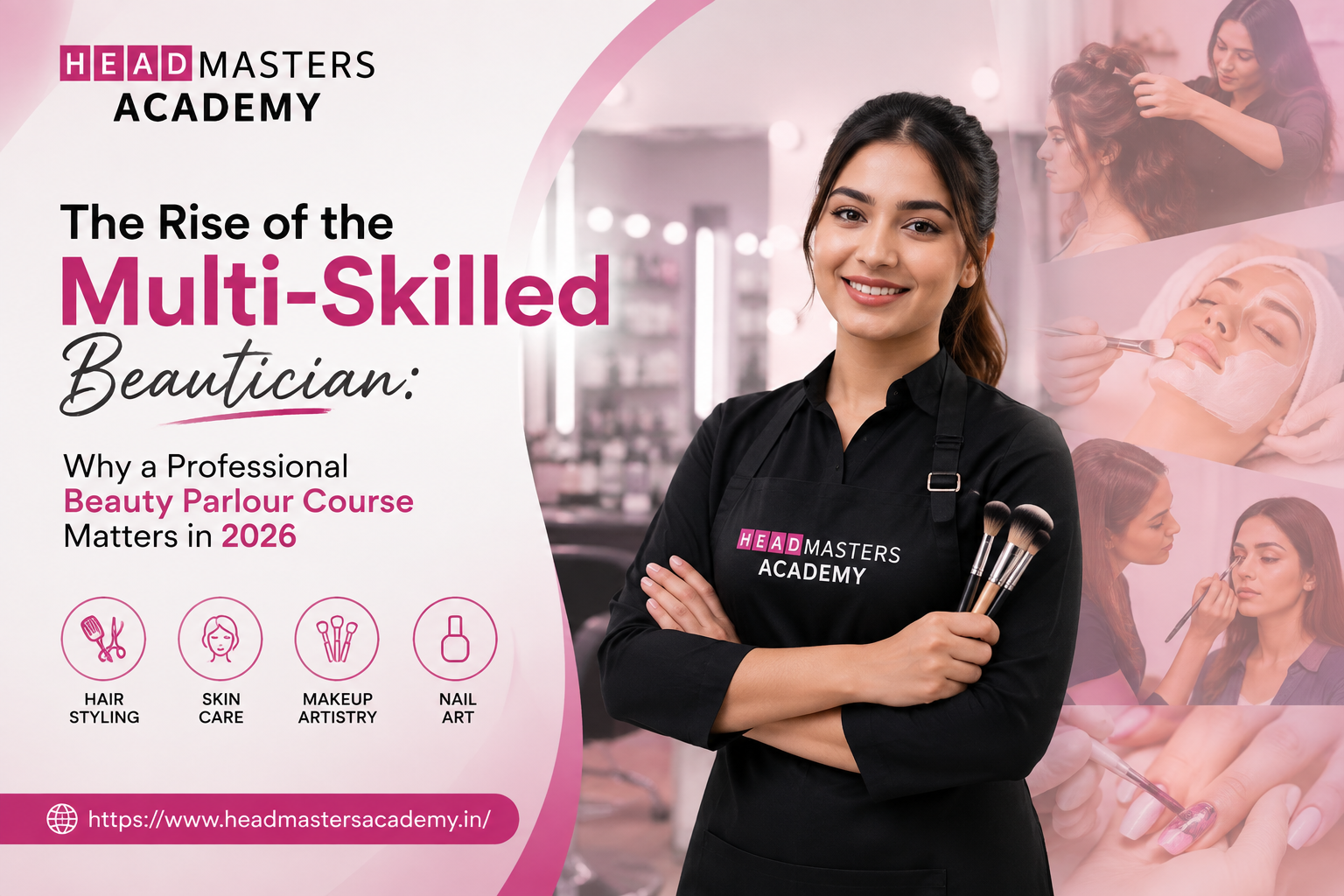
The beauty industry is changing rapidly. Today's clients often expect more than a single beauty service from a professional. They look for beauticians who understand skincare, makeup, hair care, nail services, hygiene, and personalised beauty recommendations.
This changing environment has increased the importance of becoming a multi-skilled beauty professional. Instead of developing knowledge in only one area, aspiring beauticians can benefit from learning a combination of practical and professional skills. A professional beauty parlour course can provide a structured foundation for individuals who want to prepare for the evolving beauty industry.
In 2026, versatility, practical knowledge, creativity, and professional client service are becoming increasingly important for aspiring beauty professionals.
What Is a Multi-Skilled Beautician?
A multi-skilled beautician is a professional who develops knowledge and practical abilities across multiple areas of the beauty industry. Depending on their training and chosen specialisations, these skills may include:
Basic and advanced skincare
Facial treatments
Makeup application
Hair care and styling
Nail care
Client consultation
Salon hygiene
Product knowledge
Being multi-skilled does not mean that every beautician must perform every possible beauty service. Instead, it means developing a strong foundation and understanding how different beauty services connect with one another.
For example, a makeup artist with knowledge of skin preparation may be better equipped to create a smooth and long-lasting makeup look. Similarly, a beauty professional with an understanding of hair styling and bridal makeup can offer a more coordinated service experience for wedding clients.
Why Versatility Matters in the Beauty Industry
The expectations of beauty clients are becoming more personalised. A client may visit a beauty professional for skincare advice, makeup services, facial treatments, or complete bridal preparation.
This has created a growing need for professionals who can understand different aspects of beauty and provide appropriate services within their area of training and expertise.
A versatile beauty professional may have opportunities to work in different environments, including:
Beauty salons
Spas
Bridal studios
Makeup studios
Wellness centres
Freelance beauty services
The ability to develop multiple relevant skills can also help aspiring professionals explore different career paths as their experience grows.
The Importance of Strong Beauty Fundamentals
Before moving into specialised areas, every aspiring beautician needs a solid understanding of the fundamentals. Professional training can introduce students to important concepts such as skin types, hygiene practices, product knowledge, client communication, and service preparation.
A well-structured professional beauty parlour course should focus on both theoretical understanding and practical application.
Important foundational skills may include:
Skin Analysis
Understanding different skin types and common skin concerns can help beauty professionals make more informed decisions during consultations.
Hygiene and Sanitisation
Maintaining clean tools, equipment, and workspaces is an essential part of professional beauty services.
Client Consultation
Every client has different expectations and preferences. Good communication helps professionals understand these requirements before beginning a service.
Product Knowledge
Beauty professionals should understand the purpose and appropriate application of the products they use.
These fundamental skills can support long-term professional development and help students build confidence as they gain experience.
Skincare Knowledge Is Becoming Increasingly Valuable
Skincare has become an important part of the modern beauty conversation. Clients are more interested in understanding their skin and are increasingly looking for personalised beauty experiences.
As a result, skin care courses in Ludhiana can be valuable for aspiring professionals who want to build knowledge about skincare fundamentals and professional beauty practices.
Depending on the training programme, students may learn about:
Skin types
Basic skin analysis
Cleansing techniques
Exfoliation methods
Facial procedures
Product selection
Professional hygiene
Client consultation
A beautician with skincare knowledge can better understand the importance of skin preparation, particularly when providing services such as bridal or professional makeup.
The Growing Role of Makeup Skills
Makeup remains one of the most creative and dynamic areas of the beauty industry. From everyday looks to bridal makeup, clients often look for professionals who can adapt their techniques to different skin tones, facial features, occasions, and personal preferences.
Aspiring beauticians can benefit from learning:
Base makeup techniques
Colour theory
Facial feature enhancement
Eye makeup
Bridal makeup
Makeup hygiene
Product application
Long-lasting makeup techniques
Makeup skills can also complement other areas of beauty training. For example, a professional who understands skincare, makeup, and basic hair styling may be able to provide a more comprehensive bridal beauty experience.
Hair and Nail Skills Can Add to Professional Versatility
Hair and nail services are also important parts of the beauty industry. While many professionals eventually choose to specialise in a particular area, developing introductory knowledge across multiple services can be useful.
Hair-related skills may include:
Basic hair care
Hair styling
Blow-drying
Bridal hairstyles
Understanding different hair textures
Similarly, nail-related knowledge can include:
Basic nail care
Manicure and pedicure procedures
Nail hygiene
Nail art fundamentals
The purpose of multi-disciplinary training is not simply to learn as many services as possible. It is to develop a broader understanding of the beauty industry and identify areas where an individual may wish to specialise.
How an Advanced Beauty Course Can Support Career Development
Once students have developed their foundational knowledge, they may consider additional specialised training. An advance beauty Course can help aspiring professionals explore more detailed techniques and build greater confidence through continued practice.
Advanced learning may focus on areas such as:
Professional facial techniques
Advanced skincare concepts
Bridal beauty
Modern makeup techniques
Client consultation
Professional service practices
Continuing education is particularly important in the beauty industry because trends, products, tools, and client preferences continue to evolve.
However, aspiring beauticians should focus on developing a strong foundation before moving into advanced techniques. Quality training, practice, and responsible professional development should always be prioritised.
Practical Training Makes a Difference
Beauty is a hands-on profession. Reading about a technique is different from performing it successfully on a client.
Practical training can help students develop important professional abilities, including:
Proper tool handling
Product application
Service preparation
Time management
Client interaction
Confidence
Repeated practice can also help students understand how techniques may need to be adjusted for different individuals.
Students searching for the best beauty institute in Ludhiana should look beyond promotional claims and carefully evaluate factors such as course content, practical learning opportunities, instructor experience, available facilities, and the relevance of the curriculum to their career goals.
Professional Cosmetology Education and Career Preparation
A Professional Cosmetology Course in Ludhiana can introduce aspiring professionals to a broader understanding of beauty and personal care. Cosmetology education may combine different aspects of beauty, depending on the programme and level of specialisation.
For students considering professional training, it can be helpful to understand:
What subjects are included in the course
How much practical training is provided
Whether the programme is suitable for beginners
Which career pathways may be available
Whether further specialisation is possible
Choosing the right course should depend on an individual's interests and professional goals rather than simply selecting the shortest or most popular programme.
Beyond Technical Skills: The Importance of Client Experience
Technical knowledge is essential, but successful beauticians also need strong professional and interpersonal skills.
Clients value professionals who:
Listen carefully
Communicate clearly
Maintain hygiene
Respect individual preferences
Manage appointments professionally
Create a comfortable environment
Building trust is particularly important in the beauty industry. A positive client experience can contribute to long-term professional relationships and help a beauty professional develop a strong reputation.
Digital Skills Are Also Becoming Important
The modern beauty professional often needs to understand basic digital communication and personal branding.
Social media can help professionals showcase their work and connect with potential clients. However, it should be used responsibly and professionally.
Useful digital skills may include:
- Creating a professional portfolio
- Photographing beauty work
- Managing professional social media profiles
- Communicating with clients online
- Understanding personal branding
For aspiring freelancers and beauty entrepreneurs, these skills can complement their technical training.
The Future Belongs to Adaptable Beauty Professionals
Beauty trends will continue to change, but adaptability will remain an important professional quality. New products, techniques, and client preferences will create opportunities for professionals who are willing to continue learning.
The multi-skilled beautician represents an approach to professional development that combines:
Strong foundational knowledge
Practical experience
Multiple relevant skills
Specialised expertise
Client-focused service
Continuous learning
Rather than relying solely on one technique or trend, aspiring beauticians can develop a broader understanding of the industry and gradually build their areas of expertise.
Conclusion
The beauty industry in 2026 offers exciting possibilities for individuals who are passionate about creativity, personal care, and professional development. Becoming a multi-skilled beautician can help aspiring professionals build a strong foundation while exploring different areas of the industry.
Whether an individual begins with a professional beauty parlour course, develops expertise through specialised skincare or makeup training, or pursues advanced professional education, practical skills and continuous learning remain essential for long-term growth.
For aspiring beauty professionals looking to develop industry-relevant knowledge and hands-on skills, HeadMasters Academy provides professional beauty education designed to support students as they build confidence and prepare for their future careers.
Frequently Asked Questions (FAQs)
1. What is a professional beauty parlour course?
A professional beauty parlour course is a structured training programme designed to teach essential beauty skills. Depending on the curriculum, it may cover skincare, makeup, hair care, nail services, hygiene, and client consultation.
2. Can beginners join a beauty course?
Many beauty training programmes are designed to accommodate beginners. However, students should review the course curriculum and entry requirements before enrolling.
3. Why is practical training important in beauty education?
Practical training allows students to develop confidence, improve their techniques, understand professional tools, and gain experience through hands-on learning.
4. What skills should a multi-skilled beautician learn?
A multi-skilled beautician can benefit from developing knowledge in skincare, makeup, hair care, nail services, hygiene, product knowledge, and client consultation.
5. Is skincare knowledge useful for a makeup artist?
Yes. Understanding basic skincare and skin preparation can help a makeup professional prepare the skin effectively before applying makeup and create a more refined finish.
6. What should I consider when choosing a beauty training institute?
Consider the course curriculum, practical training opportunities, instructor experience, learning facilities, course suitability, and how well the programme aligns with your professional goals.
7. Can a beauty professional specialise after completing basic training?
Yes. After developing a strong foundation, many beauty professionals choose to pursue specialised training in areas such as makeup, hair, nails, skincare, or advanced beauty techniques
Kategorien
Mehr lesen
When it comes to maintaining a safe and efficient electrical system, hiring experienced Rewiring experts in cypress is essential. Over time, electrical wiring can deteriorate, become outdated, or fail to meet the growing power demands of modern households. Faulty wiring not only affects the performance of your electrical system but can also create serious safety hazards, including...

Five recipe results, three item categories, and a challenge panel that does a poor job of explaining the workflow. That is why POE 3.29 Peddler's Produce II catches players off guard. You aren't simply selling loot; you're feeding the vendor a valid recipe and protecting your stash of POE currency and mapping supplies while you do it. The Allflame version asks for five Unique Item results, five...

Buy Old Gmail Accounts Buy Are you exploring the digital landscape for a strategic advantage? If so, consider the potential of old Gmail accounts. They may seem like relics from a bygone era, yet they offer unique benefits that modern accounts simply can’t match. As businesses strive to build trust and credibility online, many are turning to these aged accounts as an essential tool in...

Buy Old Gmail Accounts 💬📞 WE’RE ONLINE & READY TO ASSIST YOU 24/7! 📞💬➥ 🔥📲 Telegram: @getpvatop➥ ⚡💬 WhatsApp: +1 (873) 710-7167➥ 📩✨ Email: getpvatop@gmail.com➥ 🎮💻 Discord: Account Service➥ 🏢🌐 Company:https://getpvatop.com/product/buy-old-gmail-accounts/💫🛒🌐 CONTACT US • GET SUPPORT • STAY CONNECTED 🌐🛒💫 Old Gmail accounts have become essential for professionals,...

Shores of Connection v0.2 by RugPullStudios is a story-driven visual novel that focuses on meaningful choices, engaging character interactions, and an evolving narrative. Available on LustGames.to, the game invites players to explore a world where every conversation and decision can influence future events. With an immersive storyline and polished presentation, Shores of Connection is an...

