


Residential Carport Kits: A Practical Guide to Choosing, Installing, and Maintaining the Right Carport
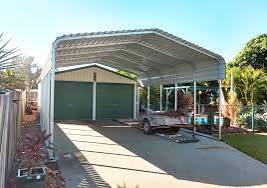
A residential carport is a practical way to protect your vehicle from sun, rain, snow, wind, and other outdoor elements without the cost and complexity of building a traditional garage. With residential carport kits, homeowners can create a covered parking area using pre-engineered components designed for relatively straightforward installation.
Whether you need shelter for one family car, multiple vehicles, a boat, or recreational equipment, a well-chosen carport kit can add useful outdoor storage and improve the functionality of your property. However, choosing the right kit requires more than simply selecting the cheapest option. Size, materials, roof style, installation requirements, local regulations, and weather conditions all deserve consideration.
What Are Residential Carport Kits?
Residential carport kits are prefabricated structures supplied with components needed to create a covered parking area. Depending on the manufacturer and design, a kit may include metal or steel posts, roof panels, beams, brackets, fasteners, and other structural components.
Unlike a custom-built garage, a carport kit typically does not require conventional walls, insulation, or a full foundation. This makes carports an attractive option for homeowners looking for a simpler and often more economical way to protect vehicles.
Kits are available in different sizes and configurations, allowing homeowners to select a structure that fits their available space and parking requirements.
Benefits of Residential Carport Kits
1. Protect Your Vehicle
One of the biggest advantages of a carport is protection from the weather. Direct sunlight can damage paint and interiors over time, while rain, snow, falling leaves, and other debris can make outdoor parking inconvenient.
A covered carport provides a barrier between your vehicle and many of these elements. It can also make getting into and out of your vehicle more comfortable during hot, rainy, or snowy weather.
2. More Affordable Than a Traditional Garage
Constructing a garage can involve significant expenses, including walls, doors, windows, insulation, electrical work, and a substantial foundation.
A residential carport generally uses fewer materials and has a simpler structure. As a result, it can provide covered parking without requiring the same level of investment as a fully enclosed garage.
3. Faster Installation
Because carport kits are prefabricated, many components are manufactured before they arrive at your property. This can simplify the construction process compared with designing and building a structure entirely from scratch.
Installation time depends on the kit, site conditions, size, foundation, and whether professional installers are used, but the prefabricated approach can make the project more efficient.
4. Versatile Outdoor Space
A carport does not have to be used exclusively for parking. Depending on the design and local requirements, it can also provide sheltered space for motorcycles, bicycles, garden equipment, trailers, boats, or other outdoor items.
Some homeowners use their carport as a temporary outdoor entertaining area when vehicles are not parked underneath it.
5. Low Maintenance
Many modern carport kits use durable metal components designed for outdoor conditions. Properly finished steel or aluminum can require relatively little maintenance compared with some traditional outdoor structures.
Routine inspections, cleaning, checking fasteners, and addressing corrosion or damage early can help extend the life of the structure.
Choosing the Right Carport Size
Size is one of the most important decisions when purchasing a carport kit. Start by considering how many vehicles you want to shelter and how much space you need around them.
A single-car carport may be suitable for one standard vehicle, while a wider structure can accommodate two cars. If you plan to store a truck, SUV, boat, trailer, or recreational vehicle, pay close attention to both height and width.
Do not measure only the vehicle itself. Leave enough clearance for opening doors, walking around the vehicle, and safely maneuvering into the parking area.
Think about future needs as well. If your household may acquire another vehicle, choosing a slightly larger structure now could prevent the need for an expensive replacement later.
Popular Carport Roof Styles
The roof design affects both appearance and performance.
Regular Roof
A regular roof is generally one of the simplest and most economical designs. Its straightforward construction can make it a popular choice for basic vehicle protection.
A-Frame Roof
An A-frame or boxed-eave roof has a more traditional appearance and can complement many residential properties. The pitched design can also provide a more finished architectural look.
Vertical Roof
Vertical roof designs feature panels running vertically down the slope. This configuration can help rain, snow, leaves, and other debris move away from the roof rather than accumulating as easily on horizontal surfaces.
The best roof style depends on your local climate, property design, budget, and personal preferences.
Materials Matter
Steel is one of the most common materials used for residential carport kits because of its strength and durability. Galvanized or coated steel can provide additional resistance against rust and outdoor exposure.
Aluminum may also be available in some designs. It can be lightweight and corrosion-resistant, although structural requirements vary between products.
When comparing kits, look beyond the headline material. Consider the thickness of the frame and roof panels, protective coatings, connection hardware, anchoring system, and manufacturer's specifications.
A low-cost kit is not necessarily the best value if its materials or components are poorly suited to your local conditions.
Consider Your Local Weather
Climate should influence your carport selection.
If you live in an area that receives heavy snowfall, the structure should have an appropriate snow-load rating. In regions exposed to strong winds or storms, wind resistance and anchoring are particularly important.
Coastal environments may require additional attention to corrosion resistance because salt-laden air can accelerate deterioration of exposed metal.
Always check the manufacturer's structural specifications and make sure the selected kit is appropriate for the conditions where it will be installed.
Installation and Site Preparation
Before purchasing a carport kit, inspect the proposed installation area. The ground should provide a suitable base, and the location should allow sufficient clearance around the structure.
Depending on the product and local building requirements, installation may involve concrete pads, anchors, posts, or another approved foundation system.
A level site can simplify installation and help ensure that the structure is properly aligned. If the ground is uneven, unstable, or difficult to prepare, professional assistance may be worthwhile.
It is also important to check local planning and building regulations before installation. Requirements can vary by location and may depend on the size, height, placement, anchoring, and intended use of the carport.
DIY or Professional Installation?
Some residential carport kits are designed for homeowners who want to handle installation themselves. DIY installation can potentially reduce labor costs, but it requires suitable tools, time, careful measurement, and attention to the manufacturer's instructions.
Larger structures can involve heavy components and work at height, making professional installation a sensible choice for many homeowners.
If you are uncertain about foundations, structural requirements, permits, or anchoring, consult an appropriately qualified local professional rather than relying solely on assumptions.
How to Maintain a Residential Carport
Although carports are generally low-maintenance, regular inspections are still important.
Check the roof panels for damage, inspect the frame for corrosion, and make sure bolts and other connections remain secure. Remove leaves and debris that accumulate on the roof or around the structure.
After severe weather, inspect the carport for movement, bent components, loose connections, or other signs of damage.
Keeping drainage areas clear can also help prevent standing water around the structure.
How Much Do Residential Carport Kits Cost?
The cost of a residential carport kit varies significantly depending on its size, material, roof design, structural specifications, anchoring system, accessories, delivery, and installation.
A basic single-car kit will generally cost less than a large double-car or RV-sized structure. Additional features such as enclosed sides, storage areas, upgraded roofing, or decorative elements can also increase the overall price.
Instead of comparing products based only on their initial price, consider the total project cost, including site preparation, foundation work, permits where applicable, delivery, installation, and future maintenance.
Final Thoughts
Residential carport kits offer homeowners a practical alternative to traditional garages when the primary goal is reliable covered parking. They can provide vehicle protection, flexible outdoor space, relatively straightforward installation, and a range of design options.
The key to getting the best results is choosing a kit that matches your vehicle requirements, property dimensions, local weather conditions, and applicable building requirements. Pay close attention to structural specifications, materials, anchoring, roof design, and installation requirements before making a purchase.
With careful planning and proper installation, a quality residential carport can become a useful, durable addition to your property for years to come.
Categorías
Read More
Modern businesses are operating in an increasingly competitive digital environment where customer expectations continue to evolve rapidly. Organizations are expected to deliver personalized communication, consistent engagement, and data driven experiences while managing complex buyer journeys across multiple channels. To meet these demands effectively, companies are investing heavily in B2B...

Buy Yahoo Accounts from getpvasmm.com In today’s digital age, having an online presence is more crucial than ever. Yahoo accounts are a gateway to numerous services, from email communication to news and social networking. But managing just one account can be limiting, especially for professionals or businesses that require multiple profiles. This is where the option to buy Yahoo accounts...

According to the latest report published by Data Bridge Market Research, the Adalimumab Biosimilar Market A talented team works strictly with their potential capabilities to produce the most excellent Adalimumab Biosimilar Market research report. To give clear idea about the current and future marketplace, most up to date market insights and analysis has been offered...

Introduction to Corteiz Clothing Corteiz Clothing has emerged as one of the most influential names in contemporary streetwear, transforming the way fashion enthusiasts view urban style. Unlike traditional fashion brands that rely heavily on mainstream marketing, Corteiz has built its reputation through exclusivity, authenticity, and a strong connection with street culture. The brand represents...