


Driving Lessons Automatic: A Complete Guide for Confident, Safe Driving

Learning to drive an automatic car can be a simple, comfortable, and rewarding experience with the right instruction. Driving lessons automatic courses are designed to help learners understand vehicle controls, develop safe driving habits, and build confidence behind the wheel without the added complexity of manual gear changes.
Whether you are a complete beginner, have struggled with manual driving, or simply want to learn in an automatic vehicle, professional lessons can give you the skills and confidence needed to become a safe and responsible driver.
What Are Automatic Driving Lessons?
Automatic driving lessons teach you how to operate a vehicle equipped with an automatic transmission. Unlike a manual car, an automatic vehicle changes gears for you, meaning there is no clutch pedal and no need to manually select gears while driving.
Most automatic cars have controls such as:
-
P (Park) – keeps the vehicle stationary when parked.
-
R (Reverse) – allows the vehicle to move backwards.
-
N (Neutral) – disengages the transmission.
-
D (Drive) – allows the vehicle to move forward.
Because learners do not need to coordinate a clutch and gear lever, they can focus more attention on steering, observation, road positioning, speed control, and other essential driving skills.
Why Choose Automatic Driving Lessons?
One of the biggest advantages of learning in an automatic car is simplicity. New drivers often find managing clutch control, gear changes, stalling, and hill starts challenging when learning in a manual vehicle. Automatic lessons remove much of this complexity.
This can make it easier to concentrate on the road and develop good driving habits from the beginning.
Automatic cars can also be particularly convenient for drivers who regularly deal with heavy traffic. Instead of constantly operating the clutch and changing gears, you can focus on maintaining a safe distance, observing other road users, and responding appropriately to changing traffic conditions.
What Will You Learn During Automatic Driving Lessons?
A professional instructor will normally structure lessons around your individual ability and progress. Beginners may start with basic vehicle controls before gradually moving into more complex driving situations.
1. Vehicle Controls
Your first lessons may cover starting and stopping the vehicle, steering, using indicators, adjusting mirrors, understanding dashboard controls, and selecting the correct transmission setting.
2. Moving Off and Stopping
You will learn how to move away smoothly and safely, control your speed, stop accurately, and understand how the vehicle behaves at different speeds.
3. Steering and Road Position
Correct steering and road positioning are essential for safe driving. Your instructor can help you develop appropriate positioning for different roads, junctions, bends, and traffic conditions.
4. Junctions and Roundabouts
Junctions and roundabouts require careful observation and decision-making. Lessons can teach you how to approach them safely, choose the correct lane, signal appropriately, and respond to other vehicles.
5. Parking and Manoeuvres
Automatic driving lessons can include essential parking skills such as parallel parking, bay parking, reversing, and safely entering or leaving confined spaces.
6. Independent Driving
As your confidence develops, you can practise navigating unfamiliar roads and making independent decisions. This helps prepare you for real-world driving and your practical driving test.
Is Automatic Driving Easier to Learn?
For many learners, automatic driving feels easier because there is no clutch pedal or manual gear changing. This can reduce the number of tasks a beginner needs to manage simultaneously.
However, automatic driving still requires concentration, good observation, hazard awareness, and responsible decision-making. A learner must understand traffic signs, road rules, speed management, pedestrian awareness, and safe interaction with other road users.
Automatic transmission makes vehicle control simpler, but becoming a good driver still requires practice.
How Many Automatic Driving Lessons Do You Need?
There is no fixed number of lessons that works for everyone. Your learning time can depend on your previous driving experience, confidence, ability to retain information, lesson frequency, and the types of roads you need to master.
Regular lessons can help maintain continuity and allow you to build on skills from previous sessions. Your instructor can assess your progress and identify areas that require additional practice.
Instead of focusing only on the number of lessons, concentrate on becoming consistently safe and independent.
Choosing the Right Automatic Driving Instructor
Choosing a suitable instructor can make a significant difference to your learning experience. Look for an instructor who is professional, patient, reliable, and able to explain driving concepts clearly.
A good instructor should adapt lessons to your current ability rather than rushing you through skills before you are ready. They should also provide constructive feedback and help you understand how to improve.
Before booking, consider asking about lesson duration, pricing, availability, the type of automatic vehicle used, and whether the instructor offers practical test preparation.
Tips for Getting the Most From Your Lessons
You can make faster progress by taking an active approach to your learning.
Practise regularly: Consistent lessons can help reinforce your skills.
Listen to feedback: Your instructor's observations can help you identify mistakes and improve.
Ask questions: If you do not understand something, ask your instructor to explain it again.
Stay calm: Making mistakes is a normal part of learning to drive.
Develop observation skills: Look well ahead and regularly check mirrors and blind spots.
Practise different roads: Experience with residential streets, busy roads, roundabouts, and higher-speed routes can improve your confidence.
Automatic Driving Lessons for Beginners and Experienced Drivers
Automatic lessons are not only for complete beginners. Experienced drivers may also benefit from automatic training when switching from manual to automatic vehicles.
Refresher lessons can be useful if you have not driven for a long time or want to rebuild confidence before driving independently. Drivers who have previously learned in a manual car may also find that a small number of automatic lessons helps them become familiar with the different vehicle controls.
Preparing for Your Driving Test
If your goal is to pass a practical driving test, your lessons should gradually cover the skills required for safe independent driving. This includes observation, road positioning, speed control, junctions, roundabouts, manoeuvres, meeting and passing other vehicles, and responding safely to hazards.
As your test approaches, mock-test sessions can help you become familiar with the pressure and structure of an assessment. Your instructor can also identify recurring mistakes and help you correct them before test day.
Start Your Automatic Driving Journey
Learning to drive an automatic car can provide a straightforward route toward becoming a confident and independent driver. With professional instruction, regular practice, and a positive attitude, you can gradually develop the skills needed to handle everyday traffic safely.
The key is not simply learning how to operate an automatic vehicle. It is learning how to observe, anticipate, communicate, control the vehicle, and make safe decisions on the road. Choose a qualified instructor, practise consistently, and give yourself time to develop genuine confidence behind the wheel.
Κατηγορίες
Διαβάζω περισσότερα
The 2023 Yamaha YZF-R7 is a sportbike designed for riders who want sharp styling, responsive handling, and engaging performance. Combining Yamaha’s racing-inspired design with 2023 Yamaha YZF‑R7 a compact twin-cylinder engine, the R7 offers an exciting riding experience for both experienced street riders and track enthusiasts. Its lightweight character and focused ergonomics make it a...

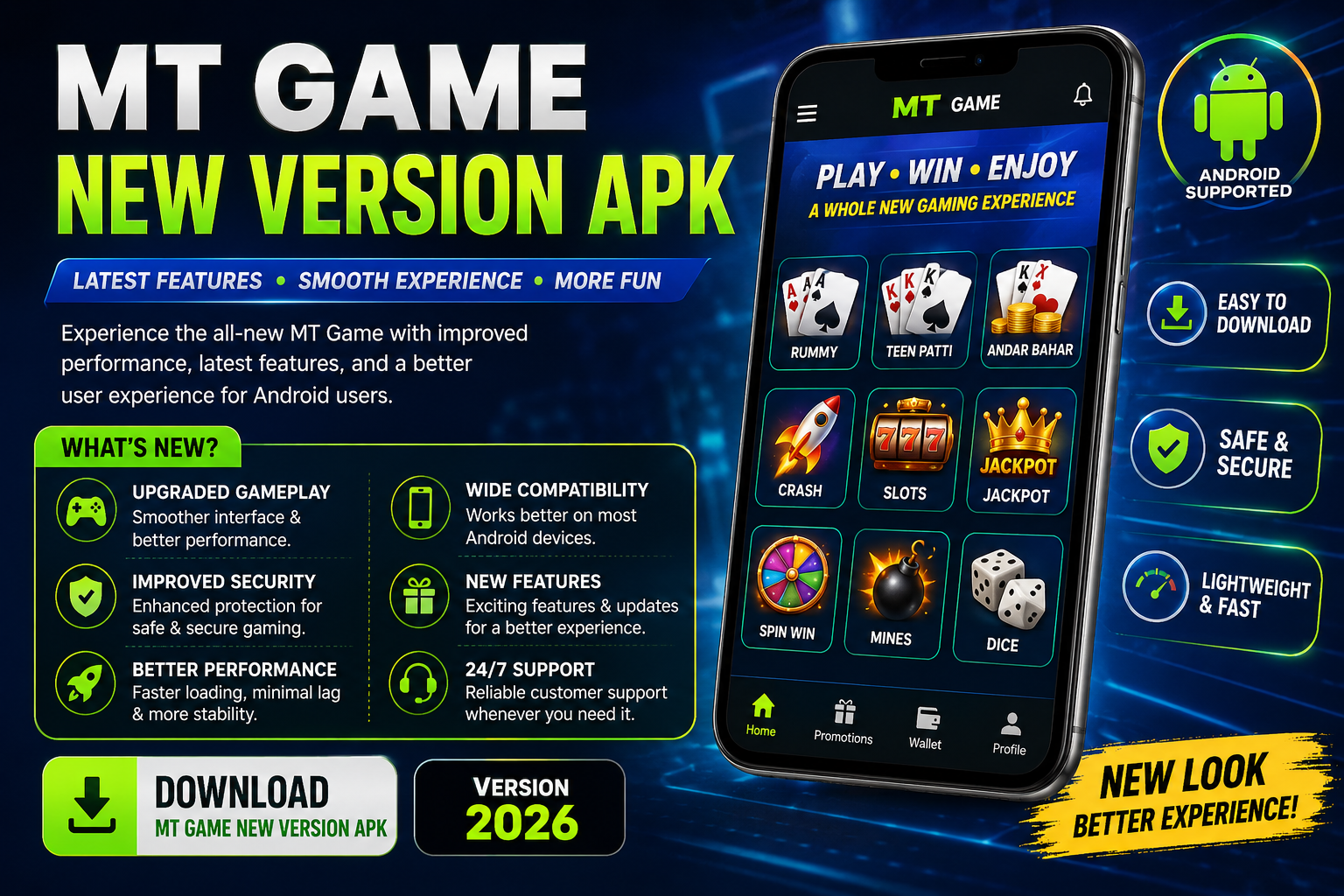
Mobile gaming users in India are constantly looking for updated applications that offer smoother performance, modern interfaces, and convenient access across Android devices. The mt game new version apk is commonly searched by users who want to explore the latest version of the MT Game platform rather than relying on an older release. However, downloading and installing any APK outside an...
Modern beauty and wellness care has moved beyond addressing one specific concern. Today, people often look for personalized solutions that support healthier-looking skin, refined facial features, body confidence, and overall appearance. Royal Clinic Saudi offers an approach centered on professional guidance, individualized treatment planning, and modern aesthetic solutions designed around...

Buy Old Facebook Account Buy an old Facebook account can be a strategic move for those seeking to enhance their online presence. These accounts often come with established friendships, post histories, and credibility that new profiles simply lack. When you purchase an old account, you gain immediate access to potential followers who may already resonate with your content or brand. This can save...

Forecasts indicate that the smart display market will reach an unprecedented size of $499.81 million by 2035, driven by accelerated technological advancements and rising consumer demand. The market is expected to grow at a CAGR of 11.58%, highlighting the sector's potential. The smart display market growth forecast showcases the significant shifts that are underway. Major companies...