


How the 3.5mm Locking Pilon Plate, Cruciform Supports Bone Stability
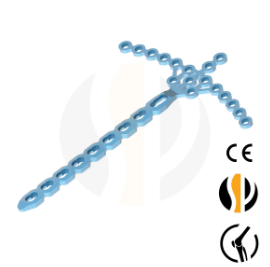
Pilon fractures are complex injuries involving the lower portion of the tibia near the ankle joint. Because this area experiences substantial mechanical stress and often involves multiple fracture fragments, achieving stable fixation can be challenging. Modern orthopedic fixation systems are designed to provide controlled stability while helping surgeons address difficult fracture patterns.
The 3.5mm Locking Pilon Plate, Cruciform is designed for fixation of suitable distal tibial fractures where a locking plate configuration can provide structural support. Its plate geometry, locking screw technology, and contour can help create a stable construct while accommodating the anatomical characteristics of the distal tibia. Products from stahlmannpro are part of a broader range of orthopedic fixation solutions intended for professional surgical use.
Understanding Pilon Fractures
A pilon fracture occurs near the ankle end of the tibia and may extend into the joint surface. These fractures can result from high energy trauma, falls, sports injuries, or other significant impacts. The fracture may produce several bone fragments and can be accompanied by considerable soft tissue damage.
Treatment depends on factors such as fracture pattern, displacement, bone quality, soft tissue condition, and the patient's overall circumstances. When surgical fixation is appropriate, the objective is generally to restore alignment and provide sufficient stability for healing while protecting surrounding tissues.
What Is a 3.5mm Locking Pilon Plate?
A 3.5mm Locking Pilon Plate, Cruciform is a specialized orthopedic plate intended to support fixation around the distal tibia. The 3.5mm designation refers to the screw system associated with the plate rather than simply describing the plate's overall thickness.
Locking plates differ from traditional compression plates because the screw head locks into the plate. This creates a fixed angle relationship between the screw and plate. The resulting construct can provide angular stability, which may be particularly useful in fracture patterns where conventional screw purchase or compression techniques are challenging.
How the Cruciform Design Can Support Stability
The cruciform configuration is an important aspect of the plate's design. Its shape can provide coverage and fixation options across different directions of the distal tibia, depending on the fracture pattern and surgical approach.
Several characteristics can contribute to construct stability:
1. Multiple Fixation Directions
Distal tibial fractures can contain fragments that require support from different directions. A cruciform plate configuration can provide multiple screw positions, allowing the surgeon to select appropriate fixation points according to the fracture anatomy.
2. Angular Stability
Locking screws engage directly with the plate, helping maintain a predetermined screw angle. This can reduce dependence on friction between the plate and bone for maintaining stability.
Angular stability can be especially valuable in challenging fracture patterns and in bone with reduced structural quality, although the appropriate fixation strategy always depends on individual patient anatomy.
3. Support for Distal Fragments
The distal tibia has a relatively limited area for conventional screw placement. A purpose designed pilon plate can provide strategically positioned fixation points around the distal region, helping the surgeon secure appropriate fracture fragments.
4. Construct Strength
A properly selected locking plate and screw construct can distribute mechanical forces across the fixation system. The combination of plate shape, screw positioning, bone quality, fracture reduction, and surgical technique determines the overall mechanical performance of the construct.
Why Locking Technology Matters
One of the major advantages of locking fixation is the fixed angle relationship between the screw and plate. With conventional plating, screws compress the plate against the bone, and stability partly depends on the friction created at that interface.
With locking fixation, the screw locks into the plate. This can create a more rigid relationship between the components and may help maintain alignment when used appropriately.
However, locking technology does not eliminate the need for accurate fracture reduction. Plate selection, screw length, screw distribution, soft tissue management, and surgical technique remain important considerations.
Anatomical Considerations in Pilon Fixation
The distal tibia has a complex three dimensional anatomy. A successful fixation strategy needs to consider the shape of the bone, fracture extension, joint involvement, soft tissue condition, and location of individual fracture fragments.
A plate designed specifically for the pilon region can help provide an anatomical fixation platform. The cruciform configuration may offer several options for placing screws around the distal tibia while supporting the overall fixation construct.
The surgeon must determine the most suitable plate position and screw configuration based on imaging and intraoperative findings.
Benefits of a Specialized Pilon Plate
A specialized plate system can offer several potential advantages when appropriately selected:
- Dedicated geometry for distal tibial fixation
- Multiple locking screw options
- Angular stability
- Support for complex fracture patterns
- Multiple fixation directions
- Potentially improved fixation in challenging bone conditions
- A construct designed around the anatomy of the distal tibia
These features are intended to assist surgeons in creating stable fixation while addressing the unique requirements of pilon fractures.
The Importance of Proper Surgical Planning
The performance of any orthopedic fixation system depends heavily on appropriate surgical planning. Before fixation, surgeons typically evaluate radiographic or advanced imaging to understand fracture lines, fragment size, displacement, joint involvement, and bone quality.
The surgical plan may include decisions regarding approach, reduction sequence, plate positioning, screw selection, and postoperative management.
The 3.5mm Locking Pilon Plate, Cruciform should therefore be considered as part of an overall fixation strategy rather than as an isolated solution. Proper patient selection and surgical technique are essential for achieving the intended outcome.
Role of Screw Placement
Screw placement is another important factor in fixation stability. Locking screws should be selected according to the plate system and patient's anatomy. Their length and trajectory must be appropriate for the intended fixation while avoiding unwanted penetration of the joint or surrounding structures.
Strategic screw distribution can help support different fracture fragments and contribute to balanced load distribution across the construct.
Why Bone Quality Matters
Bone quality can influence the effectiveness of fracture fixation. In patients with compromised bone strength, conventional screw fixation may present additional challenges. Locking constructs can offer angular stability because the screw is mechanically connected to the plate.
Nevertheless, locking plates are not a substitute for careful surgical technique. Excessive construct rigidity, poor reduction, inappropriate screw placement, or inadequate biological considerations can negatively affect healing.
Choosing Reliable Orthopedic Fixation Solutions
Selecting an orthopedic implant requires attention to material quality, design accuracy, compatibility, available screw systems, and intended clinical application. Healthcare professionals should always review manufacturer specifications and applicable regulatory information before selecting an implant for clinical use.
stahlmannpro provides orthopedic fixation products designed for professional medical applications. The company's product range includes different plate and screw configurations intended to address various orthopedic fixation requirements.
Conclusion
The 3.5mm Locking Pilon Plate, Cruciform can support bone stability through a combination of specialized distal tibial geometry, multiple fixation options, and locking screw technology. Its cruciform configuration can provide several directions for fixation, while locking screws create angular stability between the screws and plate.
For complex pilon fractures, achieving stable fixation requires more than selecting an implant. Accurate fracture assessment, appropriate reduction, careful plate positioning, suitable screw selection, soft tissue management, and postoperative care all contribute to the overall treatment strategy.
For orthopedic professionals evaluating fixation options, the 3.5mm Locking Pilon Plate, Cruciform from stahlmannpro represents a specialized plate design intended to support fixation of appropriate distal tibial fracture patterns. Implant selection and use should always be based on the patient's anatomy, fracture characteristics, surgical judgment, and the manufacturer's instructions for use.
Categorias
Leia mais
7-OH vape products combine a formulation containing stated amounts of 7-hydroxymitragynine, commonly called 7-OH, with electronic hardware designed to heat a liquid and produce an aerosol. Because products can differ significantly in formulation, concentration, capacity, and device construction, understanding the information on the label can help provide a clearer picture of what a particular...

Buy Old Facebook Accounts – Security Risks, Ownership Concerns, and Safe Alternatives (Complete Guide 2026) 🚪🚀💬📞📩 We’re always ready to help you 24/7! 😊💯🔥 💼⏰📩🌟🌐✨ We are available online 24/7💼⏰📩🌟🌐✨ Telegram: @getpvatop 💼⏰📩🌟🌐✨ WhatsApp: +1(873)710-7167 💼⏰📩🌟🌐✨ Email: getpvatop@gmail.com 💼⏰📩🌟🌐✨ Discord Community: getpvatop💼⏰📩🌟🌐✨our...

Not every business needs outside help right away. In the early stages, a founder posting occasionally on Instagram or running a basic Google ad might be enough. But as a business grows, that same approach often starts falling short — leads slow down, competitors pull ahead online, and there's simply too much to manage without dedicated expertise. If you've been wondering whether it's time...

Buy Old Gmail Accounts Buy Are you exploring the digital landscape for a strategic advantage? If so, consider the potential of old Gmail accounts. They may seem like relics from a bygone era, yet they offer unique benefits that modern accounts simply can’t match. As businesses strive to build trust and credibility online, many are turning to these aged accounts as an essential tool in...

According to the latest report published by Data Bridge Market Research, the Middle East and Africa Meditation Market The Middle East and Africa Meditation market size was valued at USD 356.11 Million in 2025 and is expected to reach USD 1276.34 Million by 2033, at a CAGR of 17.30% during the forecast period Global Middle East and Africa Meditation Market report analyses the key...

