


How Much Insurance Do You Need for Items in Storage?
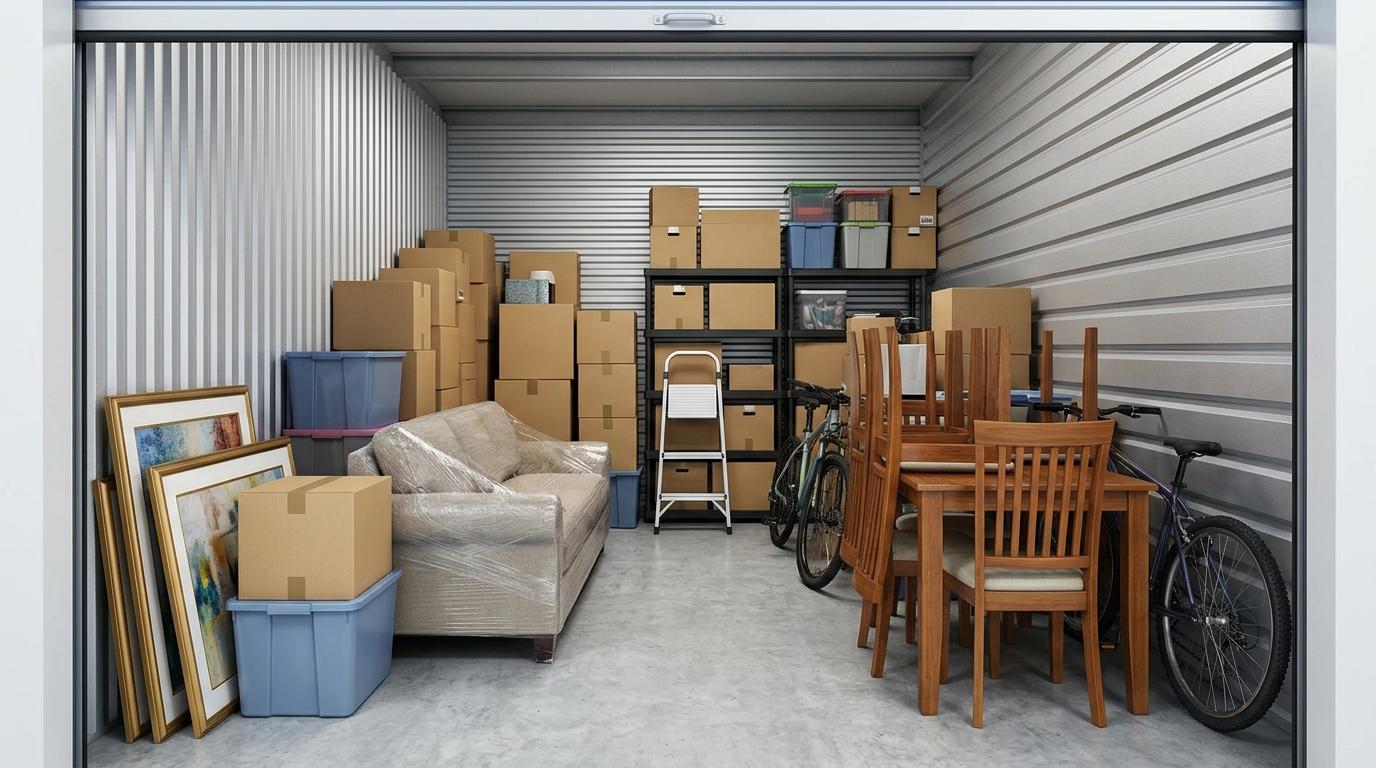
Choosing the right amount of Insurance For Items In Storage starts with understanding the total value of everything inside your unit. A storage space may contain furniture, electronics, clothing, appliances, documents, tools, and other possessions that are worth considerably more together than they appear individually. Buying too little coverage can leave you responsible for a large unexpected expense, while paying for more protection than you need may increase your costs unnecessarily. The goal is to find a reasonable balance between the value of your belongings and the protection available under the policy.
Start With the Contents of Your Unit
The first step is to make a detailed list of everything you plan to store. Walk through your home or current storage area and record the major possessions that will eventually go into the unit. Include furniture, televisions, computers, kitchen appliances, clothing, tools, sports equipment, decorations, and other personal belongings that could have meaningful replacement costs.
Don't focus only on expensive individual possessions when creating your estimate. Ten ordinary pieces of furniture, several boxes of clothing, and multiple household appliances can collectively represent a substantial amount of money. A complete inventory gives you a much more realistic starting point for determining how much coverage you may need.
Calculate Replacement Cost Rather Than Guessing
Once you have an inventory, estimate what it would cost to replace the items today. The original amount you paid years ago may not accurately represent current replacement prices, especially for furniture, appliances, electronics, and other goods affected by inflation or changing retail prices. Check current prices for comparable products where practical and use reasonable estimates for items that are difficult to price individually.
Avoid rounding your total down simply to reduce the cost of insurance. If your belongings are worth $18,000, choosing a limit of $10,000 simply because it is cheaper could leave you with a significant financial shortfall after a major covered loss. Your estimated replacement value should provide the foundation for comparing available coverage limits.
Consider the Value of the Entire Collection
People sometimes calculate insurance needs by focusing on their most expensive item. That approach can underestimate the true value of a storage unit because most storage contents consist of numerous possessions. A unit containing a sofa, beds, dining furniture, kitchen equipment, televisions, clothing, books, and personal belongings can easily be worth several times the value of its single most expensive item.
Think about what would happen if you had to replace everything at the same time. The combined cost of ordinary possessions can become surprisingly high when they all need to be purchased again. Looking at the entire collection rather than individual items helps produce a more realistic coverage estimate.
Check Your Existing Insurance Before Buying More
If you already have homeowners or renters insurance, review the policy before purchasing separate storage coverage. Some policies may extend protection to personal belongings located away from the primary residence, but the amount available for property in a storage facility can be restricted. An off-premises limit may be substantially lower than the overall personal property limit shown on your policy.
For example, your policy could provide a high personal property limit for belongings at home while applying a smaller limit to possessions stored elsewhere. If the value of your storage contents exceeds that applicable amount, you could have a coverage gap even though you already have insurance. Contact your insurer and confirm the exact limit, deductible, covered events, and conditions that apply to stored property.
Don't Ignore Deductibles
The amount of insurance you purchase isn't the only figure that matters. You should also understand the deductible because it can affect how much you would actually receive after an eligible claim. A deductible is the portion of a covered loss that you may have to pay before the insurer contributes toward the remaining eligible amount.
When comparing policies, consider how the deductible fits with the value of your belongings and the types of losses you are concerned about. A policy with a lower premium may have a deductible or limitations that make it less suitable for your circumstances. Looking at the coverage limit and deductible together gives you a more useful picture of the policy's potential value.
Account for High-Value Possessions
Certain belongings deserve individual attention because their value may be significantly higher than the average item in your storage unit. Jewelry, artwork, antiques, collectibles, musical instruments, specialist equipment, and other valuable possessions may have special limits or conditions under some insurance policies. A general contents limit doesn't necessarily mean every individual category is protected up to its full replacement value.
Create a separate list of valuable items and check how they are treated by the policy you are considering. You may need to provide documentation, meet specific conditions, or explore additional protection depending on the item. This is particularly important when a small number of expensive possessions make up a large portion of your overall storage value.
Think About How Long You Will Store Everything
The length of your storage period can influence how carefully you should review your coverage. Someone storing a few boxes during a short move may have different needs from a household keeping most of its possessions in a unit for several years. Longer storage periods create more opportunities for circumstances to change, including changes in the value and quantity of your belongings.
Review your inventory periodically if the unit is being used for an extended period. You may remove some items, add others, purchase replacements, or acquire additional possessions that increase the total value. Keeping your coverage aligned with the contents of the unit helps prevent your original estimate from becoming outdated.
Consider the Purpose of the Storage Unit
The reason you are using storage can provide useful context when estimating your insurance needs. A temporary move, home renovation, downsizing project, relocation, or estate-related storage situation can each involve different types and quantities of belongings. Understanding the purpose of the unit can help you anticipate what will be stored and how long the property is likely to remain there.
Business owners should make a separate assessment if the unit contains commercial property. Inventory, tools, equipment, promotional materials, office furniture, and other business assets may require different insurance considerations from personal possessions. Don't assume a personal property policy automatically provides the same protection for items belonging to a company.
Consider the Risks Alongside the Value
The amount of coverage should be considered alongside the risks addressed by the policy. A high coverage limit isn't particularly useful if the events you are most concerned about are excluded or subject to special conditions. Review the policy's covered causes of loss and exclusions before deciding that a particular limit is sufficient.
The storage facility's location and environment may also influence the risks you consider. Theft, fire, vandalism, and certain weather-related events may be relevant depending on the circumstances, while other risks can have specific exclusions. Understanding these details helps you evaluate the quality of the protection rather than simply choosing the largest available limit.
Document Everything Before Storage
Good records can make your coverage easier to manage and may also be useful if you ever need to make a claim. Photograph valuable belongings before placing them in the unit and keep receipts, serial numbers, purchase records, or other evidence of ownership when available. A simple spreadsheet can record the item, estimated value, purchase information, and any identifying details.
Keep your records somewhere outside the storage facility. Digital copies stored securely online can remain accessible if the unit becomes inaccessible after an incident. Updating your inventory whenever significant items are added or removed can also help you maintain an accurate estimate of your total property value.
Avoid Choosing Coverage Based Only on Price
It can be tempting to select the lowest-cost option when comparing insurance. However, a cheaper policy may have a lower limit, higher deductible, broader exclusions, or conditions that don't fit your circumstances. The monthly premium should therefore be considered alongside the actual protection being provided.
Compare several important factors before making your decision. Look at the coverage amount, deductible, covered events, exclusions, special limits, claims requirements, and treatment of valuable belongings. A slightly higher premium may provide more appropriate protection, while unnecessary coverage can add cost without providing meaningful value for your situation.
Reassess Your Coverage When Things Change
Your insurance needs don't necessarily remain the same throughout the storage period. You might initially place $12,000 worth of possessions into a unit and later add another $5,000 worth of furniture or equipment. If your coverage limit remains unchanged, the additional belongings could create a gap between the value of your property and the protection available.
Make a habit of reviewing your inventory whenever the contents change significantly. Major purchases, removals, additions, or changes in storage arrangements are good reasons to reassess your coverage. Keeping the policy aligned with your actual belongings can make your protection more meaningful over time.
A Practical Way to Estimate Your Coverage
Suppose you have a storage unit containing furniture worth approximately $7,000, electronics worth $4,000, clothing and personal items worth $3,000, appliances worth $2,500, and tools and miscellaneous possessions worth another $2,500. Your estimated replacement value would be around $19,000. That figure gives you a practical starting point for comparing available coverage limits.
You would then need to check whether your existing insurance provides protection for that amount when the belongings are kept away from your home. If it does not, compare the available dedicated storage options and review their deductibles, exclusions, and covered events. The objective is not simply to select a round number but to choose protection that reasonably reflects your actual financial exposure.
When You May Need to Review Your Policy
Certain situations are a clear reason to revisit your storage insurance arrangements. Moving to a larger unit, adding expensive belongings, changing the purpose of the storage space, or discovering that your existing policy has a restrictive off-premises limit can all justify a review. A significant change in the value of your belongings should not be ignored simply because your policy has already been purchased.
Regular reviews are particularly useful when possessions remain stored for long periods. The contents of a unit can change gradually without the owner noticing how much the total value has increased. Periodic inventory checks can help you identify those changes before they become a problem.
Final Thoughts
Determining the right amount of storage coverage isn't about choosing the highest limit available or simply matching a number recommended by someone else. It starts with an accurate inventory, realistic replacement values, and a clear understanding of the protection already available through homeowners or renters insurance. From there, you can identify gaps and compare suitable storage contents coverage based on your actual circumstances.
Insurance For Items In Storage should reflect the value of the possessions you would genuinely struggle to replace after an unexpected covered loss. Review your deductible, exclusions, special limits, and covered events alongside the overall coverage amount so you understand what the policy can realistically provide. Taking these steps before your belongings go into storage can help you choose protection with greater confidence and avoid discovering a significant coverage gap later.
Categories
Read More
Professional air duct cleaning is an essential service that helps maintain clean indoor air, improve HVAC performance, and create a healthier living or working environment. Air ducts are the hidden pathways of heating, ventilation, and air conditioning systems, responsible for circulating air throughout a building. Over time, these ducts accumulate dust, dirt, allergens, mold spores,...

Executive Summary Anti-Wrinkle Products Market Research: Share and Size Intelligence The global anti-pollution ingredients market size was valued at USD 2.09 billion in 2025 and is expected to reach USD 3.73 billion by 2033, at a CAGR of7.5% during the forecast period The all-inclusive Anti-Wrinkle Products Market report is the best to know the trends and...

HFOBE Certification Eligibility: A Complete Career Entry Guide Healthcare administration is becoming one of the fastest-growing career paths for students who want to work in hospitals without entering clinical roles. Among these opportunities, the HFOBE certification program stands out for its practical training in front office management and billing support. Understanding HFOBE certification...

A gaming controller is more than just an accessory—it becomes an extension of your hands during every race, battle, adventure, and sports match. Whether you're upgrading your current setup or purchasing your very first controller, making the wrong choice can affect comfort, performance, and even your overall gaming experience. That's why it's important to buy gaming...

The telescopic doors market is expanding steadily due to increasing demand for space-efficient and aesthetically appealing door systems in commercial, residential, and industrial buildings. These doors offer smooth operation and maximize entrance width, making them suitable for hospitals, airports, and retail spaces. Rising urbanization and smart building construction are key growth drivers....