Why Tobacco Use Can Remain More Visible in Regional and Rural Australian Communities
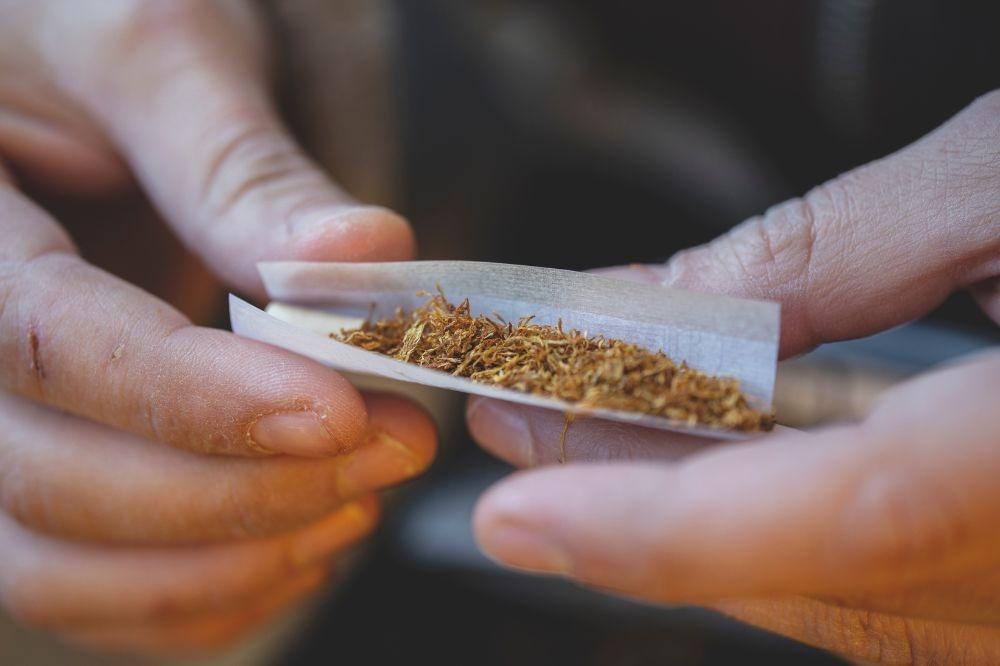
In many regional and rural Australian communities, tobacco use remains more visible than it is in major cities. The reasons are complex and connected to access, income, social conditions, health services and long-established habits. Understanding these factors is more useful than attributing smoking patterns to the popularity of a single brand like Manchester cigarettes in Adelaide.
Recent national data shows a clear geographic difference in daily smoking rates. In 2022–23, around 7% of Australians aged 14 and over in major cities smoked daily, compared with approximately 11% in outer regional areas and 20% in remote and very remote areas. These figures demonstrate why tobacco prevention and cessation support remain important across rural and regional communities.
Access and availability
People living outside major cities may experience reduced access to healthcare, counselling, pharmacies and smoking cessation programs. In some locations, residents may need to travel long distances for appointments or rely on limited local services. This can make it more difficult to seek help when someone decides to quit.
Retail access can also influence smoking behaviour. In smaller communities, local shopping patterns are often concentrated around a limited number of businesses. That can make tobacco products a familiar part of the local retail environment, even as public health rules restrict how they may be displayed and promoted.
Social and economic factors
Smoking is often linked to broader social and economic conditions. Financial stress, insecure employment, housing challenges and limited educational opportunities can all affect tobacco use. People experiencing ongoing stress may find it harder to prioritise quitting, particularly when they lack access to consistent support.
These conditions do not mean that regional residents are less informed about smoking risks. Instead, they show that individual choices are shaped by the environment in which people live. Effective tobacco control therefore needs to address both personal behaviour and wider barriers to quitting.
The role of social norms
In smaller communities, social networks can have a strong influence on everyday behaviour. If smoking has been common among family members, friends or work colleagues, it may be viewed as a normal part of social life. This can make quitting more difficult and may increase the chance that younger people are exposed to tobacco use.
At the same time, strong community connections can support positive change. Local health workers, schools, sporting organisations, employers and community groups can help make smoke-free behaviour more visible and socially accepted. Consistent local messaging can gradually change perceptions and encourage more people to seek support.
Why brand familiarity should not be confused with popularity
Consumers may recognise certain product names because they have encountered them over many years. However, brand familiarity does not provide evidence that a cigarette is safer, healthier or suitable for any particular community. All combustible tobacco products carry serious health risks, regardless of brand, price, packaging or perceived strength.
Australian tobacco packaging laws are designed to reduce promotional appeal. Retail tobacco products sold by providers like My Cigs Australia must use standardised packaging, display required health warnings and follow strict rules about brand and variant names. Logos, brand imagery and promotional text are not permitted on compliant retail packaging.
Consequently, articles that describe a specific product as especially popular may be interpreted as advertising, even when written in an apparently informational style. This is why publishers and businesses should review tobacco-related content carefully before publication.
Supporting people who want to quit
The most valuable response to regional smoking disparities is improved access to cessation support. Depending on location and individual circumstances, support may include a general practitioner, pharmacist, Aboriginal and Torres Strait Islander health service, Quitline, nicotine replacement therapy or prescription treatment.
Employers and community organisations can also help by providing smoke-free workplaces, practical information and non-judgemental assistance. A supportive approach is more likely to encourage people to seek help than messaging based on blame or shame.
Final thoughts
Higher smoking rates in regional and remote Australia reflect a combination of social, economic, geographic and healthcare factors. Addressing those differences requires sustained public health investment, accessible quitting services and community-led education rather than promotion of individual tobacco brands.
Frequently Asked Questions
1. Why can tobacco use be more visible in regional and rural Australian communities?
Smoking rates can be influenced by factors such as geographic isolation, limited access to healthcare, financial stress, employment conditions and local social norms. National data has shown that daily smoking rates are generally higher in regional and remote areas than in major cities.
2. Does the popularity of a cigarette brand mean it is safer?
No. Brand familiarity or perceived popularity does not make a tobacco product safer. All combustible tobacco products contain harmful substances and carry serious health risks, regardless of brand, price, packaging or perceived strength.
3. Are cigarette brands allowed to advertise in Australia?
Australian tobacco advertising and promotion laws are strict. Tobacco products must be sold in standardised packaging and businesses cannot publish messages that encourage smoking or promote tobacco products.
4. Why is tobacco packaging standardised in Australia?
Standardised packaging laws are intended to reduce the promotional appeal of tobacco products and ensure that health warnings are displayed clearly. Packaging cannot use brand logos, promotional imagery or design elements that make a product appear more attractive.
5. Where can Australians get help to quit smoking?
People who want to quit can speak with a doctor, pharmacist, local health service or smoking cessation counsellor. Depending on their circumstances, they may also receive support through Quitline, nicotine replacement therapy or prescription treatment. Regional and remote communities can benefit from improving access to these services and making support easier to reach.
Kategoriler
Read More
Greetings, Friends I, CallSia, have been working as an escort in Ludhiana for the past two years. You can find numerous independent call girls from Ludhiana and the surrounding areas here. You can book any Ludhiana Call Girl with just one phone call at any time, and you'll be thrilled to see the gorgeous photos of Ludhiana call girls on the enticing gallery page of CallSia...

Scientific research depends on reliable materials, accurate documentation, and consistent quality. Whether conducting molecular biology studies, biochemical investigations, or analytical laboratory work, selecting the right Research Peptide Supplier is one of the most important decisions a researcher can make. As peptide research continues to grow, laboratories are looking beyond price alone....

Professional outdoor flood lighting service provides powerful illumination solutions for events, properties, and outdoor areas with safe and reliable installation. Outdoor Flood Lighting Service for Bright and Secure Outdoor Areas Outdoor spaces require proper lighting to remain safe, functional, and visually attractive. Whether you are hosting an event, improving a property, or creating...