


How Often Should You Get a Haircut? A Complete Guide

How Often Should You Get a Haircut? A Complete Guide
Getting a haircut is an important part of maintaining healthy-looking, manageable, and stylish hair. But how often should you actually visit the salon? The answer is not the same for everyone. Your ideal haircut schedule depends on your hair length, texture, hairstyle, styling habits, and personal goals.
Some people need regular trims to maintain a short, structured style, while others can go several months between appointments. If you're growing your hair, you may also have different needs than someone who wants to maintain a specific length.
Understanding when to schedule your next haircut can help you keep your hair looking polished while preventing unnecessary damage. Here's a complete guide to help you determine how often you should get a haircut.
Why Are Regular Haircuts Important?
Haircuts do more than change your appearance. Regular trims can help maintain the shape of your hairstyle and remove split or damaged ends.
Hair naturally experiences wear and tear from brushing, washing, heat styling, coloring, environmental exposure, and everyday activities. Over time, the ends can become dry, rough, or prone to splitting.
While trimming your hair does not make it grow faster from the scalp, removing damaged ends can help your hair look healthier and make it easier to manage.
Regular salon visits also give your stylist an opportunity to assess the condition of your hair and recommend treatments or changes to your routine.
How Often Should You Get a Haircut?
For many people, a haircut every 6 to 12 weeks is a reasonable general guideline. However, this range can vary significantly depending on your hairstyle and hair goals.
Short hairstyles often require more frequent appointments because even a small amount of growth can change the shape of the cut. Longer hairstyles may be maintained with less frequent trims, particularly if the hair is healthy and you are trying to grow it.
Instead of following a strict schedule, pay attention to how your hair looks and feels.
If your ends are becoming noticeably dry, your style is losing its shape, or your hair is increasingly difficult to manage, it may be time for a trim.
Short Hair: Every 4 to 8 Weeks
Short hairstyles generally require more frequent maintenance.
Pixie cuts, bobs, layered short styles, and other structured haircuts can lose their shape as the hair grows. Even a small amount of growth can change the proportions and overall appearance of a short hairstyle.
If you want to maintain a precise short haircut, scheduling an appointment approximately every 4 to 8 weeks may help keep the style looking fresh.
Your stylist can also make small adjustments during each visit to keep the haircut suited to your preferences.
Medium-Length Hair: Every 6 to 10 Weeks
Medium-length hair offers more flexibility than very short hairstyles.
If you have a shoulder-length cut, layers, or a medium-length style, you may be able to wait around 6 to 10 weeks between appointments.
The exact timing depends on whether you are maintaining your current length or trying to grow your hair.
If your haircut has layers or face-framing pieces, regular trims can help maintain the intended shape and prevent the ends from becoming uneven.
Long Hair: Every 8 to 12 Weeks
People with long hair may not need to visit the salon as frequently as those with short hairstyles.
If your hair is healthy and you are happy with its shape, an appointment every 8 to 12 weeks may be enough for routine maintenance.
However, long hair can still develop split ends and dryness, especially at the ends. If you regularly use heat tools, color your hair, or chemically treat it, you may need more frequent trims.
A stylist can help you determine whether you need a simple dusting of the ends or a more noticeable trim.
If You're Growing Your Hair Out
Many people avoid haircuts when trying to grow their hair, but completely avoiding trims may not always be the best approach.
Hair grows from the scalp, so cutting the ends does not directly make it grow faster. However, regular maintenance can help prevent damaged ends from becoming more noticeable and difficult to manage.
If your goal is longer hair, tell your stylist. They can remove only what is necessary while preserving as much length as possible.
You may benefit from smaller, less frequent trims rather than major haircuts.
Curly and Textured Hair
Curly and textured hair may require a different approach to haircut scheduling.
Because curls can shrink and behave differently depending on moisture and styling, it can sometimes be difficult to judge the actual length and shape of the hair.
Some people with curly hair prefer longer periods between appointments, while others maintain a specific shape with more regular trims.
Your curl pattern, density, haircut, and styling routine should all be considered when determining your schedule.
Working with a stylist experienced in your hair texture can help you develop a maintenance routine that works for you.
Color-Treated and Chemically Treated Hair
Hair that has been colored, highlighted, bleached, permed, or chemically treated may require additional attention.
Chemical services can affect the hair's condition, particularly when combined with frequent heat styling or other treatments.
If your hair is color-treated, discuss your maintenance routine with your stylist. You may need regular trims along with conditioning treatments and products designed for treated hair.
Your stylist can also help you determine when it is appropriate to refresh your color and when your hair may benefit from a break between chemical services.
Signs You Need a Haircut
Rather than relying only on a calendar, watch for signs that your hair needs attention.
1. Split Ends
Visible split ends are one of the most common signs that you may need a trim. Once an end has split, a haircut is the only way to remove the damaged section.
2. Dry or Rough Ends
If the ends of your hair feel significantly drier or rougher than the rest of your hair, a trim may help improve its appearance and manageability.
3. Your Hairstyle Has Lost Its Shape
If your haircut no longer falls the way it did when it was fresh, your style may need reshaping.
4. Increased Tangling
Hair that suddenly becomes more difficult to detangle can sometimes be a sign that the ends are dry or damaged.
5. Styling Takes Longer
If your usual hairstyle has become harder to create, your haircut may have grown out or lost its intended structure.
Does Cutting Your Hair Make It Grow Faster?
This is a common hair care myth.
Cutting the ends of your hair does not make it grow faster from the scalp. Hair growth occurs at the follicles in the scalp, not at the ends.
However, regular trims can help maintain the appearance of the hair by removing split and damaged ends. This can make your hair look healthier and may help you retain length by reducing the amount of breakage caused by damaged ends.
So while a haircut does not speed up growth, it can be part of a healthy hair maintenance routine.
How Heat Styling Affects Your Haircut Schedule
Frequent use of blow dryers, straighteners, and curling irons can contribute to dryness and damage over time.
If you regularly use heated styling tools, consider using a heat protectant and choosing an appropriate temperature for your hair type.
People who frequently heat-style their hair may benefit from more regular trims, especially if they notice dryness or split ends.
You can also reduce unnecessary heat exposure by allowing your hair to partially air-dry before using a blow dryer and avoiding repeated passes with flat irons or curling tools.
What About Bangs?
Bangs often require more frequent maintenance than the rest of your haircut.
Because bangs sit around the face, even a small amount of growth can noticeably change their appearance. Depending on the style and length, you may need occasional bang trims between full haircut appointments.
Ask your stylist about maintenance options if you want bangs but prefer a low-maintenance hairstyle.
How to Create a Haircut Schedule That Works for You
Instead of choosing a fixed appointment schedule based solely on general recommendations, consider your individual needs.
Ask yourself:
-
Do I want to maintain a specific haircut?
-
Am I trying to grow my hair?
-
How often do I use heat styling tools?
-
Is my hair color-treated?
-
Do I have split or dry ends?
-
How much time do I want to spend styling my hair?
-
How quickly does my hairstyle lose its shape?
Your answers can help determine how frequently you should visit a salon.
A professional stylist can also create a personalized maintenance plan based on your haircut, hair condition, and long-term goals.
Why Professional Haircuts Make a Difference
A professional haircut can do more than simply remove length. An experienced stylist considers your hair texture, face shape, lifestyle, and styling preferences when creating or maintaining your look.
At Marie’s Hair Design, clients can receive personalized hair services designed around their individual needs. From precision haircuts and styling to color, highlights, balayage, extensions, and smoothing services, professional guidance can help you maintain a style that looks beautiful and fits your lifestyle.
Whether you want to maintain your current look or try something completely new, a consultation can help you decide what works best for your hair.
Final Thoughts
There is no universal haircut schedule that works for everyone. Short hairstyles may require appointments every few weeks, while longer hair can often go several months between trims.
Your hair's condition, texture, length, styling habits, and personal goals should all influence your haircut routine.
The most important thing is to pay attention to your hair. If your ends are splitting, your haircut has lost its shape, or styling has become more difficult, it may be time to schedule an appointment.
Regular professional maintenance can help you keep your hairstyle looking polished while supporting healthy-looking, manageable hair.
If you're unsure when you should get your next haircut, Marie’s Hair Design can help you create a personalized maintenance schedule that fits your hair and lifestyle.
Marie’s Hair Design
Lake Mary, Florida
Website: marieshairdesign.com
Categorias
Leia mais
According to the latest report published by Data Bridge Market Research, the Food Supplements Market The global food supplements market size was valued at USD 213.77 billion in 2024 and is expected to reach USD 394.21 billion by 2032, at a CAGR of 7.95% during the forecast period A talented team works strictly with their potential capabilities to produce the most excellent Food...

Healthcare providers across the United States are rapidly embracing digital technologies to improve patient care, streamline workflows, and meet evolving regulatory requirements. Among these innovations, ambulatory Electronic Health Record (EHR) solutions have become an essential tool for outpatient clinics, physician practices, and specialty care centers. These systems help healthcare...

The PSA Airlines Headquarters serves as the central hub for managing the operations of PSA Airlines. Located in Dayton, the head office oversees key functions such as flight operations, customer service management, route coordination, and corporate administration. It plays an important role in maintaining operational efficiency, safety standards, and service quality across the airline’s...

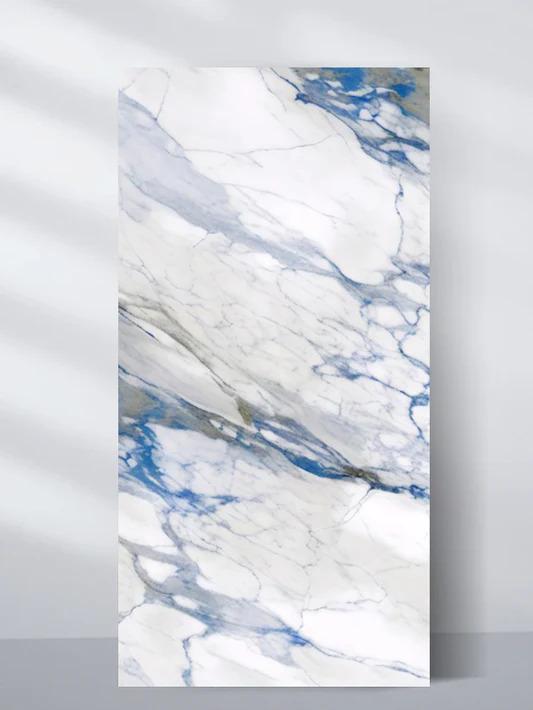
Modern interior design is all about combining style, durability, and affordability. Homeowners, architects, and commercial property owners are constantly looking for materials that provide an elegant appearance without the high cost and maintenance of natural stone. One of the most popular choices today is the premium PVC marble sheet. If you are searching for a premium PVC marble sheet near me...
The automobile industry depends on a strong supply chain to keep production and repairs running smoothly. Whether it's engine components, tyres, batteries, brake systems, or spare parts, every shipment needs to reach its destination safely and on time. That's where professional Automobile Parts Transport services play an important role. Transporting automobile parts is not just about...