


Vermont Consulting Foresters: Expert Guidance for Private Landowners

Owning forested land in Vermont comes with real responsibility. Trees need management, wildlife habitats need protecting, and tax programs require proper documentation. That's where Vermont consulting foresters come in, offering private, professional guidance tailored to your specific property and goals.
Unlike county foresters who work for the state, consulting foresters are independent professionals hired directly by landowners. They provide hands-on services that go beyond general advice, helping you actively manage, harvest, and protect your woodland investment.
What Do Consulting Foresters Do?
Consulting foresters work one-on-one with landowners to develop and execute forest management strategies. Their services typically include:
Writing detailed forest management plans
Marking and marketing timber for sale
Supervising logging operations
Conducting timber inventories and appraisals
Advising on Current Use tax program compliance
How They Differ from County Foresters
County foresters offer free general guidance through Vermont's state program. Consulting foresters, on the other hand, are paid professionals who take a more active role, often managing entire timber sales or long-term harvesting plans on your behalf.
Many landowners use both. A county forester might recommend hiring a consulting forester for a specific timber harvest or complex management project.
Benefits of Hiring a Consulting Forester
Better Timber Sale Outcomes – Consultants negotiate with loggers and buyers, often securing higher prices than landowners could alone.
Hands-On Project Management – They oversee harvesting to ensure work follows your management plan.
Time Savings – You don't need to coordinate loggers, permits, or paperwork yourself.
Long-Term Land Value – Professional oversight protects soil, water, and future timber growth.
Custom Strategies – Plans are built around your specific goals, whether that's income, conservation, or recreation.
Common Mistakes Landowners Make
Selling timber without a written contract
Hiring the first logger who offers a bid
Skipping a forest inventory before selling timber
Failing to verify a consultant's credentials or references
Best Practices for Choosing a Consulting Forester
Ask for references from past timber sale clients.
Confirm they're a member of the Vermont Consulting Foresters Association or similar professional body.
Request a written contract outlining fees and services.
Clarify whether fees are flat-rate or a percentage of timber sale value.
Discuss your long-term goals clearly before work begins.
Frequently Asked Questions
1. How much do consulting foresters charge? Fees vary, often a percentage of timber sale revenue or a flat consulting rate, depending on the project scope.
2. Do I need a consulting forester to sell timber? It's not required, but consultants typically secure better prices and ensure sustainable harvesting practices.
3. Are consulting foresters licensed? Vermont doesn't require state licensing, but many hold professional certifications through recognized forestry associations.
4. Can a consulting forester help with Current Use enrollment? Yes, many assist landowners with paperwork and compliance for Vermont's Current Use tax program.
5. How is a consulting forester different from a logger? Foresters manage and plan; loggers execute the physical harvesting work under the forester's oversight.
Conclusion
Vermont consulting foresters give landowners professional, hands-on support that goes beyond basic advice. From negotiating timber sales to managing long-term land health, their expertise protects both your investment and your forest's future.
Ready to protect your woodland's value? Reach out to a certified Vermont consulting forester today to discuss your property's management options.
Catégories
Lire la suite
When you have a need to contact a call girl in Abu Dhabi, you can book one through this website for some enjoyment and entertainment. Independent Escorts Girls in Abu Dhabi will treat you the way you want. They can hang out with you in public places, join you for dining and of course serve as your professional masseur and lover in bed. The good thing about escorts is that they will not ask...

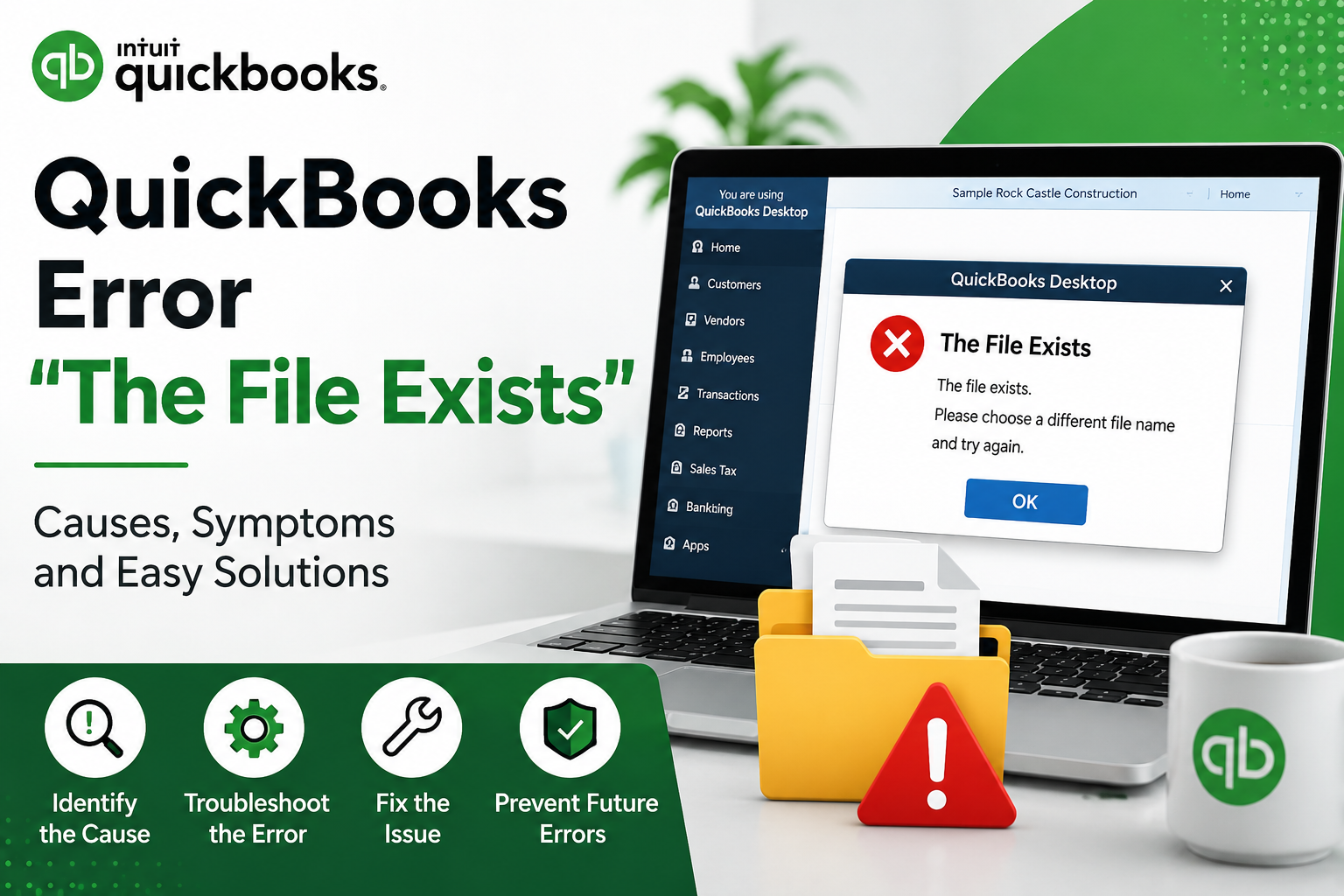
QuickBooks users often encounter various technical issues while managing accounting tasks, and one of the most frustrating among them is the “QuickBooks Error The File Exists” message. This error usually appears when printing invoices, generating reports, processing payroll, or saving forms as PDFs. It can interrupt workflow and prevent users from completing important financial...
New Projects in Financial District The New Projects in Financial District offer an excellent opportunity for homebuyers looking to own a modern home in one of Hyderabad's most sought-after locations. Known for its well-developed infrastructure, seamless connectivity, and premium residential communities, the Financial District has become a preferred destination for families, professionals, and...

Buy Telegram Accounts Buy Telegram accounts can be a game-changer for businesses looking to expand their digital footprint. With millions of active users, Telegram offers an unparalleled platform for marketing and audience engagement. ⚡️🕐 Instant Reply Guaranteed — Message now for quick assistance. 📉💎☎️📞➤Telegram: @getpvasmm 📉💎☎️📞➤Discord:getpvasmm 📉💎☎️📞➤WhatsApp: + 1 (830)...

Wedding Limousine Service: Adding Elegance to Your Special Day A wedding is one of the most memorable occasions in a person's life, and every detail contributes to making the day truly special. A wedding limousine service provides luxurious and reliable transportation that enhances the overall wedding experience. Arriving in a stylish limousine creates a grand entrance, adds sophistication to...