


What Is an Advanced Care Nursing Home? A Look at High-Acuity In-Patient Facilities
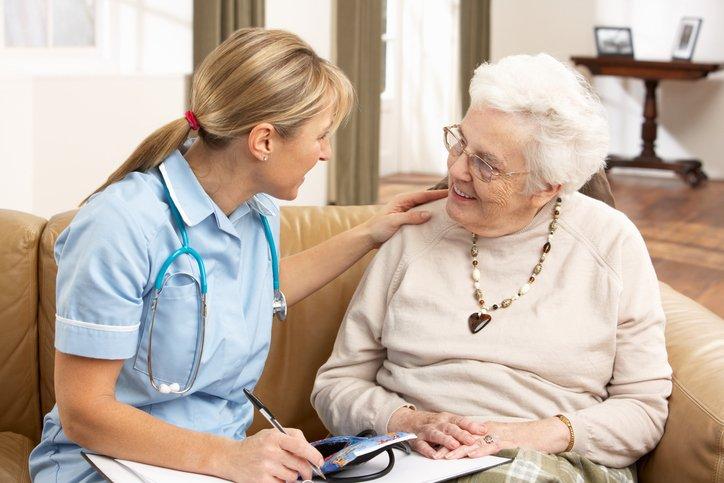
Choosing the right level of healthcare for a loved one can be challenging, especially when complex medical conditions require ongoing professional attention. While many patients recover successfully at home, others need continuous monitoring, specialized treatments, and around-the-clock clinical support that can only be provided in dedicated healthcare facilities. An advanced care nursing home is designed to meet these higher medical needs by offering comprehensive inpatient care for individuals with serious illnesses, chronic conditions, or complex rehabilitation requirements. Understanding how these facilities operate helps families make informed healthcare decisions during critical stages of recovery.
As healthcare becomes increasingly specialized, advanced nursing facilities play an essential role in bridging the gap between hospital care and long-term recovery. These facilities employ licensed nurses, physicians, rehabilitation therapists, and other healthcare professionals who work together to deliver evidence-based treatment plans tailored to each patient's condition. Unlike traditional residential care facilities, high-acuity nursing homes are equipped to manage medically complex patients who require continuous observation and advanced clinical interventions. Their goal is to stabilize health, promote recovery, and improve overall quality of life.
At the same time, many patients who no longer require inpatient treatment may safely transition to skilled nursing care at home under physician supervision. Understanding the differences between these healthcare settings allows families to choose the most appropriate level of care based on medical needs, recovery goals, and personal circumstances. This guide explains what advanced care nursing homes provide, who benefits from these facilities, and how they compare with home-based skilled nursing services.
What Is an Advanced Care Nursing Home?
An advanced care nursing home is a specialized inpatient healthcare facility that provides comprehensive medical care for individuals with complex or high-acuity healthcare needs. These facilities are designed for patients who require continuous nursing supervision, advanced medical treatments, rehabilitation, and assistance with daily living activities. Unlike standard long-term care centers, advanced nursing homes manage patients whose conditions require frequent clinical assessments and coordinated treatment from multiple healthcare professionals.
Patients admitted to an advanced care nursing home often require services such as intravenous therapy, wound management, respiratory care, medication administration, pain management, nutritional support, rehabilitation therapies, and ongoing medical monitoring. Licensed nurses provide around-the-clock care while collaborating closely with physicians, therapists, pharmacists, and specialists to ensure treatment plans remain effective and responsive to changing health conditions.
These facilities serve as an important step in the continuum of care by supporting patients who are no longer critically ill enough for hospitalization but still require intensive medical attention. Their structured healthcare environment promotes recovery while reducing the risk of complications that could otherwise result in hospital readmission.
Who Needs High-Acuity Nursing Care?
Patients admitted to an advanced care nursing home typically have medical conditions that require continuous supervision and specialized treatment. Individuals recovering from major surgeries, severe infections, strokes, traumatic injuries, neurological disorders, or complex orthopedic procedures often benefit from inpatient nursing care while regaining strength and stability. Continuous monitoring allows healthcare professionals to identify medical changes quickly and respond before complications become serious.
Many residents also live with chronic illnesses such as advanced heart disease, chronic obstructive pulmonary disease, kidney disease, diabetes with complications, or progressive neurological conditions. These patients frequently require medication adjustments, respiratory treatments, nutritional management, wound care, and ongoing nursing assessments that exceed the capabilities of standard residential care facilities. Coordinated clinical support helps maintain health while improving long-term outcomes.
Some patients require advanced nursing care because they depend on feeding tubes, tracheostomies, ventilators, intravenous medications, or other specialized medical equipment. Caring for these complex medical needs demands experienced healthcare professionals with advanced clinical training who can safely manage sophisticated treatments throughout the day and night.
Medical Services Available in Advanced Care Facilities
An advanced care nursing home provides a broad range of medical services designed to meet the needs of patients with complex health conditions. Skilled nursing is available twenty-four hours a day to administer medications, monitor vital signs, manage pain, perform wound care, provide injections, and respond to changes in patient health. Continuous nursing supervision ensures that medical concerns are identified and addressed promptly.
Rehabilitation services play an important role within these facilities. Physical therapists help patients regain mobility, strength, and balance following illness or injury, while occupational therapists focus on restoring the ability to perform daily living activities safely. Speech-language pathologists assist individuals recovering from strokes or neurological disorders who experience communication or swallowing difficulties. These therapies work together to maximize recovery and improve independence whenever possible.
Additional services may include respiratory therapy, nutritional counseling, laboratory testing, pharmacy management, infection prevention, social work support, and psychological counseling. Every patient's treatment plan is developed through collaboration among healthcare professionals to ensure comprehensive, evidence-based care that addresses both immediate medical concerns and long-term recovery goals.
Advanced Care Nursing Home vs. Skilled Nursing Care at Home
While an advanced care nursing home provides continuous inpatient medical supervision, skilled nursing care at home allows medically stable patients to receive professional clinical treatment without leaving their residence. Home-based nursing services include medication management, wound care, chronic disease monitoring, injections, intravenous therapy, health assessments, and patient education under physician supervision. Patients benefit from receiving personalized care while remaining in familiar surroundings.
The primary difference lies in the intensity of medical supervision. Advanced nursing facilities are appropriate for patients requiring around-the-clock observation, complex medical equipment, or frequent nursing interventions that cannot safely be delivered during scheduled home visits. Home healthcare is generally recommended for individuals whose conditions are stable enough to be managed through intermittent nursing visits combined with family or caregiver support.
Choosing between these settings depends on physician recommendations, patient safety, rehabilitation goals, and the availability of caregivers at home. Many individuals begin recovery within an advanced care nursing home before transitioning to skilled nursing care at home as their condition improves. This step-down approach supports continuity of care while promoting greater independence over time.
Benefits of High-Acuity Inpatient Care
One of the greatest advantages of an advanced care nursing home is continuous access to licensed healthcare professionals who can respond immediately to changes in a patient's condition. Ongoing monitoring reduces the risk of untreated complications while ensuring medications, therapies, and medical interventions remain properly coordinated. Patients receive comprehensive care from multidisciplinary teams dedicated to supporting recovery and maintaining overall health.
Advanced inpatient facilities also provide specialized rehabilitation programs that may not be available in less intensive healthcare settings. Daily therapy sessions, physician oversight, and coordinated nursing support create an environment focused on maximizing functional recovery while minimizing long-term disability. Structured treatment schedules encourage consistent progress throughout the rehabilitation process.
Families often experience greater peace of mind knowing their loved one receives continuous professional supervision. Healthcare providers maintain regular communication with family members regarding treatment progress, medical updates, and discharge planning. This collaborative approach strengthens decision-making while preparing patients for eventual transitions to lower levels of care when medically appropriate.
Choosing the Right Level of Care
Selecting the appropriate healthcare setting begins with a comprehensive medical evaluation conducted by physicians and other healthcare professionals. Factors such as diagnosis, mobility, cognitive function, rehabilitation needs, medication complexity, and overall medical stability determine whether an advanced care nursing home or skilled nursing care at home is the safest and most effective option. Individualized assessments ensure patients receive care that matches their specific health requirements.
Families should also consider emotional well-being, personal preferences, caregiver availability, and long-term recovery goals when evaluating healthcare options. While some patients benefit from remaining close to family in a home environment, others require continuous clinical supervision that can only be provided within specialized inpatient facilities. Open communication with healthcare providers helps families understand these recommendations and make informed decisions.
Planning for future transitions is equally important because healthcare needs often change during recovery. Patients who improve with inpatient treatment may later qualify for home-based skilled nursing, allowing them to continue rehabilitation while enjoying greater independence. Flexible care planning supports smoother transitions between healthcare settings while maintaining continuity of treatment.
Conclusion
An advanced care nursing home provides specialized inpatient medical care for individuals with complex health conditions requiring continuous nursing supervision, advanced therapies, and coordinated clinical treatment. These facilities serve an essential role in helping patients recover from serious illnesses, surgeries, neurological disorders, and other medically challenging conditions that demand around-the-clock professional attention. Comprehensive rehabilitation and multidisciplinary care teams work together to improve recovery outcomes while supporting long-term health.
For medically stable patients, skilled nursing care at home offers an effective alternative that combines professional medical treatment with the comfort and familiarity of home. Licensed nurses provide individualized clinical services while collaborating closely with physicians to monitor progress and adjust treatment plans as needed. Many patients successfully transition from inpatient facilities to home healthcare as their condition improves, ensuring continuity of care throughout recovery.
Understanding the differences between an advanced care nursing home and skilled nursing care at home enables families to make confident, informed healthcare decisions. By selecting the care setting that best matches the patient's medical needs, rehabilitation goals, and personal circumstances, families can support safer recoveries, improved quality of life, and better long-term health outcomes through compassionate, evidence-based care.
Kategorien
Mehr lesen
According to the latest report published by Data Bridge Market Research, the Lignin Market The lignin market is expected to undergo a CAGR of 3.60% during the forecast period. This indicates that the market value, which was USD 2.17 billion in 2021, would rocket up to USD 2.88 billion by 2029. Today’s businesses are more inclined towards the market research report because it...

According to the latest report published by Data Bridge Market Research, the Gift Card Market The global Gift Card market was valued at USD 1186.93 billion in 2024 and is expected to reach USD 3433.65 billion by 2032. During the forecast period of 2025 to 2032 the market is likely to grow at a CAGR of 14.20%, primarily driven by the increasing adoption of digital and e-gift cards...

Buy Yahoo Accounts from getpvasmm.com In today’s digital age, having an online presence is more crucial than ever. Yahoo accounts are a gateway to numerous services, from email communication to news and social networking. But managing just one account can be limiting, especially for professionals or businesses that require multiple profiles. This is where the option to buy Yahoo accounts...

Operating a retail store in a bustling commercial area brings fantastic business opportunities, but it also exposes you to persistent challenges like shoplifting and organized retail crime. Shoplifting and inventory loss can quickly drain your profits, hurt employee morale, and damage your business budget. While security cameras and electronic tags help, they cannot replace the immediate impact...