


How Families Can Prepare for Tube Feeding at Home Care
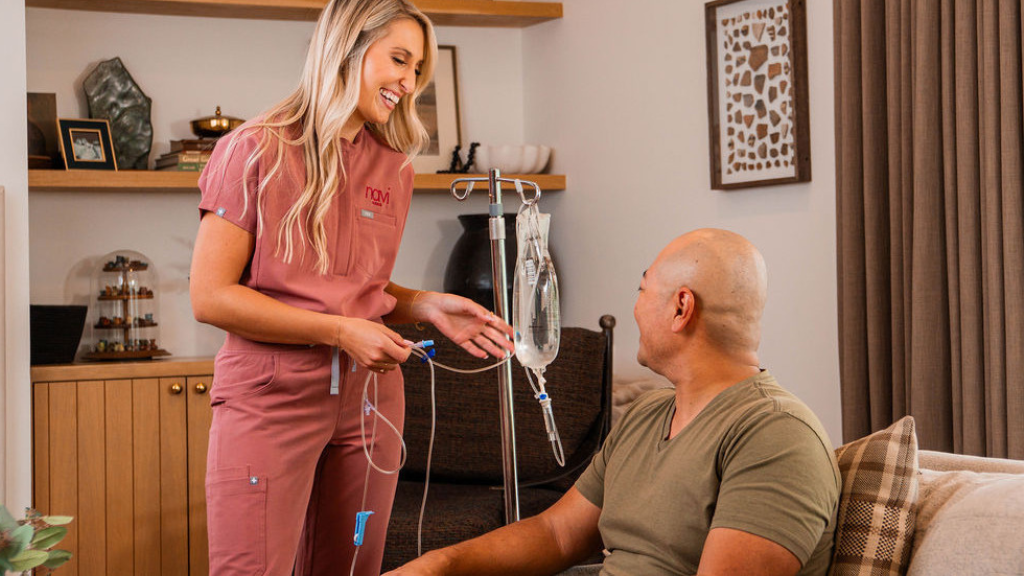
When a loved one requires nutritional support due to a medical condition, surgery, or difficulty eating normally, families often need guidance on how to provide safe and effective care. Tube feeding at home in Dubai has become an important healthcare solution that allows patients to receive essential nutrition while staying in a comfortable and familiar environment. With the support of a Doctor at Home and trained healthcare professionals, families can learn the correct techniques, understand feeding routines, and create a supportive care setting. Proper preparation helps ensure patient safety, improves confidence among caregivers, and contributes to a smoother recovery experience.
Understanding Tube Feeding Before Starting Home Care:
Before beginning home tube feeding, families should understand what the process involves and why it is recommended. Tube feeding delivers nutrition, fluids, and sometimes medications directly into the stomach or small intestine through a specialized feeding tube. Patients may require this type of nutritional support because of swallowing difficulties, neurological conditions, surgery recovery, or other health challenges. Learning the purpose of tube feeding helps families become more comfortable with the process and better prepared to support their loved one's daily needs.
Learning About the Patient’s Feeding Requirements:
Every patient has different nutritional needs based on their medical condition, age, weight, and recovery goals. Families should work closely with healthcare professionals to understand the specific feeding plan created for the patient. This includes knowing the type of feeding formula, feeding schedule, required fluid intake, and any special instructions related to medications or care routines. A clear understanding of these requirements helps prevent mistakes and ensures that the patient receives proper nutritional support.
Preparing the Home Environment for Tube Feeding Care:
Creating a safe and organized home environment is an essential step before starting tube feeding. Families should prepare a clean and comfortable area where feeding supplies can be stored and daily care can be performed efficiently. Keeping everything organized reduces stress and makes feeding routines easier to manage.
Important preparation steps include:
- Creating a clean feeding area
- Organizing feeding supplies in one accessible location
- Ensuring proper lighting for care procedures
- Maintaining a comfortable position for the patient during feeding
- Keeping emergency contact information available
- Following recommended hygiene practices
A well-prepared environment supports safer care and helps caregivers feel more confident.
Learning Proper Feeding Techniques:
Caregivers should receive proper education before managing tube feeding at home. Healthcare professionals can demonstrate how to prepare feeding formulas, connect feeding equipment, maintain tube cleanliness, and follow feeding schedules correctly. Hands-on training allows family members to practice under supervision and understand how to respond to common situations. Proper technique reduces the risk of complications and ensures that patients receive nutrition safely.
Understanding Tube Care and Hygiene Practices:
Maintaining cleanliness is one of the most important parts of successful home tube feeding. Families must understand how to care for the feeding tube, surrounding skin, and related equipment. Good hygiene reduces the risk of infections and helps maintain the effectiveness of the feeding process.
Essential hygiene practices include:
- Washing hands before handling feeding equipment
- Cleaning supplies according to healthcare instructions
- Checking the tube site regularly
- Keeping feeding containers and equipment properly stored
- Following replacement instructions for supplies
Consistent hygiene routines create a safer environment for long-term nutritional care.
Recognizing Signs That Require Medical Attention:
Families should know how to identify possible concerns during tube feeding. While many patients adjust well to home feeding, caregivers need to monitor for changes that may require professional advice. Early recognition of problems can help prevent complications and ensure timely support.
Warning signs may include:
- Unusual discomfort during feeding
- Persistent nausea or vomiting
- Swelling or irritation around the tube site
- Changes in feeding tolerance
- Signs of dehydration
- Unexpected changes in the patient's condition
Maintaining regular communication with healthcare providers allows families to address concerns quickly and confidently.
Building Confidence Through Professional Support:
Managing tube feeding at home may initially feel challenging for families, but professional support can make the process easier. Nurses and healthcare providers guide caregivers through each step, answer questions, and provide ongoing assessments. Regular professional assistance helps families develop confidence while ensuring that the patient's nutritional needs continue to be managed safely.
Creating a Consistent Feeding Routine:
A structured routine helps both patients and caregivers adjust to tube feeding at home. Families should establish regular feeding times, organize supplies in advance, and maintain records of feeding schedules when recommended. Consistency improves patient comfort and makes it easier to monitor nutritional intake. A predictable routine also allows caregivers to balance tube feeding responsibilities with other daily activities.
Supporting Emotional Well-Being During Tube Feeding Care:
Tube feeding is not only a physical healthcare process but also an emotional adjustment for patients and families. Some individuals may feel frustrated about changes in their eating habits or dependence on nutritional support. Families can provide encouragement, patience, and emotional reassurance throughout the process. Maintaining social interaction, involving patients in daily activities, and creating a positive environment can improve confidence and overall well-being.
Managing Supplies and Equipment Effectively:
Proper management of feeding supplies helps ensure uninterrupted care. Families should keep track of feeding formulas, syringes, tubes, and other required equipment. Planning ahead prevents shortages and allows caregivers to maintain consistent feeding routines.
Families should consider:
- Checking supply levels regularly
- Storing products according to instructions
- Replacing equipment as recommended
- Keeping backup supplies available when advised
- Maintaining communication with healthcare providers about equipment needs
Good organization reduces stress and supports efficient daily care.
The Importance of Ongoing Monitoring and Follow-Up:
Tube feeding care requires continuous evaluation to ensure that patient needs are being met. Healthcare professionals monitor nutritional progress, weight changes, hydration, and overall health. Follow-up assessments allow feeding plans to be adjusted based on recovery progress or changes in medical condition. Regular monitoring ensures that patients continue receiving appropriate nutritional support throughout their healthcare journey.
How Family Preparation Improves Patient Recovery:
A prepared and informed family can make a significant difference in a patient's recovery experience. When caregivers understand feeding procedures, safety measures, and emotional support needs, patients often feel more comfortable and secure. Family involvement creates a strong support system that encourages recovery while helping patients maintain dignity and independence during treatment.
Final Thoughts:
Preparing for Tube feeding at home in Dubai requires knowledge, organization, and strong support from healthcare professionals and family members. By understanding feeding requirements, creating a safe home environment, learning proper techniques, and maintaining consistent hygiene, families can provide effective nutritional care for their loved ones. With professional guidance, careful planning, and compassionate support, home tube feeding can become a comfortable and manageable part of recovery, helping patients receive the nutrition they need while enjoying the comfort of home.
Κατηγορίες
Διαβάζω περισσότερα
Every successful business reaches a point where financial decisions become more complex than simply balancing income and expenses. In the early stages, many business owners manage their finances themselves or rely on a small accounting team. As the company grows, however, financial planning becomes increasingly challenging. Cash flow fluctuates, operating costs increase, compliance requirements...

Buy Google Ads Account In the hyper-competitive landscape of global digital commerce, securing a reliable traffic network is the defining factor that controls the scaling speed of your company. While registering a fresh search console dashboard costs no upfront capital, newly created setups lack the historical trust footprints needed to handle intensive bidding distributions or manage...

Achieving and maintaining a healthy weight is no longer about temporary diets or quick fixes—it requires a structured, science-backed approach. Many individuals struggle with inconsistent results due to ineffective methods that fail to address the root causes of weight gain. In today’s fast-paced lifestyle, choosing the right weight loss treatment is essential for long-term success...