


8 Key Advantages of Direct Hair Implantation Over Traditional Methods
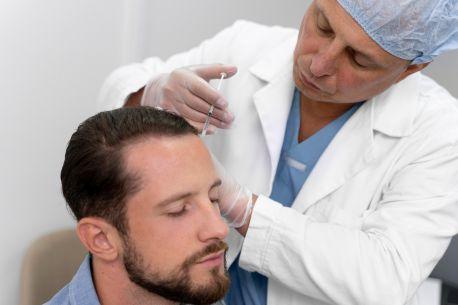
Choosing a hair restoration method can feel overwhelming when you're faced with a wall of medical jargon and conflicting advice. Most people just want to know one thing: which technique gives the most natural result with the least hassle?
That's where direct hair implantation comes in. Unlike older transplant techniques that rely on multiple manual steps, this method uses a specialised pen-like tool to extract and place hair follicles in a single motion. At The Skin and Hair Clinic in Liverpool, our GMC-registered surgeons use this approach to help patients achieve fuller, natural-looking hair with far less disruption to daily life. Here are eight reasons it's changing the game for hair restoration.
What Makes Direct Hair Implantation Different?
Traditional transplant methods, like FUE and FUT, involve extracting follicles first, storing them, and then creating incisions before placing each graft by hand. Direct implantation skips the separate incision step entirely. The surgeon loads each follicle into a fine, hollow needle called a Choi pen and implants it straight into the scalp at the correct angle and depth in one movement.
This small change in process leads to some noticeably big differences in outcome, comfort, and recovery, which is exactly what we're breaking down below.
8 Key Advantages of This Technique
1. Follicles Spend Less Time Outside the Body
In older methods, extracted grafts sit in a holding solution for a while before they're placed. The longer they wait, the more their survival chances can drop. Because implantation happens almost immediately after extraction, follicles stay healthier and are ready to grow the moment they're placed.
2. Higher Graft Survival Rates
Fresher grafts combined with more precise placement generally mean a better take rate. Surgeons can control the depth and angle of each follicle individually, which reduces the trauma grafts experience during the process.
3. No Shaving of the Full Head
Many patients avoid transplants purely because they don't want a shaved head. With this technique, only the area being treated needs a trim in most cases, so patients with longer hair can often keep their existing style intact while their new grafts settle in.
4. Denser, More Natural-Looking Results
Because the surgeon places each follicle by hand at a specific angle and spacing, hairlines and crown areas can look softer and more natural. Density can also be packed in tighter than with methods requiring pre-made incisions, since there's more control over follicle placement.
5. Minimal Scarring
There's no strip removal and no row of linear incisions to heal from. The tiny puncture points created by the implanter tool are far less noticeable, which matters a lot to patients who like to wear their hair short.
6. Shorter Recovery Time
Smaller wounds tend to heal faster. Most patients notice less swelling and redness within the first week, and many are comfortable returning to light daily activities sooner than they would after a strip harvest procedure.
7. Greater Precision for Tricky Areas
Hairlines, eyebrows, and beard lines all need very specific angles to look believable. Direct implantation gives surgeons finer control over each individual placement, which makes it a strong choice for detailed work in small, visible zones.
8. Works Well for Both Small Touch-Ups and Larger Sessions
Whether someone needs to thicken a receding hairline or restore a wider area of thinning, this method adapts well. Surgeons can adjust graft density across different zones of the scalp within the same session, building a result that looks layered rather than uniform.
A Quick Expert Note
Patients often ask us why this method costs more than standard FUE. The honest answer is that it takes longer in the surgical chair and requires a highly trained hand, since every graft is placed individually rather than slotted into pre-cut sites. For patients who want denser packing with minimal scarring, that extra time investment tends to be worth it. It's one of the reasons direct hair implantation has become one of our most requested treatments at the clinic.
Common Mistake to Avoid
Don't judge a technique purely on price. A cheaper quote sometimes means fewer grafts, less experienced technicians, or rushed placement. Ask any clinic exactly how many grafts are included, who performs the procedure, and what their aftercare programme looks like before booking.
Ready for Fuller, More Natural-Looking Hair?
If thinning hair has been knocking your confidence, now is a good time to explore your options properly. At The Skin and Hair Clinic in Liverpool, our GMC-registered surgeons and CQC-regulated team have helped thousands of patients achieve natural, long-lasting results with advanced techniques, including DHI, FUE, and FUT.
Book your free consultation today and get a personalised assessment of your scalp, donor supply, and the best treatment path for your goals.
Frequently Asked Questions
1. Is direct implantation more painful than traditional transplants?
No. The procedure is done under local anaesthetic, so patients typically feel comfortable throughout. Any mild soreness afterwards is usually manageable with standard aftercare guidance.
2. How long do results take to show?
Transplanted hair usually sheds within a few weeks before new growth begins around month three or four, with fuller results visible by month nine to twelve.
3. Am I a good candidate for this technique?
Most people with sufficient donor hair at the back or sides of the scalp are suitable candidates. A consultation with a qualified surgeon will confirm whether it's the right fit for your hair loss pattern.
4. How many grafts can be done in one session?
This varies by patient, but sessions commonly range from a few hundred grafts for small touch-ups to several thousand for larger areas, depending on donor availability and scalp condition.
5. Does this method leave any visible scarring?
Scarring is minimal and typically limited to tiny puncture points that fade over time, making it a popular choice for patients who prefer to wear their hair very short.
Categorías
Read More
A ring gold design is more than just a piece of jewelry it is a symbol of elegance, love, and timeless fashion. Gold rings have remained one of the most popular jewelry choices for generations because they combine beauty with lasting value. Whether you are shopping for an engagement, wedding, anniversary, birthday, or everyday wear, choosing the right gold ring design can enhance your personal...

Buy Instagram Accounts In the fast-paced world of social media, standing out can feel like an uphill battle. With millions of accounts vying for attention, how do you ensure your brand gets noticed? Getpvasmm One innovative solution gaining traction is buying Instagram accounts. Imagine stepping into a vibrant 🌏🗣🔥👉➤For low-cost, high-quality accounts, 🌏🗣🔥👉➤Telegram: @getpvasmm...

You take up space differently. In shades of black, beige, and khaki, these car s are as iconic as they come, made to withstand any rain-filled days you might face, while still looking chic on those filled with sun. While the need for better worker protections has always been present, the consequences of inaction are rising, associate professor. What has caused the significant creative reset is...

Protecting residential, commercial, and industrial properties requires more than strong walls and locked gates. Modern security solutions combine multiple technologies to create a layered defence against unauthorized access. Two of the most important components of an effective security strategy are professionally installed perimeter fencing and reliable intercom systems. Together, they...

