


How South Korea's Tire Industry Is Adapting to the Electric Mobility Era
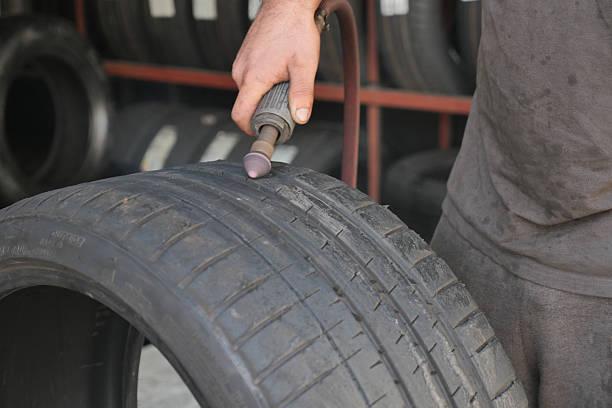
South Korea's tire industry is undergoing a significant transformation as electric vehicles (EVs), advanced manufacturing, and sustainability initiatives reshape automotive demand. The country is home to globally recognized tire manufacturers with strong research and development capabilities, making it one of Asia's leading hubs for tire innovation. Instead of focusing solely on production volumes, manufacturers are increasingly investing in technologies that improve durability, energy efficiency, and vehicle performance.
According to the latest MarkNtel Advisors analysis, the South Korea tire sector is being influenced by rising EV adoption, increasing demand for replacement tires, and continuous technological advancements in premium tire manufacturing. Rather than relying on traditional tire designs, manufacturers are introducing products tailored to the unique requirements of electric and connected vehicles.
Government support for cleaner transportation is also contributing to this shift. South Korea has expanded policies that encourage low-emission mobility, while investments in charging infrastructure continue to strengthen the country's EV ecosystem. These developments create new opportunities for tire manufacturers to develop products that improve energy efficiency and driving comfort. According to the International Energy Agency (IEA), accelerating electric vehicle adoption requires continuous improvements across the automotive supply chain, including tire technologies that reduce rolling resistance and enhance vehicle efficiency.
Electric Vehicles Are Creating New Tire Requirements
Electric vehicles place different demands on tires compared to conventional internal combustion engine vehicles. Their heavier battery packs, instant torque delivery, and quieter cabins require tires capable of handling higher loads while minimizing road noise.
As a result, South Korean manufacturers are developing EV-specific tires that feature:
- Lower rolling resistance to maximize driving range
- Improved grip for higher torque output
- Reduced cabin noise
- Enhanced durability for heavier vehicle weights
These specialized products are becoming an important competitive advantage for domestic manufacturers serving both local automakers and export markets.
Innovation Is Becoming a Core Competitive Strategy
South Korea has long been recognized for technological innovation, and its tire industry is following the same trajectory. Companies continue investing in advanced materials, digital manufacturing, and smart tire technologies that improve safety and performance.
Current innovation areas include:
- Sensor-enabled smart tires
- AI-supported tire performance monitoring
- Advanced silica compounds
- Sustainable raw materials
- Lightweight tire construction
Research into connected mobility is expected to further accelerate development of intelligent tires capable of providing real-time information about tire pressure, wear, temperature, and road conditions.
Sustainability Is Reshaping Manufacturing
Environmental regulations and consumer expectations are encouraging manufacturers to reduce the environmental impact of tire production.
Key sustainability initiatives include:
- Increased use of recycled rubber materials
- Bio-based raw materials
- Energy-efficient manufacturing processes
- Reduced carbon emissions during production
- Longer tire life cycles to minimize waste
Organizations such as the International Energy Agency continue to emphasize that improving vehicle efficiency requires innovation throughout the automotive value chain rather than focusing solely on vehicle powertrains.
Replacement Demand Remains an Important Growth Driver
While original equipment manufacturer (OEM) demand remains significant, replacement tires continue to represent a major source of business across South Korea.
Several factors contribute to replacement demand:
- Increasing vehicle ownership
- Regular maintenance cycles
- Consumer preference for premium tires
- Seasonal weather variations
- Growing awareness of road safety
Vehicle owners are increasingly selecting replacement tires based on performance, fuel efficiency, noise reduction, and longevity instead of price alone.
Export Strength Supports Industry Expansion
South Korea remains an important exporter of premium tires to international automotive markets. Domestic manufacturers have established strong relationships with global automakers, supplying tires for passenger vehicles, SUVs, commercial vehicles, and electric vehicles.
Their ability to compete internationally is supported by:
- Strong research and development capabilities
- High manufacturing standards
- Continuous product innovation
- Global production networks
- Advanced quality control systems
These strengths help South Korean companies remain competitive despite increasing pressure from manufacturers across Asia and Europe.
Digital Manufacturing Is Improving Efficiency
Industry 4.0 technologies are becoming increasingly common across South Korean tire manufacturing facilities.
Manufacturers are integrating:
- Artificial intelligence
- Predictive maintenance systems
- Robotics
- Automated quality inspection
- Digital production monitoring
These technologies help improve manufacturing consistency while reducing production costs and minimizing material waste.
Consumer Expectations Continue to Evolve
Modern vehicle owners expect more than basic durability from tires. Purchasing decisions increasingly consider:
- Driving comfort
- Fuel efficiency
- Wet road performance
- Low noise levels
- Sustainability
- Smart monitoring capabilities
This shift is encouraging manufacturers to diversify product portfolios and invest in premium technologies rather than competing primarily on price.
Looking Ahead
South Korea's tire industry is entering a new phase where technological innovation, electric mobility, and sustainable manufacturing are becoming central competitive factors. As vehicle technologies continue evolving, tire manufacturers will play an increasingly important role in improving vehicle efficiency, safety, and overall driving experience.
According to the latest MarkNtel Advisors research, the industry is expected to continue benefiting from ongoing innovation, replacement demand, and expanding opportunities associated with electric mobility. Companies capable of combining advanced materials, smart technologies, and environmentally responsible manufacturing practices are likely to remain well positioned as automotive technologies continue to evolve.
Catégories
Lire la suite
Buy Old Gmail Account for Email-Based Business Tasks Managing the daily administrative overhead of a modern digital corporation requires communication systems that function without unpredictable service interruptions. When your staff is assigned to coordinate supply chain logistics, manage incoming customer billing receipts, or anchor essential application programming interface (API) keys,...

In the current electric community, working with a webpage is simply the first thing for constructing a flourishing internet position. SEO Backlink Service Scores of web pages participate to get particular attention on a daily basis, defining it as tricky to get enterprises so that you can get noticed. This is certainly when WEBSITE POSITIONING expert services develop into critical. Web...

Choosing a penis pump is easier when you know what features to look for and where to shop. Because these devices use controlled vacuum pressure, buying from a reputable adult wellness retailer can help you find products with clear specifications, sizing information, and usage instructions. If you are searching for where to buy a penis pump, online adult wellness stores can be a convenient...

Buy Snapchat Accounts Are you looking to boost your brand’s online presence? If so, you’ve likely considered various social media platforms. Among them, Snapchat has emerged as a powerful tool for businesses seeking to engage with younger audiences. But have you ever thought about the potential of buying Snapchat accounts? While this might sound unconventional, it can be a...

Introduction The growing demand for CBD products has significantly increased the need for high-quality packaging. In this competitive market, "CBD packaging boxes" play a vital role in protecting products and creating a strong brand identity. These boxes are specially designed to meet industry standards while attracting customers through unique and appealing designs. Importance of Packaging in...