


Government vs Private Nasha Mukti Kendra Guide
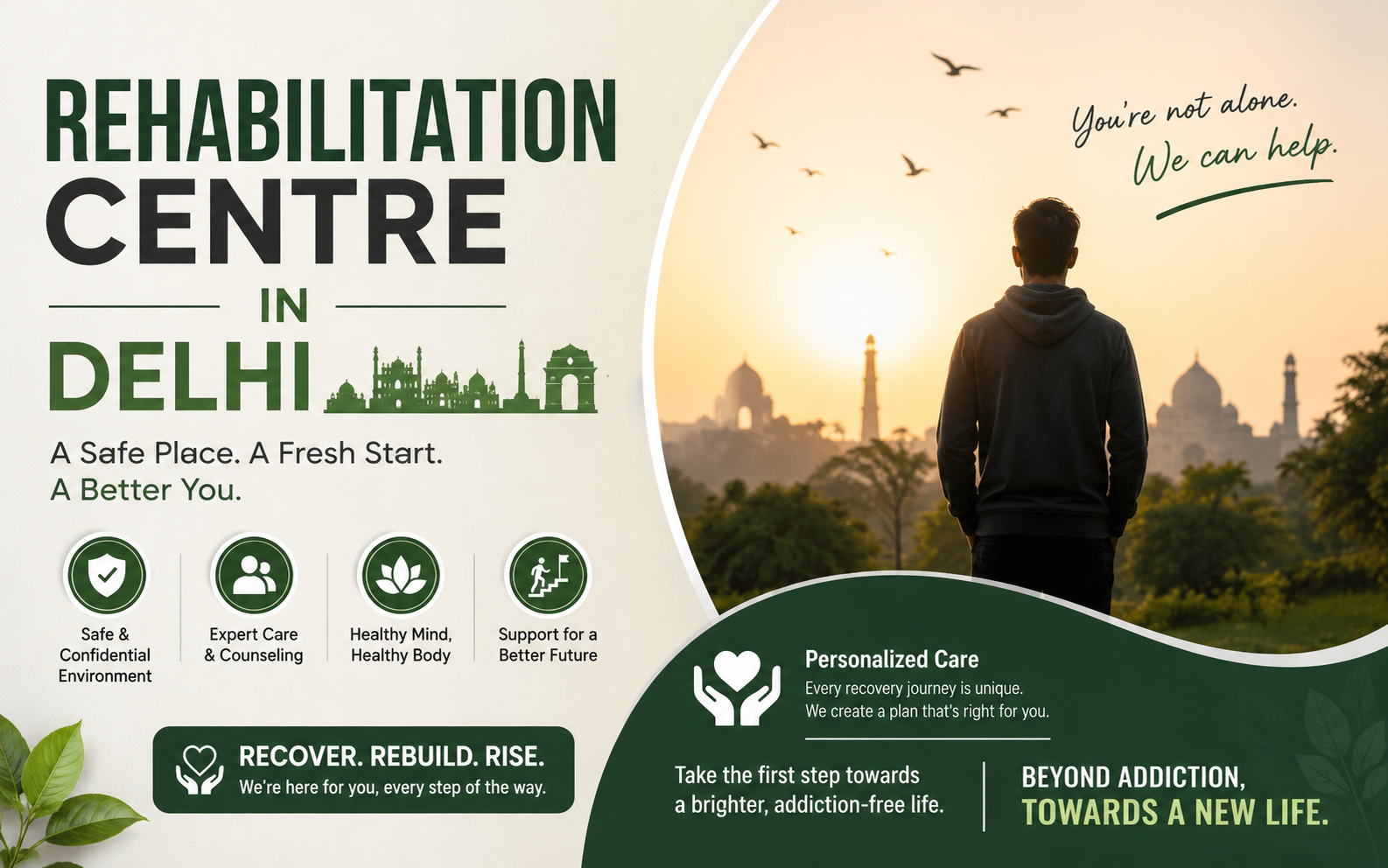
One of the biggest decisions families face is whether to select a government-run centre or a private one. Both aim to help people overcome addiction, but they often differ in facilities, treatment approach, waiting time, and support services.
Many people assume that private always means better or that government centres only offer basic care. Neither assumption tells the full story. The right choice depends on the person's condition, treatment needs, financial situation, and the type of support required during recovery.
This guide explains the differences in a simple, practical way so you can make an informed decision without getting lost in confusing information.
Why the Choice Matters
Addiction affects physical health, emotional well-being, relationships, and daily life. Choosing a treatment centre is not like picking a restaurant where a bad meal only ruins your evening. A thoughtful decision can improve recovery outcomes, while the wrong environment may make the journey harder.
Instead of focusing only on cost or location, look at the quality of care, treatment planning, and ongoing support.
Understanding Government Nasha Mukti Kendras
Government-supported de-addiction centres usually operate through public hospitals, medical colleges, or organisations working under government-backed programmes. Their primary goal is to make addiction treatment more accessible to people from different financial backgrounds.
Many of these centres provide services such as:
-
Medical assessment
-
Detoxification support
-
Counselling
-
Basic psychological care
-
Follow-up guidance
Because these centres often serve a large number of patients, waiting periods may be longer, and resources may vary depending on the location.
What Makes Private Nasha Mukti Kendras Different?
Private centres generally offer more personalised treatment plans, residential facilities, smaller patient groups, and additional recovery programmes. Many also provide family counselling, structured daily schedules, relapse prevention planning, and recreational activities that encourage healthy routines.
Private treatment does not automatically guarantee better results. The quality depends on the experience of the treatment team, ethical practices, and the recovery programme itself.
If you're comparing a Trusted Nasha Mukti Kendra Delhi, always evaluate the services offered rather than assuming quality based on ownership alone.
Government vs Private: A Practical Comparison
Choosing between the two becomes easier when you compare the factors that directly affect recovery.
|
Government Centre |
Private Centre |
|
Usually lower treatment costs |
Higher treatment costs |
|
May have longer waiting times |
Faster admission in many cases |
|
Basic treatment facilities |
More personalised programmes |
|
Larger patient groups |
Smaller treatment groups |
|
Essential counselling services |
Broader therapy options |
|
Resources vary by location |
Facilities differ between providers |
Neither option fits everyone.
Treatment Quality Depends on More Than Ownership
Many families focus only on whether a centre is government or private.
Ask questions like:
-
Does the centre conduct proper medical assessments?
-
Are counselling sessions part of treatment?
-
Is there a structured daily routine?
-
Does the programme include family participation?
-
What happens after discharge?
A strong recovery programme answers these questions clearly.
Cost Should Never Be the Only Factor
Budget naturally influences decisions, but choosing treatment solely because it is cheaper or more expensive rarely leads to the best outcome.
Government centres help many people access addiction treatment who might otherwise struggle to afford it.
Private centres often provide additional services that some patients may benefit from, especially when they need closer supervision or more individual attention.
Think of it like buying running shoes. Expensive shoes won't help if they don't fit, and affordable ones can work perfectly when they meet your needs.
The same logic applies to addiction treatment.
Questions to Ask Before Admission
Before selecting any treatment facility, collect clear information.
Consider asking:
How is the treatment plan prepared?
Recovery should match the patient's condition rather than following a one-size-fits-all programme.
Who provides counselling?
Qualified professionals should guide therapy sessions and monitor progress throughout treatment.
Is family involved?
Family support often strengthens long-term recovery and improves communication after treatment.
What happens after discharge?
Recovery continues beyond residential treatment. Follow-up support and relapse prevention planning remain important.
Choosing a Nasha Mukti Kendra in Delhi
Families searching for a Nasha Mukti Kendra in Delhi often find dozens of options online. Attractive websites and impressive promises should never replace careful research.
Instead, compare centres based on:
-
Treatment approach
-
Staff qualifications
-
Individual care plans
-
Safety standards
-
Family involvement
-
Aftercare services
-
Transparency during admission
A trustworthy centre welcomes questions and explains its recovery process honestly instead of promising instant results.
Signs of a Reliable Recovery Centre
Whether government or private, reliable centres usually share several important characteristics.
Personalised Care
Every patient has different challenges. Treatment should reflect those differences.
Professional Support
Recovery requires experienced professionals who understand addiction and behavioural change.
Structured Routine
Daily schedules help patients rebuild discipline, confidence, and healthy habits.
Focus on Long-Term Recovery
Effective centres prepare patients for life after treatment instead of focusing only on short-term improvement.
Respect and Dignity
Compassion and respect create an environment where people feel safe enough to begin recovery.
Common Myths About Government and Private Centres
Several misconceptions still influence treatment decisions.
Myth: Private centres always provide better recovery.
Reality: Results depend on treatment quality, patient participation, and ongoing support—not ownership.
Myth: Government centres only provide detox.
Reality: Many government-supported facilities also offer counselling and rehabilitation services.
Myth: Higher fees guarantee better outcomes.
Reality: Recovery depends on the right treatment plan, professional guidance, and the patient's commitment to change.
Which One Should You Choose?
There is no universal answer because addiction recovery is highly personal.
A government centre may suit someone looking for accessible treatment with essential medical and counselling support.
A private centre may suit someone who needs more personalised attention, residential care, or additional therapeutic programmes.
If you are comparing a Nasha Mukti Kendra in Delhi, focus less on the label and more on whether the centre provides safe, ethical, and structured care tailored to the individual's needs.
Final Thoughts
Choosing between a government and private Nasha Mukti Kendra is not about finding the "better" option. It is about finding the right option.
Both types of centres can play an important role in addiction recovery when they provide qualified care, clear treatment planning, and consistent support. Instead of being influenced by marketing claims or assumptions, evaluate each centre carefully, ask detailed questions, and involve the family in the decision-making process.
The right environment, experienced professionals, and a personalised recovery plan can make a meaningful difference. Recovery takes time, commitment, and support—but choosing the right treatment centre is often the first step toward lasting change.
Categorias
Leia mais
Buy New & Old Twitter Accounts Are you looking to expand your social media presence quickly and effectively? Buying new or old Twitter accounts might be the solution you’ve been searching for. Whether you’re a business aiming to connect with a larger audience or an individual wanting to boost your personal brand, acquiring established Twitter accounts can save you time and...

Addiction can affect almost every part of a person’s life, including physical health, emotional well-being, relationships, work, and family stability. While accepting the need for professional help can be difficult, taking that first step can make a meaningful difference in the recovery journey. A structured treatment environment can provide guidance, accountability, emotional support,...

According to the latest report published by Data Bridge Market Research, the Stretch Marks Treatment Market Global stretch marks treatment market size was valued at USD 2.58 billion in 2024 and is projected to reach USD 4.81 billion by 2032, with a CAGR of 8.10% during the forecast period of 2025 to 2032. Stretch Marks Treatment Market report endows with the data and statistics...

Keeping your garbage bins clean is an important part of maintaining a healthy and pleasant home or business environment. Over time, trash containers collect food residue, bacteria, unpleasant odors, mold, and harmful germs that regular waste collection does not remove. This is where a professional bin cleaning company can make a significant difference by providing reliable solutions...

