


How Ant Colonies Spread Across USA Properties
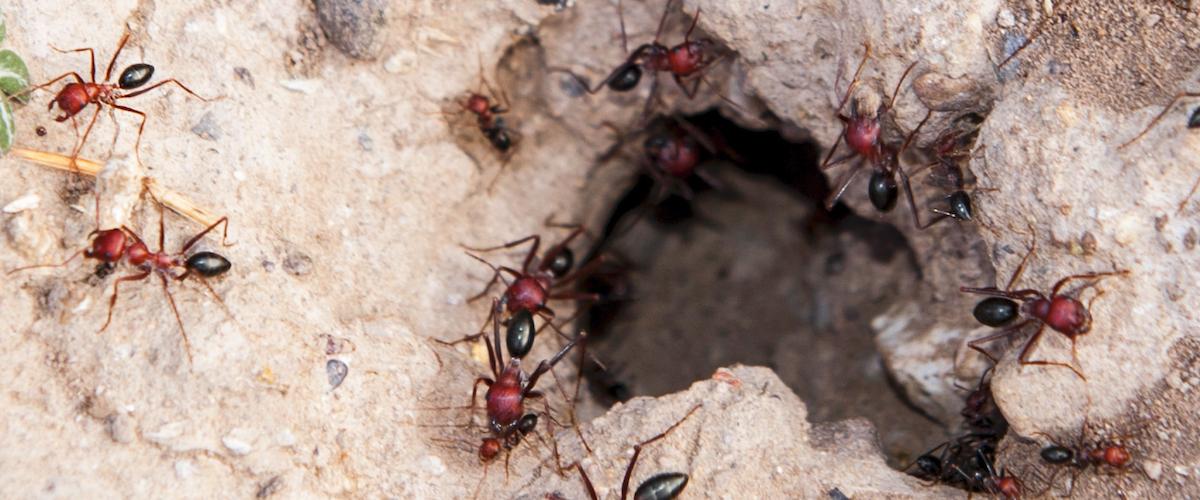
Ant infestations are among the most common pest problems affecting homes and businesses throughout the United States. While many homeowners only notice a few ants searching for food, these visible insects are often part of a much larger colony hidden underground, inside walls, or beneath foundations. Ant Control Services help identify how colonies spread and eliminate them before they become a serious problem.
Across the USA, different ant species have adapted to a variety of climates and environments. Whether you live in a humid southern state or a cooler northern region, ants are constantly searching for food, moisture, and shelter. Understanding how colonies expand can help homeowners prevent infestations before they grow out of control.
Understanding the Structure of an Ant Colony
Every ant colony functions as a highly organized community with different ants performing specific roles. The queen is responsible for laying eggs, while worker ants gather food, protect the nest, and care for developing larvae.
As the colony grows, thousands of worker ants travel farther from the nest in search of reliable food and water sources. This increased activity often leads them into nearby homes where they establish regular foraging trails.
How Ant Colonies Begin
Most colonies begin when a fertilized queen leaves an existing nest during a mating flight. After finding a suitable location, she starts laying eggs and raising the first generation of worker ants.
Once worker ants mature, they take over daily tasks while the queen focuses entirely on producing more ants. Over time, a small colony can grow into thousands of ants occupying large underground tunnel systems.
Why USA Homes Attract Growing Colonies
Homes throughout the United States provide ideal conditions for expanding ant colonies. Easy access to food, water, warmth, and shelter encourages worker ants to establish regular feeding routes.
Small food crumbs, sugary drinks, pet food, leaking pipes, and damp areas create attractive environments that support rapid colony growth throughout every season.
How Ants Find New Food Sources
Worker ants constantly search for food around the colony. When one ant discovers a reliable source inside a home, it leaves a chemical pheromone trail while returning to the nest.
Other workers quickly follow this trail, creating the long lines of ants commonly seen on kitchen counters, walls, windows, and floors. As long as food remains available, these trails continue expanding.
Multiple Colonies Can Develop Nearby
Some ant species create satellite colonies as the main colony grows larger. Instead of relying on a single nest, they establish several smaller nests connected through worker ants.
This makes infestations much more difficult to eliminate because treating one nest may leave other active colonies untouched. Professional inspections help locate every active nesting area.
Moisture Helps Colonies Expand
Moisture is one of the biggest reasons ant colonies spread around residential properties. Leaking plumbing, poor drainage, clogged gutters, and damp crawl spaces provide ideal nesting conditions.
Many ants establish colonies near consistent water sources because moisture supports both survival and colony growth. Repairing leaks reduces the chances of future infestations.
Landscaping Encourages Colony Growth
Outdoor landscaping can unintentionally support expanding ant populations. Thick mulch, stacked firewood, overgrown shrubs, tree stumps, and dense vegetation provide shelter for many ant species.
As colonies mature outdoors, worker ants gradually move closer to homes while searching for additional food sources, eventually entering through tiny structural openings.
Seasonal Changes Affect Colony Expansion
Spring and summer are typically the busiest seasons for ant colonies throughout the USA. Warmer temperatures increase worker activity while the queen produces larger numbers of eggs.
Heavy rainfall may also force underground colonies to relocate, causing ants to enter homes where conditions remain dry and food is readily available.
Small Entry Points Support Infestations
Ants require only tiny openings to enter buildings. Gaps around doors, windows, utility pipes, foundation cracks, roof vents, and damaged weather stripping all provide convenient access.
Once inside, ants establish regular travel routes between the colony and food sources. Sealing these openings helps reduce future invasions.
Why DIY Treatments Do Not Stop Colony Growth
Most DIY sprays eliminate only the ants that are visible inside the home. Since the queen and the majority of the colony remain hidden, new worker ants continue replacing those that were killed.
Some treatments may even cause colonies to split into multiple nests, making the infestation larger and more difficult to control. Professional treatment targets the entire colony instead of only the workers.
Professional Colony Elimination
Professional pest control specialists identify the ant species, locate nesting sites, and develop customized treatment plans for each property. Their goal is to eliminate the queen along with every active colony.
Modern bait systems allow worker ants to carry treatment materials back to the nest where they affect the entire colony. This approach provides more complete and lasting results than surface sprays alone.
Long-Term Prevention Strategies
Preventing future colony growth requires ongoing maintenance around the property. Homeowners should keep food sealed, repair plumbing leaks, eliminate standing water, and maintain clean kitchens and storage areas.
Routine inspections, landscape maintenance, and sealing structural gaps further reduce opportunities for ants to establish new colonies around the home.
Why Early Detection Is Important
Small colonies are much easier to eliminate than mature infestations containing thousands of ants. Recognizing early warning signs allows homeowners to address problems before colonies spread throughout multiple areas of the property.
Prompt professional treatment also reduces property damage, food contamination, and the overall cost of pest management over time.
Conclusion
Ant colonies spread quickly because they constantly search for food, water, and shelter while producing thousands of new worker ants. Without proper treatment, small infestations can rapidly develop into multiple interconnected colonies that become difficult to eliminate.
Understanding how colonies grow allows homeowners to take preventive action before serious infestations occur. Professional inspections, customized treatments, and long-term prevention strategies offer the most effective protection for homes across the United States. Texas Pest Exterminators provides dependable pest management services that eliminate ant colonies at their source while helping homeowners maintain a pest-free environment throughout the year.
Frequently Asked Questions
How quickly can an ant colony spread?
A small colony can grow rapidly as the queen continues laying eggs. Within months, thousands of worker ants may be searching for food throughout your property.
Why do ants keep appearing after I kill them?
Killing visible ants does not eliminate the hidden colony or the queen. New worker ants continue replacing those that are removed.
Can one property have multiple ant colonies?
Yes. Some ant species create several connected satellite colonies, making professional treatment more important for complete elimination.
What attracts growing ant colonies to homes?
Food crumbs, sugary foods, moisture, pet food, leaking pipes, and small entry points all encourage colonies to move closer to residential properties.
How can homeowners stop ant colonies from spreading?
Keeping homes clean, sealing entry points, fixing moisture problems, maintaining landscaping, and scheduling professional inspections help prevent colonies from expanding.
Categorias
Leia Mais
Hello guys!!! I am Anamika from Dubai Escort Agency 🇮🇳. I am 22 years old. I am a girl who wishes to come to Dubai Call Girls and meet more and more guys here. I enjoy having sex. I love if someone can use his lips on my body, deep in my vagina and make it all wet 🤗🤗 I like eating a banana slowly and step by step to make it big and then make me drooling on my face…. Website...

Unexpectedly, after months of preparation, Dune Awakening has released two major announcements just before its first anniversary: the new DLC The Water Wars and Update 1.4, quickly sparking heated discussions across various platforms!The new DLC The Water Wars is confirmed for release on the 19th of this month. Whether it can return to its peak performance from last summer depends on its...

The Automatic Shot Blasting Machine Market is expanding due to rising demand from automotive, construction, foundry, and metal fabrication industries. These machines are used for surface cleaning, rust removal, and preparation of metal components, improving durability and finish quality. Automation enhances productivity, consistency, and operational safety, making these machines highly...

How to Buy a Verified Stripe Account: Complete Personal or Business Guide? ➳ ➤ Telegram : @usakyclite ✦ ➤ WhatsApp : +1 (719) 480-6771 ❖ ➜Email : usakyclite@gmail.com Visit us: https://usakyclite.com/product/buy-verified-stripe-account/ Meta Title: How to Create & Verify a Stripe Account: Personal & Business Guide Setting up a Stripe account can look simple at...

Modern audiences are surrounded by visual content, so brands need creative ways to capture attention and communicate their ideas. vfx studios in dubai can help transform ordinary footage into engaging visual experiences through digital effects, compositing, CGI, motion graphics and other techniques. Whether a business wants to create a cinematic advertisement, enhance a product film or build an...

