


How Non-Destructive Inspection Improves Equipment Reliability
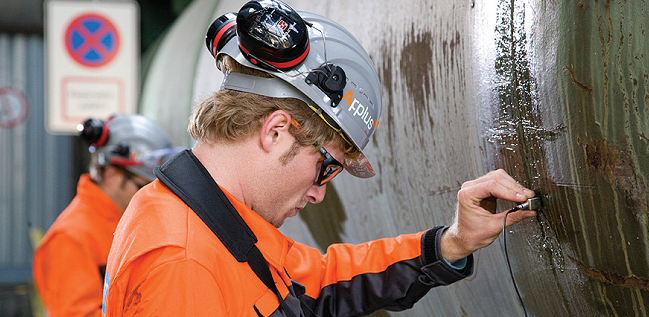
Reliable equipment is essential for maintaining productivity, reducing downtime, and ensuring workplace safety. Industries such as manufacturing, construction, aerospace, oil and gas, power generation, and transportation all depend on machinery that performs consistently under demanding conditions. NDT Testing Services play a vital role in helping businesses identify hidden flaws without damaging equipment, allowing organizations to maintain high operational standards while extending the lifespan of critical assets.
Understanding Non-Destructive Inspection
Non-destructive inspection (NDI), also known as non-destructive testing (NDT), is a process used to evaluate the condition of materials, components, and equipment without causing any damage. Unlike destructive testing, which requires a sample to be broken or altered, non-destructive inspection preserves the integrity of the asset while providing valuable information about its condition.
These inspections help detect cracks, corrosion, voids, leaks, thickness loss, and other structural defects before they become serious problems. This approach allows businesses to take corrective action early and avoid costly failures.
Why Equipment Reliability Matters
Equipment reliability directly affects productivity, profitability, and safety. Unexpected machinery failures can lead to production delays, expensive repairs, lost revenue, and even workplace accidents. Reliable equipment allows businesses to:
- Minimize unplanned downtime.
- Improve operational efficiency.
- Reduce maintenance costs.
- Extend equipment lifespan.
- Enhance workplace safety.
- Maintain consistent product quality.
Regular inspections provide valuable insights into equipment health, making reliability easier to achieve through proactive maintenance.
Early Detection of Hidden Defects
One of the biggest advantages of non-destructive inspection is its ability to uncover hidden defects before they become major failures.
Small cracks, corrosion, material fatigue, and internal flaws often develop gradually and remain invisible during routine visual inspections. Advanced inspection techniques can detect these problems at an early stage, allowing maintenance teams to repair or replace affected components before significant damage occurs.
Early detection prevents unexpected breakdowns and reduces the likelihood of emergency repairs.
Preventing Unexpected Equipment Failures
Equipment failures often occur without warning when internal defects go unnoticed. A single failure can interrupt operations, delay production schedules, and create expensive repair costs.
Routine non-destructive inspections help monitor equipment condition over time. Maintenance teams can identify deterioration trends and schedule repairs during planned maintenance periods instead of reacting to sudden failures.
This proactive approach significantly improves equipment reliability while reducing operational disruptions.
Supporting Preventive Maintenance Programs
Preventive maintenance focuses on servicing equipment before failures occur rather than waiting for breakdowns.
Non-destructive inspection provides accurate condition data that supports smarter maintenance planning. Instead of replacing components based solely on age or operating hours, maintenance teams can make decisions based on actual equipment condition.
This condition-based maintenance strategy helps organizations:
- Avoid unnecessary part replacements.
- Reduce maintenance expenses.
- Improve equipment availability.
- Maximize maintenance efficiency.
Reliable inspection data leads to more informed maintenance decisions.
Extending Equipment Service Life
Industrial equipment represents a significant investment for any organization. Replacing machinery prematurely can increase capital expenses and reduce profitability.
Regular inspections help identify wear patterns and minor defects before they grow into irreversible damage. Timely repairs preserve equipment integrity and allow machinery to remain in service for many additional years.
Extending equipment lifespan improves return on investment while reducing replacement costs.
Improving Workplace Safety
Faulty equipment creates serious safety risks for workers and surrounding facilities. Structural failures, pressure vessel leaks, pipeline defects, and damaged mechanical components can result in dangerous accidents.
Non-destructive inspection helps verify that equipment remains safe for continued operation. Identifying structural weaknesses before failure reduces the risk of injuries, environmental incidents, and property damage.
A safer workplace also contributes to better employee confidence and regulatory compliance.
Enhancing Production Efficiency
Reliable equipment keeps production lines running smoothly. Every unexpected shutdown affects productivity, delivery schedules, and customer satisfaction.
Routine inspections reduce the likelihood of equipment-related interruptions by identifying maintenance needs before failures occur.
Improved reliability leads to:
- Higher production output.
- More consistent operating performance.
- Better resource utilization.
- Increased customer satisfaction.
Reliable machinery supports continuous operations with fewer interruptions.
Protecting Critical Infrastructure
Many industries rely on critical infrastructure that must operate continuously under demanding conditions.
Examples include:
- Storage tanks
- Pressure vessels
- Pipelines
- Boilers
- Heat exchangers
- Bridges
- Aircraft components
- Power generation equipment
Failure of these assets can have severe operational and financial consequences. Regular inspection helps ensure these systems continue performing safely and efficiently throughout their service life.
Common Inspection Methods
Different inspection methods are selected based on the material, equipment type, and expected defects.
Some widely used techniques include:
Ultrasonic Testing
Ultrasonic testing uses high-frequency sound waves to detect internal flaws, measure material thickness, and locate hidden defects without damaging the component.
Magnetic Particle Inspection
This method identifies surface and near-surface cracks in ferromagnetic materials by applying magnetic fields and specialized particles.
Liquid Penetrant Inspection
Liquid penetrant testing reveals small surface-breaking defects that may not be visible to the naked eye.
Radiographic Testing
Radiographic inspection uses X-rays or gamma rays to produce detailed images of internal structures, making it effective for weld inspection and casting evaluation.
Visual Inspection
Although simple, visual inspection remains an important first step for identifying obvious damage, corrosion, misalignment, or wear.
Each method offers unique advantages depending on inspection requirements.
Reducing Overall Maintenance Costs
Unexpected repairs are often much more expensive than scheduled maintenance.
Emergency failures frequently require:
- Immediate labor.
- Expedited replacement parts.
- Production downtime.
- Additional equipment damage.
By identifying problems early, organizations can schedule repairs at convenient times and avoid the high costs associated with emergency breakdowns.
Long-term maintenance planning becomes more efficient and cost-effective.
Supporting Regulatory Compliance
Many industries operate under strict safety and quality regulations that require periodic equipment inspections.
Routine non-destructive inspection helps organizations demonstrate compliance with industry standards and government requirements. Proper inspection records also provide valuable documentation during audits and safety reviews.
Maintaining compliance reduces legal risks while reinforcing operational accountability.
Improving Asset Management Decisions
Inspection data provides valuable information for long-term asset management.
Maintenance managers can analyze inspection trends to determine:
- Remaining equipment life.
- Repair priorities.
- Replacement timing.
- Budget planning.
- Risk management strategies.
Reliable inspection information supports informed business decisions that improve operational performance.
Building Long-Term Operational Reliability
Equipment reliability is not achieved through repairs alone. It requires continuous monitoring, preventive maintenance, and informed decision-making.
Non-destructive inspection provides the data needed to understand equipment condition throughout its lifecycle. Rather than reacting to failures, organizations can anticipate problems and address them before they affect operations.
This proactive approach creates more dependable equipment, lower maintenance costs, improved safety, and greater operational efficiency across every stage of production.
Conclusion
Non-destructive inspection is one of the most effective tools for improving equipment reliability across a wide range of industries. By detecting hidden defects early, supporting preventive maintenance, extending equipment lifespan, and reducing unexpected failures, it helps organizations maintain safe and efficient operations. Regular inspections not only lower maintenance costs but also enhance productivity, strengthen compliance, and protect valuable assets. Investing in a comprehensive inspection program is a practical step toward achieving long-term reliability, minimizing operational risks, and ensuring equipment continues to perform at its best.
Categorias
Leia Mais
Saudi Arabia is undergoing a significant transformation in healthcare as the country continues to strengthen medical infrastructure, improve access to quality care, and accelerate digital innovation. Supported by long-term national development initiatives, healthcare providers across the Kingdom are adopting advanced technologies while expanding specialized medical services. These changes are...
Buy Old Gmail Accounts Buy Are you exploring the digital landscape for a strategic advantage? If so, consider the potential of old Gmail accounts. They may seem like relics from a bygone era, yet they offer unique benefits that modern accounts simply can’t match. As businesses strive to build trust and credibility online, many are turning to these aged accounts as an essential tool in...

A three-piece suit gives you structure, presence, and confidence. It includes a jacket, trousers, and a waistcoat. You get a sharper look than a standard two-piece. In Pakistan, demand is rising for options that balance price and quality. You want clean stitching, durable fabric, and a fit that feels made for you. MM Apparel focuses on this gap. You get modern cuts, reliable fabrics, and...

Buy Old Gmail Accounts Buy Are you exploring the digital landscape for a strategic advantage? If so, consider the potential of old Gmail accounts. They may seem like relics from a bygone era, yet they offer unique benefits that modern accounts simply can’t match. As businesses strive to build trust and credibility online, many are turning to these aged accounts as an essential tool in...

Buy Telegram Accounts Buy Telegram accounts can be a game-changer for businesses looking to expand their digital footprint. With millions of active users, Telegram offers an unparalleled platform for marketing and audience engagement. 🚬🍁🌍🐼🤰🏽24 Hours Reply/Contact 🚬🍁🌍🐼🤰🏽➤Discord:getpvasmm 🚬🍁🌍🐼🤰🏽➤Telegram: @getpvasmm 🚬🍁🌍🐼🤰🏽➤WhatsApp: + 1 (830) 739-8217 VISIT OUR SITE:...

