


Wound Dressing at Home: Understanding Different Dressing Types
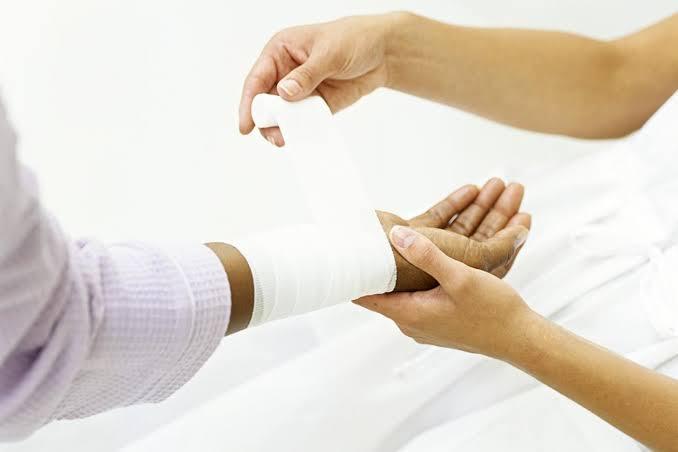
Proper wound management is essential for protecting injuries, supporting healing, and preventing complications. Wound Dressing at Home in Dubai offers patients a convenient solution for receiving professional wound care while recovering comfortably at home. Different wounds require different dressing materials and techniques depending on their severity, location, and healing stage. With guidance from a qualified healthcare professional or Doctor at Home, patients can understand which dressing options are suitable and how proper care can improve recovery outcomes.
Why Choosing the Right Wound Dressing Matters:
Wound dressings play a vital role in the healing process by creating a protective environment that supports tissue repair. The right dressing helps maintain moisture balance, prevents contamination, absorbs excess fluid, and protects the wound from external damage. Using an unsuitable dressing may slow healing, increase discomfort, or contribute to complications such as infections.
Every wound has unique requirements. A small cut may only need basic protection, while surgical wounds, burns, pressure injuries, or chronic wounds may require specialized dressings. Healthcare professionals assess the wound condition before recommending the most appropriate dressing type.
Choosing the correct dressing helps with:
- Preventing bacteria and external contaminants from entering the wound
- Maintaining an ideal healing environment
- Reducing pain and irritation
- Managing wound drainage effectively
- Supporting faster and healthier tissue recovery
Common Types of Wound Dressings Used at Home:
Several types of wound dressings are available, and each serves a specific purpose. The selection depends on factors such as wound depth, moisture level, infection risk, and healing progress. Understanding different dressing options helps patients follow better wound care practices and make informed decisions with professional advice.
Common wound dressing types include:
- Gauze dressings
- Foam dressings
- Hydrocolloid dressings
- Hydrogel dressings
- Alginate dressings
- Transparent film dressings
- Antimicrobial dressings
Each type has different benefits and is designed to address specific wound care needs.
Gauze Dressings and Their Uses:
Gauze dressings are among the most commonly used wound care materials. They are made from soft, absorbent fabric that can cover wounds and absorb light to moderate drainage. Gauze is often used for minor injuries, post-surgical wounds, and as a secondary layer over other dressings.
Although gauze is widely available and easy to use, it may require frequent changes because it does not always maintain moisture levels effectively. Healthcare providers may combine gauze with other materials depending on the wound condition.
Benefits of gauze dressings include:
- Easy application and removal
- Suitable for many types of minor wounds
- Provides basic protection from contaminants
- Helps absorb wound fluids
Patients should follow professional instructions when using gauze because incorrect removal may disturb healing tissues.
Foam Dressings for Managing Wound Moisture:
Foam dressings are designed to absorb moderate to heavy wound drainage while keeping the wound surface protected. They are commonly used for surgical wounds, deeper injuries, and wounds that produce significant fluid.
These dressings provide cushioning, which can reduce pressure and friction around sensitive areas. Foam dressings may also remain in place longer than traditional gauze, depending on the wound condition.
Advantages of foam dressings include:
- High absorption capacity
- Protection against external pressure
- Reduced need for frequent dressing changes
- Comfortable coverage for sensitive wounds
A healthcare professional can determine whether foam dressings are suitable based on drainage levels and healing progress.
Hydrocolloid Dressings for Moist Healing Environments:
Hydrocolloid dressings contain gel-forming materials that interact with wound fluid to create a moist healing environment. This type of dressing is often used for wounds with light to moderate drainage and can support natural tissue repair.
Maintaining moisture is important because extremely dry wounds may heal slowly, while excessive moisture can damage surrounding skin. Hydrocolloid dressings help create a balanced environment that supports recovery.
Key benefits include:
- Encouraging tissue regeneration
- Protecting against bacteria and external moisture
- Reducing discomfort during dressing changes
- Supporting longer wear times when appropriate
These dressings should be used according to medical advice, especially for wounds with infection risks.
Hydrogel Dressings for Dry or Painful Wounds:
Hydrogel dressings contain a high amount of water and are designed to add moisture to dry wounds. They are commonly used when wounds need hydration to support tissue repair and reduce discomfort.
Hydrogel materials may provide a cooling effect, making them useful for certain painful wounds. However, they are not suitable for every wound type and should be selected carefully.
Hydrogel dressings can help with:
- Providing moisture to dry wound areas
- Supporting gentle tissue healing
- Reducing discomfort in some wound conditions
- Creating a protective wound environment
Professional assessment is important before using hydrogel products to ensure they match the wound’s needs.
Antimicrobial Dressings for Infection Prevention:
Antimicrobial dressings are designed to reduce bacterial growth and are often used for wounds with a higher risk of infection. These dressings may contain ingredients that help control microorganisms while supporting healing.
They are commonly recommended for certain surgical wounds, infected wounds, or wounds requiring additional protection. However, they should only be used based on healthcare recommendations.
Benefits of antimicrobial dressings include:
- Helping reduce bacterial contamination
- Supporting infection control measures
- Protecting vulnerable wounds
- Assisting with complex wound management
Using antimicrobial products without proper guidance may not provide the desired results and could affect wound recovery.
Factors to Consider When Selecting a Wound Dressing:
Choosing a wound dressing requires careful evaluation because different wounds heal at different rates. Factors such as wound size, location, drainage level, and patient health condition influence the selection process.
Important considerations include:
- Type and severity of the wound
- Amount of wound drainage
- Presence of infection signs
- Condition of surrounding skin
- Frequency of required dressing changes
- Patient comfort and mobility needs
Professional wound care guidance helps ensure that the selected dressing supports healing instead of causing additional problems.
Importance of Professional Wound Care at Home:
Managing wounds at home can be challenging, especially when dealing with surgical wounds, chronic injuries, or wounds requiring specialized dressings. Professional home care services provide skilled assistance to ensure proper techniques are followed.
A trained healthcare provider can assess the wound, recommend suitable dressing options, and monitor healing progress. This reduces the chances of mistakes and helps patients recover with greater confidence.
Professional wound care support offers:
- Proper assessment of wound conditions
- Safe and hygienic dressing changes
- Early identification of complications
- Personalized wound care recommendations
- Improved comfort during recovery
Final Thoughts:
Understanding different dressing types is an important part of effective wound care. The right dressing protects the wound, supports healing, and reduces the risk of complications. From gauze and foam dressings to hydrocolloid, hydrogel, and antimicrobial options, each type serves a specific purpose based on wound requirements. Choosing professional Wound Dressing at Home in Dubai can help patients receive proper care, follow safe dressing practices, and achieve better recovery results. With the right knowledge and medical support, wound healing can become a safer and more comfortable process.
Categorie
Leggi tutto
In a fast-paced world filled with constant demands, staying mentally sharp every day can feel challenging. Long hours, stress, and lack of quality sleep often reduce focus and slow down productivity. Whether you're working, studying, or managing daily responsibilities, maintaining consistent mental clarity is essential for success. Wakefulness-promoting medications are often explored as a way...

Buying a home today is not just about finding a place to live; it is about making a long-term investment in your future. Modern homebuyers expect premium amenities, strategic connectivity, quality construction, and strong appreciation potential. Jade County NH24 Ghaziabad is one of the residential projects that successfully delivers all these advantages. Located on the rapidly developing NH24...

At Escorts Service hotels, we offer a range of high-class Karachi escorts service tailored to meet your unique desires and preferences. Each of InCall Dha With Place dha our Escorts in Karachi out Call All hotels & Your place Dropped Escort service is designed to provide an unparalleled experience of luxury, discretion, and pleasure. Explore our services below to find the perfect match for...

Introduction In today’s digital economy, online shopping has become one of the fastest-growing industries worldwide. Businesses are rapidly shifting from physical stores to online platforms to reach global customers. One of the most popular platforms for e-commerce development is Shopify. A “shopify development company in dubai” plays a key role in helping businesses create...

Looking for dependable waste removal in Melbourne services for your home, business, or industrial site? Stows Waste Management has been delivering professional waste management solutions across Melbourne for more than 120 years. Our experienced team provides safe, efficient, and environmentally responsible waste collection, transportation, recycling, and disposal services tailored to...