


Fire Protection Consultant | Expert Fire Safety & Code Compliance
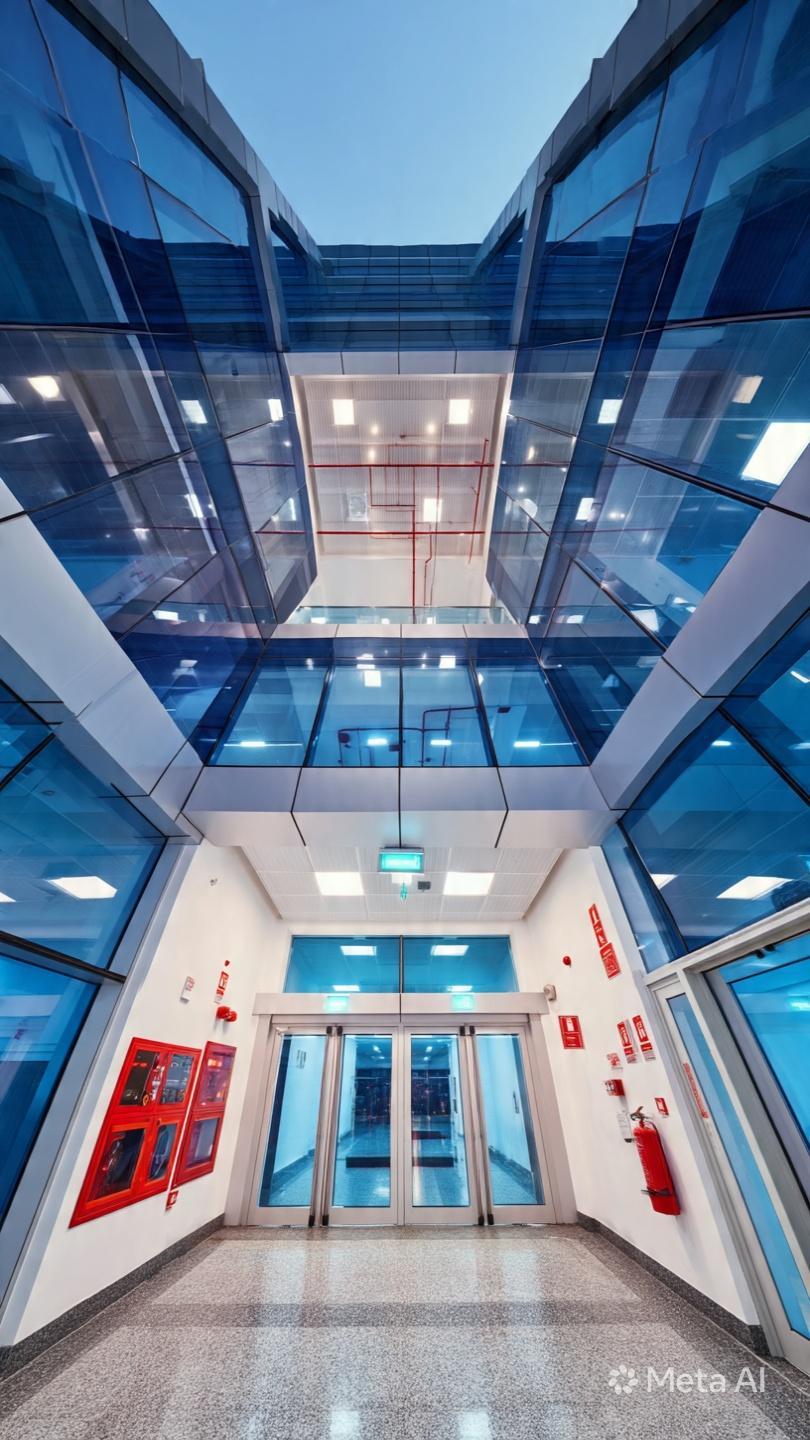
Most people only start thinking about hiring a fire protection consultant once a project hits a wall, a design that won’t satisfy a prescriptive requirement, or a rejected submission. That’s usually the most expensive point to start. A fire protection consultant brought in early can shape a design so it works with the code from the beginning, rather than getting called in later to find a workaround for a layout that’s already locked.
What the role actually covers
The title covers more ground than people expect. It spans interpreting local and international fire codes and working out how they apply to a specific building. Reviewing or developing fire strategies, egress, compartmentation, and active system design. Preparing fire engineering briefs and reports for performance-based solutions where prescriptive compliance isn’t achievable. Coordinating with architects, structural engineers, and MEP teams so requirements get built into the design rather than bolted on afterward. And supporting third-party inspections, witnessing testing and commissioning during construction.
Why compliance is about more than passing an inspection
Fire code compliance protects lives, but it also protects the project itself. Failing to meet code requirements can trigger legal action, fines, or a project shutdown, and a failed inspection late in construction almost always costs more than a proper review would have earlier on. Catching issues while they’re still cheap to fix, during design rather than after concrete has been poured, is the real value here. Projects managed with compliance in mind from the outset tend to move through approvals faster, with fewer revision cycles.
Performance-based design when prescriptive codes fall short
Not every building fits neatly into prescriptive provisions. Large atriums, unusual floor plates and high-storage warehouses often can’t meet standard deemed-to-satisfy requirements without a significant redesign. In these cases, the work typically follows two stages. First, a Fire Engineering Brief that sets out the scope, the deviations from prescriptive provisions, the analysis methods and the acceptance criteria, agreed with stakeholders before modelling starts. Second, a Fire Engineering Report containing the full analysis, including fire and evacuation modelling, that demonstrates the engineered solution meets the underlying performance requirements.
Mass timber construction as its own category of problem
Mass timber construction has become one of the more common reasons a project needs genuine fire engineering input rather than a standard prescriptive check. Cross-laminated and glue-laminated structures char in a predictable way that provides real fire resistance, but only when the connections, exposed surfaces and sprinkler strategy are engineered around that behaviour from the start. A fire protection consultant working on a mass timber construction project needs to understand structural fire engineering specifically, not just standard compartmentation, because the structure itself is contributing to the fuel load in a way steel and concrete don’t.
Choosing the right consultant for the job
Not every fire protection consultant has the same specialisation, and matching expertise to the project type matters. A few things worth confirming before signing on:
• Direct experience with your building’s occupancy type and the local code framework
• How they track code amendments and circulars between project stages
• Their track record with performance-based design if your project is likely to need one
• Whether they hold third-party inspection accreditation, such as ISO 17020, if that’s part of the scope
• Specific experience with mass timber construction if that’s the structural system you’re using
Conclusion
The technical knowledge matters less than when it is applied. Brought in at concept design, a fire protection consultant’s expertise shapes a building so fire safety requirements get integrated rather than retrofitted. Whether the project is working through standard prescriptive compliance or navigating something as specific as mass timber construction, getting that expertise involved before drawings are finalised is consistently the difference between a smooth approval and a costly one.
FAQs
1. When should a fire protection consultant be engaged on a project?
Ideally at concept or schematic design, before layouts and systems are finalised, so requirements shape the design instead of forcing changes to a plan that’s already locked.
2. What’s the difference between prescriptive compliance and performance-based design?
Prescriptive compliance follows specific, predefined code requirements directly. Performance-based design uses engineering analysis, like fire and evacuation modelling, to show an alternative approach meets the same underlying safety objectives.
3. How much does a performance-based fire engineering solution cost?
It varies widely, from a few thousand dollars for a single-issue solution to considerably more for complex, multi-issue projects, and it usually adds several weeks to the program.
4. Does mass timber construction always require a performance-based solution?
Not always. Some jurisdictions now include prescriptive provisions for mass timber up to a certain height, but anything beyond those limits, or with an unusual configuration, typically needs engineered justification.
5. Do fire consultants stay involved during construction, or just at design?
Many support the whole project lifecycle, including construction-phase inspections and witnessing system testing and commissioning, not only the initial design review.
Категории
Больше
"Executive Summary Advanced Malware Protection Market Market Size and Share Forecast The global Advanced Malware Protection Market size was valued at USD 5.96 billion in 2025 and is expected to reach USD 17.36 billion by 2033, at a CAGR of 14.30% during the forecast period. Advanced Malware Protection Market Market research report brings into focus the key...

Reliable appliances make everyday life easier, but even the best equipment requires occasional repairs. Professional appliance repair services help homeowners maintain dependable performance, improve efficiency, and avoid unnecessary disruptions. Every household depends on appliances to keep daily routines running smoothly. Refrigerators preserve food, ovens simplify cooking, dishwashers save...

Adopting the cloud is no longer a luxury for growing companies—it’s a necessity. With the right cloud migration services, dependable cloud infrastructure services, and tailored cloud solutions for small business, you can modernize operations, reduce IT costs, and scale without limits. Many organizations fast-track this journey through cloud migration outsourcing India to...

Lymphatic drainage massage in Riyadh (مساج لمفاوي) is widely used as a supportive therapy for individuals recovering from surgical procedures. After surgery, the body often experiences swelling, fluid buildup, and reduced circulation, which can slow down the natural healing process. Helps reduce post-surgical swelling Supports faster tissue recovery Improves circulation and lymph...