


Your First Handloom Rug: A Buying Guide That Makes the Choice Easy
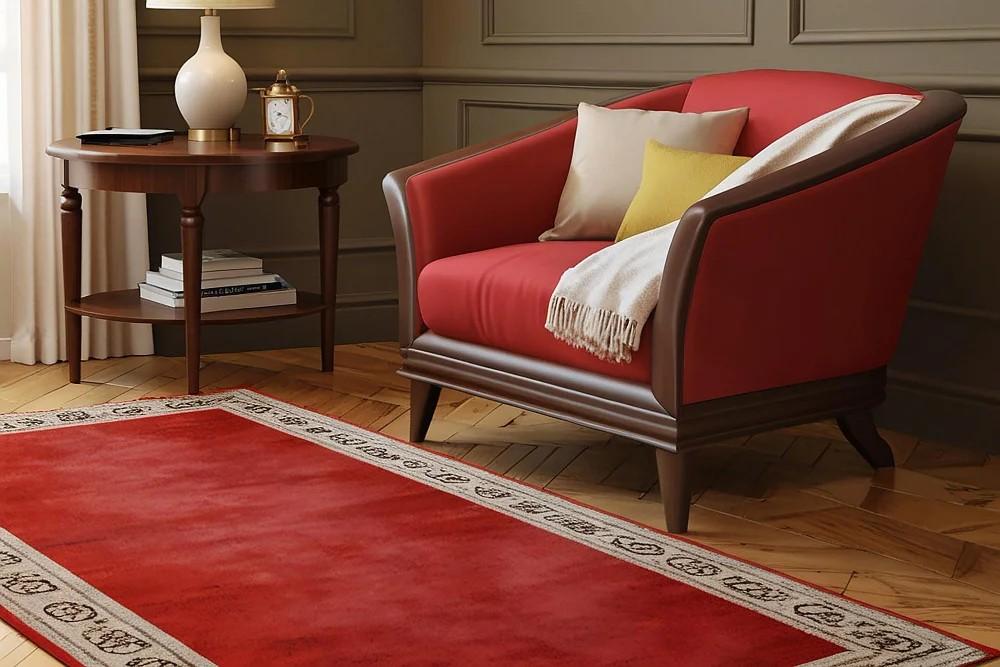
Handloom rugs are hand-woven floor coverings made by skilled artisans using traditional techniques. When buying one, focus on material, size, weave density, and where the rug was made. This guide walks you through everything you need to know before making your first purchase.
Buying your first handloom rug feels exciting—and a little overwhelming. There are dozens of materials, sizes, weave styles, and price points to consider. Make the wrong call, and you're stuck with something that doesn't fit your space. Make the right one, and you have a piece that lasts decades.
This guide breaks it all down for you. By the end, you'll know what to look for, where to buy, and how to keep your rug in good shape for years to come.
Why Choose a Handloom Rug Over a Machine-Made One?
A handloom rug takes weeks—sometimes months—to make. A machine-made rug takes hours. That difference in time shows up directly in quality.
Handloom rugs are denser, more durable, and more detailed. Each knot is placed by hand, which means the weaver can adjust tension, color, and pattern as they go. The result is a rug with character that a machine simply cannot replicate.
They also hold their value better. A well-maintained handloom rug doesn't just last—it can become an heirloom. For anyone furnishing a home with intention, that's a compelling reason to choose handcrafted over mass-produced.
The Art of Handloom Rugs: Craftsmanship and Quality
What makes a handloom rug high quality?
Three things determine quality in a handloom rug: material, knot density, and craftsmanship.
Material is the starting point. Wool rugs are durable, naturally stain-resistant, and comfortable underfoot. Silk rugs have a finer texture and a subtle sheen, but they require more careful handling. Wool-silk blends offer a middle ground—slightly lustrous, still hardwearing.
Knot density refers to how many knots are packed into a square inch of the rug. The higher the knot count, the finer the detail and the longer the rug typically lasts. A rug with 100 knots per square inch is good quality. One with 300 or more is exceptional.
Craftsmanship is harder to measure but easy to see. Look at the back of the rug. In a high-quality handloom rug, the pattern on the back mirrors the front closely. Uneven or blurry patterns on the reverse side suggest inconsistent weaving.
India's Bhadohi region—often called the "carpet city of the world"—has been a global center for handmade rug production for centuries. Brands like The Ambiente are rooted in this tradition, backed by over 30 years of manufacturing experience through their parent company, Bhadohi Carpets.
Finding Your Perfect Rug: Key Considerations
How do you choose the right size handloom rug for your room?
Size is one of the most common mistakes first-time buyers make. A rug that's too small makes a room feel disjointed. A rug that's too large overwhelms the space.
Here are practical sizing rules to follow:
-
Living room: All four legs of your sofa should sit on the rug, or at minimum, the front two legs.
-
Dining room: The rug should extend at least 24 inches beyond all sides of the table so chairs stay on the rug when pulled out.
-
Bedroom: Place the rug under the lower two-thirds of the bed, extending 18–24 inches on either side.
When in doubt, go larger. A bigger rug almost always looks better than a smaller one.
What color and pattern work best for your space?
Start with the room's existing palette. If your furniture and walls are neutral, you can afford a bolder rug. If the room already has strong colors, a more subdued rug—geometric patterns in muted tones, for example—keeps things balanced.
For smaller rooms, lighter-colored rugs with simple patterns make the space feel more open. Darker rugs with intricate designs work well in larger rooms where there's more visual breathing room.
Does pile height matter when buying a handloom rug?
Yes, and it affects both feel and function. Low-pile rugs (under half an inch) are easier to clean and work well under furniture. High-pile rugs feel softer underfoot but can be harder to vacuum and may flatten in high-traffic areas. For hallways and dining rooms, low-pile is almost always the smarter choice.
Where to Buy: Handcrafted Rugs in Delhi and Online Options
Where can you find authentic handcrafted rugs in Delhi?
Delhi has several reputable rug stores, but not all of them sell genuinely handmade products. Some retailers pass off machine-made rugs as handcrafted. Always ask directly: Is this hand-knotted or handloom-woven? A trustworthy seller will answer clearly and let you inspect the back of the rug.
The Ambiente operates a flagship store at Pillar No. 11B, Mehrauli-Gurgaon Road, Sultanpur, New Delhi. The brand is design-led, sources directly from artisan weavers in Bhadohi, and offers both ready-to-ship and bespoke options. With over 5,000 clients served across India and abroad, they have a track record worth noting.
Their network includes over 4,000 women weavers, making each purchase directly linked to sustainable livelihoods in rural communities.
Is it safe to buy carpets online in India?
Yes—if you buy from a brand that provides clear product specifications, authentic weaving details, and a transparent return policy. When you buy carpets online in India, look for:
-
High-resolution images that show the back of the rug
-
Clear material descriptions (wool, silk, or blend)
-
Knot count or pile height details
-
Customer reviews that mention durability and color accuracy
The Ambiente's online store covers all of these bases and ships across India with options to suit different budgets, from affordable everyday rugs to premium silk pieces.
Caring for Your Handloom Rug
A handloom rug can last 20–50 years with the right care. Here's what that looks like in practice:
-
Vacuum regularly, but avoid the fringe. Use a low-suction setting for wool and silk rugs.
-
Rotate the rug every 6–12 months to prevent uneven wear from sunlight and foot traffic.
-
Deal with spills immediately. Blot—never rub—with a clean cloth. For wool rugs, cold water works well. Avoid harsh chemical cleaners.
-
Professional cleaning every 2–3 years keeps the fibers fresh and the colors vibrant.
-
Use a rug pad underneath. It prevents slipping, adds cushioning, and reduces wear on the base of the rug.
Avoid placing handloom rugs in direct sunlight for extended periods. UV exposure fades natural dyes faster than most people expect.
A Lasting Investment: Making the Right First Purchase
A handloom rug rewards patience. Take the time to measure your space, choose the right material, and buy from a source you can verify.
If you're based in Delhi or looking to buy carpets online in India, The Ambiente offers a strong starting point. Their collection draws on 30+ years of Bhadohi craftsmanship, spans a wide price range, and supports artisan communities directly. Whether you want something ready to ship or a custom-sized piece, they have options that work.
Your first handloom rug is a considered purchase—one that adds warmth, texture, and lasting quality to your home. Get the fundamentals right, and it will serve you well for years.
[Browse The Ambiente's handcrafted rug collection →]
Frequently Asked Questions
What is the difference between a handloom rug and a hand-knotted rug?
A handloom rug is woven on a loom using a structured weaving process, while a hand-knotted rug involves tying individual knots around the warp threads. Hand-knotted rugs typically have a higher knot count and are considered more labor-intensive. Handloom rugs are still handmade and high quality, but generally more affordable than hand-knotted options.
How long does it take to make a handloom rug?
Production time varies based on size and complexity. A small handloom rug may take a few days to a couple of weeks. A large, detailed piece can take several months. This is why authentic handmade rugs cost more than machine-made alternatives.
Are handloom rugs worth the price compared to machine-made rugs?
For long-term use, yes. Handloom rugs are more durable, more detailed, and hold their value better. A quality handloom rug can last decades with proper care, while a machine-made rug typically needs replacement within 5–10 years.
What is the best material for a handloom rug used in high-traffic areas?
Wool is the best choice for high-traffic areas. It's naturally resilient, resists staining, and bounces back after compression. Silk rugs are better suited to low-traffic spaces like bedrooms or formal sitting rooms.
Can I order a custom-sized handloom rug online in India?
Yes. Brands like The Ambiente offer bespoke rug options alongside their ready-to-ship collections. Custom orders allow you to choose specific dimensions, colors, and materials to match your space exactly.
How do I verify that a rug sold online is genuinely handmade?
Look for detailed product descriptions that specify the weaving technique, material, and origin. Check if the brand shares images of the rug's reverse side—a key marker of hand-weaving. Reviews that mention craftsmanship, texture, or weaving quality are also a reliable signal.
Categorieën
Read More
Loom woven denim is a fabric created through a traditional weaving process that gives denim its strength, texture, and long-lasting build. Unlike mass-produced alternatives, loom woven denim often features a richer surface. a more original experience. Many denim enthusiasts appreciate this clearly simply fabric because it develops unique fading patterns over time. When discussing build jeans,...

The eyes are a central feature of the face, and improving the under-eye area can create a noticeable difference in overall appearance. However, some individuals have multiple signs of aging, such as wrinkles, skin laxity, volume loss, or uneven skin texture, that may require more than one treatment approach. Combining eye bag removal with other facial treatments can help achieve a more...

The landscape of the Ultrasonic NDT Equipment Market is rapidly evolving, thanks to significant technological advancements that are reshaping the way non-destructive testing is conducted. Ultrasonic testing has become an essential method for evaluating the properties of materials and detecting flaws without causing damage. Recent innovations have led to the development of more sophisticated...

Text in the direction of stay as a result of inside of Alabama.. Anthony Sisco Guts Glory, A Portrait of Go through Bryant contains been a adequately thrilling working experience. I transfer into all the enthusiasm that led me toward scale this wall, which Ive location within just as an epilogue for people who precisely cant purchase more than enough Bama and have to have towards listen a...

BuyUSAacc is a Google-certified marketplace offering reliable, premium, bulk-aged email, social, banking, and ad accounts, all delivered securely. When you choose to buy aged Google Ads accounts through our verified platform, you secure a foundational asset that empowers your marketing team to bypass new-user limitations and start running high-performance advertising campaigns with...