


Securing Emergency Housing Contracts Before the Next Disaster Strikes

When a category-five hurricane or a massive wildfire completely destroys a residential area, the immediate crisis of physical safety is quickly replaced by a massive logistical nightmare: housing thousands of displaced citizens. Local emergency shelters can only hold people for a few days. The federal government must rapidly deploy temporary housing solutions, which in 2026 primarily means purchasing massive quantities of modular homes, mobile trailers, and rapidly deployable prefabricated structures. The agencies responsible for this recovery effort control billions of dollars in emergency funding, and their sole objective is to purchase and transport these housing units into the disaster zone as quickly as legally possible. For manufacturers of modular housing and temporary structures, this represents a massive, highly profitable commercial opportunity that directly aids communities in crisis.
However, the reality of emergency procurement is incredibly harsh for unprepared businesses. When a disaster occurs, federal purchasing agents do not have the time to scour the internet looking for local modular home builders. They cannot spend three weeks verifying a manufacturer's production capacity, checking their commercial liability insurance, or confirming their corporate tax standing. The urgent need to put roofs over the heads of displaced families dictates that government buyers rely exclusively on an internal, pre-vetted directory of approved emergency suppliers. If your manufacturing firm has not completed the intense administrative screening process before the disaster makes headlines, you are entirely locked out of the recovery effort.
This administrative barrier is deeply frustrating for capable builders who watch massive federal contracts go to out-of-state corporations simply because those corporations filed their paperwork early. You might have a massive inventory of modular units sitting in your lot, perfectly suited for the displaced families just fifty miles away. If you are not legally registered in the government's emergency database, purchasing agents are legally barred from writing you a check. You miss out on millions of dollars in rapid-disbursement revenue, and the affected community has to wait longer for housing units to be shipped from a verified vendor hundreds of miles away.
The only way to capture this massive revenue stream is to take decisive action immediately, while the weather is clear. You must formalize your emergency response profile by translating your manufacturing capabilities into the exact technical language the government requires. Completing a thorough FEMA contractor registration ensures your business is properly categorized under the specific industrial codes associated with temporary housing and modular construction. You must detail your maximum monthly production capacity, your transportation logistics, and your exact geographic service area. By submitting this data for verification now, you transform your manufacturing firm into a fully cleared, ready-to-deploy federal asset.
Once your firm is officially approved in the emergency database, your competitive position changes overnight. When a disaster impacts your designated service region, procurement officers will run a search for verified housing manufacturers, and your company will appear at the top of their list. Because you are already cleared for federal funding, the government can issue massive purchase orders directly to your firm, bypassing the standard, lengthy bidding processes used during normal operations. This provides an immediate, massive injection of capital into your business while ensuring your production lines run at full capacity.
Do not wait for a crisis to expose your administrative vulnerabilities. Your manufacturing firm has the exact capabilities the government needs to shelter displaced families. By prioritizing your federal registration today, you ensure that your business is legally authorized to step up and deliver when a disaster strikes. You secure access to highly profitable, rapid-response contracts that protect your revenue while providing essential, life-changing support to communities struggling to rebuild.
Conclusion
Federal emergency agencies rely entirely on pre-verified directories to purchase modular housing for displaced citizens following a natural disaster. Registering your manufacturing capabilities ahead of time guarantees your firm is legally cleared to accept these massive, rapid-response purchase orders.
Call to Action
Ensure your modular housing company is ready to deploy temporary structures during a crisis by securing your official federal emergency registration today.
Categorieën
Read More
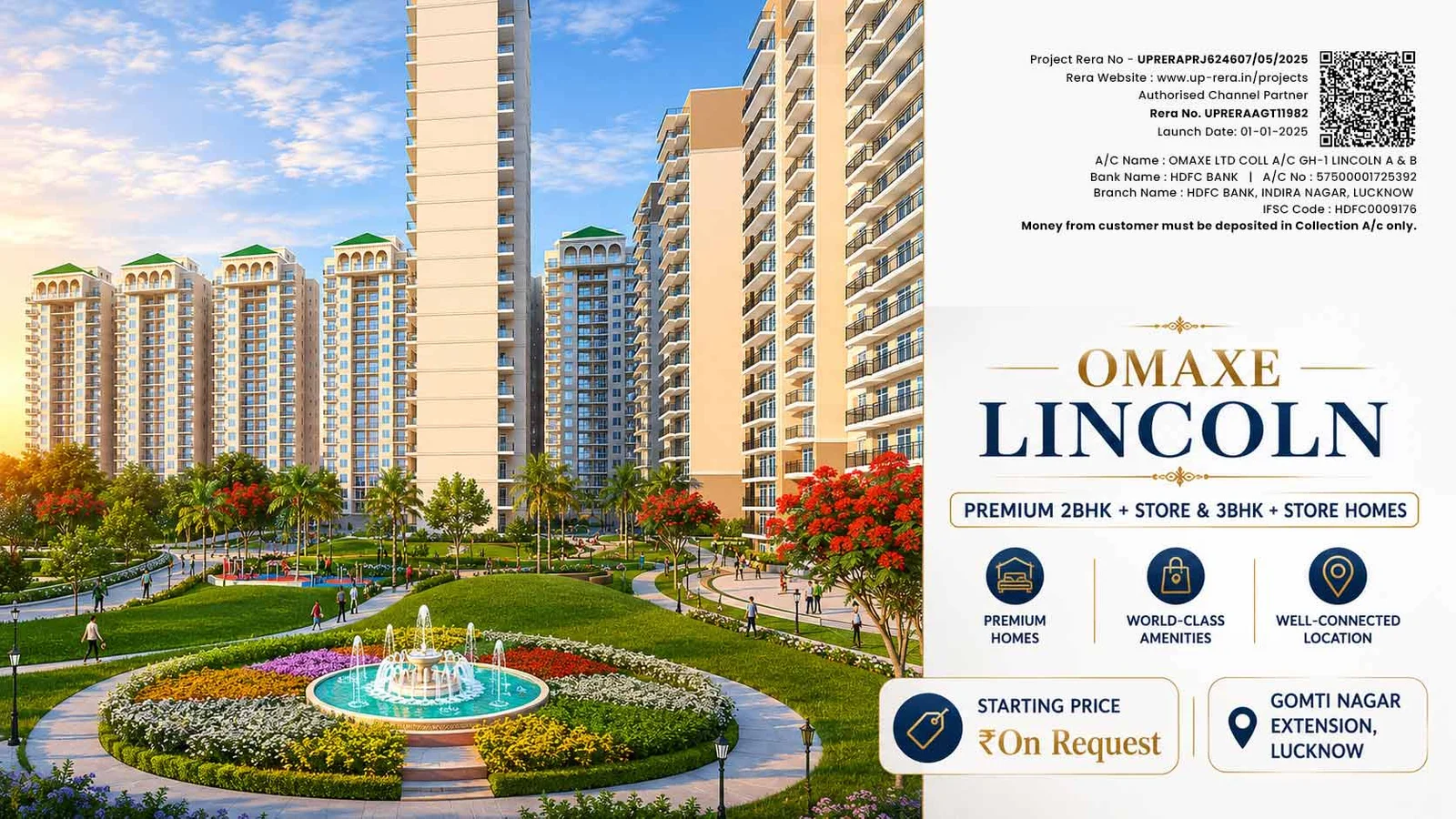
Omaxe Lincoln is kinda re defining premium residential living, by giving carefully planned luxury homes, that somehow blend elegance comfort and convenience in a way that feels effortless, almost too easy. It is placed in the fast growing Gomti Nagar Extension of Lucknow , and the complete setup is designed for modern families who want roomy residences, top-notch amenities, and steady...
Best Nasha Mukti Kendra in Delhi NCR: Your Trusted Partner in Addiction Recovery Searching for the best nasha mukti kendra in Delhi NCR? Discover professional addiction treatment, personalized recovery programs, and holistic healing at God's Will Wellness for lasting recovery and a healthier future. Addiction is a serious challenge that can affect every aspect of a person's life, from physical...

In today's fast paced business environment, reliable transportation plays a crucial role in maintaining productivity, professionalism, and efficiency. Whether employees are attending meetings, corporate events, airport transfers, or client engagements, dependable travel arrangements can significantly impact the overall experience. This is why corporate transportation Prospect Park, PA, has...

In the ever-evolving world of streetwear, few pieces manage to balance simplicity, comfort, and cultural relevance quite like the Beige Black Essentials Hoodie. This wardrobe staple has quickly become a go-to for fashion enthusiasts who appreciate understated style with a premium feel. Whether you're stepping out Black Essentials Hoodie for a casual day, layering for a winter fit, or...