


Sitting for Long Hours: Can It Cause Varicose Veins?
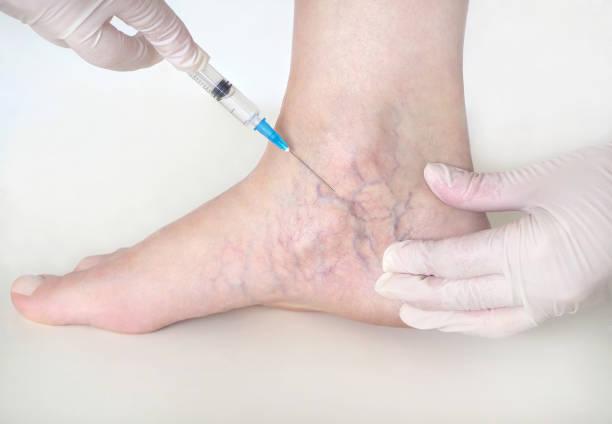
Modern lifestyles often require people to spend long hours sitting at desks, driving, or working on computers. While sitting may seem harmless, remaining in the same position for extended periods can affect blood circulation in the legs. Although sitting alone does not directly cause varicose veins, it can increase the risk of developing them, especially when combined with other factors such as genetics, aging, or excess body weight. Understanding how prolonged sitting affects vein health can help you take simple steps to protect your circulation.
If you are considering Treatment of varicose veins in Riyadh (دوالي الساقين في الرياض), learning how prolonged sitting influences vein health can help you reduce your risk and recognize when it is time to seek professional medical care. Healthy habits and early intervention play an important role in maintaining strong, healthy veins.
What Are Varicose Veins?
Varicose veins are enlarged, twisted veins that usually develop in the legs when the valves inside the veins become weak or damaged. These valves normally keep blood moving toward the heart. When they fail to function properly, blood pools in the veins, causing them to enlarge.
Common symptoms include:
- Enlarged blue or purple veins.
- Aching or throbbing legs.
- A feeling of heaviness.
- Swelling around the ankles.
- Muscle cramps.
- Itching near the affected veins.
How Does Prolonged Sitting Affect Your Veins?
Sitting for long periods slows blood circulation in the lower limbs, making it more difficult for blood to return to the heart.
Reduced Blood Flow
When your legs remain still for extended periods, the calf muscles are less active. These muscles normally help pump blood upward through the veins.
Increased Pressure in the Veins
Poor circulation may increase pressure inside the leg veins, placing extra strain on the vein walls and valves.
Blood Pooling
Without regular movement, blood is more likely to collect in the lower legs, increasing the risk of swelling and vein-related problems.
Does Sitting Alone Cause Varicose Veins?
Prolonged sitting is considered a contributing risk factor rather than the sole cause of varicose veins. The condition usually develops due to a combination of factors.
Common risk factors include:
- Family history.
- Aging.
- Pregnancy.
- Excess body weight.
- Prolonged sitting or standing.
- Lack of physical activity.
Signs That Sitting May Be Affecting Your Vein Health
If you spend many hours sitting each day, watch for symptoms such as:
Leg Heaviness
A tired or heavy feeling in the legs after sitting for long periods.
Swelling
Mild swelling around the ankles or lower legs that improves after walking or elevating the legs.
Visible Veins
Enlarged or increasingly noticeable veins beneath the skin.
Leg Cramps
Muscle cramps, particularly during the evening or at night.
Tingling or Discomfort
A feeling of tightness, aching, or discomfort after prolonged sitting.
Tips to Reduce the Risk of Varicose Veins
Simple daily habits can improve circulation and support healthy veins.
Take Regular Movement Breaks
Stand up and walk for a few minutes every hour to encourage blood flow.
Stretch Your Legs
Gentle stretching exercises improve flexibility and promote healthy circulation.
Stay Physically Active
Walking, swimming, cycling, and other low-impact exercises strengthen the muscles that support healthy blood flow.
Maintain a Healthy Weight
Reducing excess body weight decreases pressure on the veins.
Elevate Your Legs
Raising your legs above heart level for short periods helps improve circulation and reduce swelling.
Stay Hydrated
Proper hydration supports healthy blood circulation and overall vascular function.
Wear Compression Stockings if Recommended
Compression stockings may help improve blood flow and reduce discomfort, particularly for individuals who sit for long periods.
When Should You Seek Medical Advice?
It is important to consult a vein specialist if you experience:
Persistent Leg Pain
Pain or aching that continues despite lifestyle changes.
Frequent Swelling
Swelling that becomes more noticeable or does not improve with movement.
Enlarged Varicose Veins
Visible veins that continue to increase in size.
Skin Changes
Darkening, dryness, itching, or thickened skin near affected veins.
Symptoms Affecting Daily Activities
Leg discomfort that interferes with work, walking, or exercise.
Individuals experiencing these symptoms may benefit from Treatment of varicose veins in Riyadh, where a specialist can evaluate vein function and recommend the most appropriate treatment plan.
Can Modern Treatments Help?
Yes. If lifestyle changes are not enough to relieve symptoms, several minimally invasive treatments are available.
Common treatment options include:
- Sclerotherapy.
- Endovenous Laser Therapy (EVLT).
- Radiofrequency Ablation (RFA).
- Compression therapy as part of a personalized management plan.
These treatments improve blood circulation, relieve symptoms, and help restore healthier veins.
Conclusion
Sitting for long hours does not directly cause varicose veins, but it can significantly increase your risk by reducing blood circulation and placing additional pressure on the leg veins. Regular movement, exercise, maintaining a healthy weight, and following healthy lifestyle habits can help protect your vein health. If symptoms such as pain, swelling, or enlarged veins develop, seeking Treatment of varicose veins in Riyadh can provide an accurate diagnosis and effective treatment options tailored to your needs.
Book Your Appointment
If you are experiencing symptoms of varicose veins or spend long hours sitting as part of your daily routine, schedule a consultation at Royal Clinic Saudia. Our experienced specialists provide comprehensive vein assessments and advanced treatment options to improve circulation, relieve discomfort, and support long-term vein health.
FAQs:
Can sitting all day cause varicose veins?
Prolonged sitting alone does not directly cause varicose veins, but it can increase the risk by slowing blood circulation and placing extra pressure on the leg veins.
How often should I move if I have a desk job?
It is generally recommended to stand, stretch, or walk for a few minutes at least once every hour to encourage healthy blood flow.
Can exercise help if I sit for long hours?
Yes. Regular activities such as walking, swimming, and cycling improve circulation and strengthen the muscles that help blood return to the heart.
When should I seek treatment for varicose veins?
You should consult a specialist if you experience persistent pain, swelling, enlarging veins, skin changes, or symptoms that interfere with your daily activities.
Categorias
Leia mais
Achieving a refined, symmetrical, and sharp nasal profile no longer requires invasive surgery or long downtime. For many individuals, the desire for a more balanced facial structure is met through advanced, non-surgical aesthetic techniques that provide immediate improvements. Hiko Nose Lift in Riyadh Among these, the thread-based enhancement has gained significant global popularity for...

Comprehensive Outlook on Executive Summary Non-Thermal Pasteurization in Juice Industry Market Size and Share The global non-thermal pasteurization in juice industry market size was valued at USD 979.31 million in 2025 and is expected to reach USD 1759.61 million by 2033, at a CAGR of 7.60% during the forecast period. Non-Thermal Pasteurization in Juice...

In ARC Raiders, gathering valuable crafting resources is one of the keys to surviving dangerous expeditions and upgrading your equipment. Among the many materials you’ll encounter, Rusted Gear is a surprisingly useful component that many players overlook during the early game. Whether you’re preparing advanced crafting projects or simply stocking up for future upgrades,...

Quick Answer The right conference management company Delhi should offer end-to-end services — venue selection, registration, AV and technical setup, speaker coordination, branding, and on-ground execution — backed by verifiable experience, transparent pricing, and local vendor relationships across Delhi, Gurgaon, and Noida. Look for a partner with a proven portfolio, clear...
If you've been following EA Sports' latest updates like I have, you probably already have a feeling that FC 26 TOTS will deliver an incredibly exciting gaming experience! More importantly, this is the perfect opportunity to stock up on card packs, complete SBCs (Squad Challenges), and build your team into a top-tier squad!!As we all know, Ligue 1, Süper Lig, NWSL, Arkema Première...