


Radon Mitigation Specialist for Safe Healthy Homes
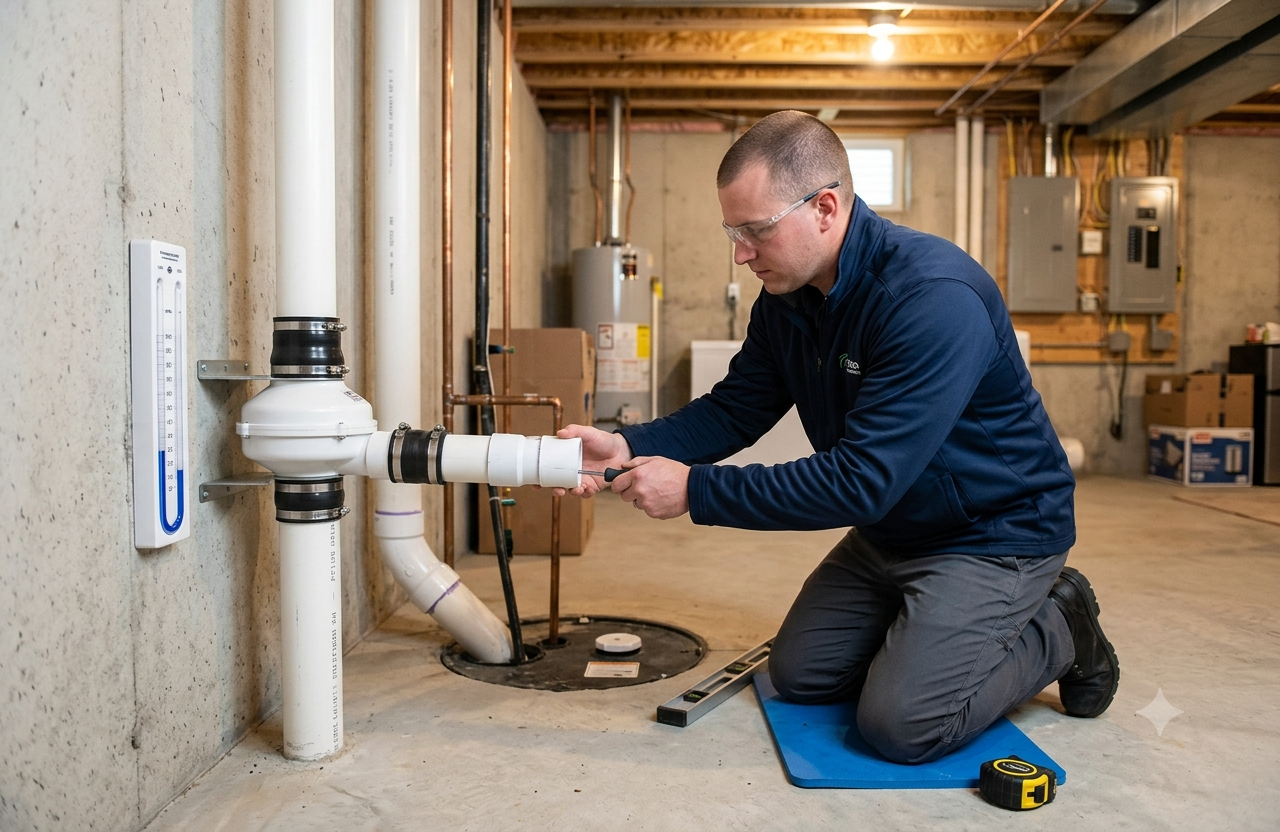
Radon is an invisible, odorless, and radioactive gas that can enter homes through cracks in foundations, crawl spaces, and other openings in the building structure. Because it cannot be seen or smelled, many homeowners remain unaware of its presence until they perform a radon test. Unfortunately, prolonged exposure to high radon levels can significantly increase the risk of lung cancer.
This is where a radon mitigation specialist becomes essential. These professionals have the knowledge, training, and equipment to identify radon entry points and install systems that reduce radon concentrations to safer levels. Whether you are purchasing a new home, preparing to sell your property, or simply want to improve indoor air quality, hiring a qualified specialist is one of the best investments you can make.
In this guide, you'll learn what a radon mitigation specialist does, why their expertise matters, how mitigation systems work, and how to choose the right professional for your home.
What Is a Radon Mitigation Specialist
A radon mitigation specialist is a trained professional who specializes in reducing radon gas levels inside residential and commercial buildings. Their primary goal is to prevent radon from accumulating indoors and ensure the property meets recommended safety standards.
These specialists understand building construction, ventilation techniques, soil conditions, and radon behavior. They use industry-approved methods to design and install effective mitigation systems tailored to each property.
Their work generally includes:
- Performing detailed property assessments
- Reviewing radon testing results
- Identifying radon entry points
- Designing customized mitigation systems
- Installing ventilation equipment
- Conducting post-installation testing
- Providing maintenance recommendations
Why Radon Mitigation Is Important
Many homeowners underestimate the dangers of radon because it is completely invisible. Unlike mold or water damage, radon leaves no visible signs.
Long-term exposure to elevated radon levels has been linked to serious health concerns, including:
- Increased risk of lung cancer
- Greater health risks for smokers
- Long-term indoor air quality issues
- Potential reduction in property value
Reducing radon levels improves both safety and peace of mind while creating a healthier indoor environment for your family.
Signs You Need a Radon Mitigation Specialist
Although radon itself cannot be detected without testing, certain situations indicate that professional mitigation may be necessary.
High Radon Test Results
If a certified radon test shows levels above recommended guidelines, mitigation should be scheduled promptly.
Buying a Home
Many home buyers include radon testing as part of the inspection process. Elevated radon levels should be addressed before closing.
Selling a Property
Installing a mitigation system can help reassure buyers and simplify real estate transactions.
Living in a High-Risk Area
Certain regions naturally contain more uranium in the soil, increasing the likelihood of elevated indoor radon levels.
Basement Renovations
Finished basements often become living spaces, making it even more important to control indoor radon exposure.
How a Radon Mitigation Specialist Works
Professional mitigation follows a systematic process designed for long-term effectiveness.
Step 1 Property Inspection
The specialist evaluates your home's construction, foundation, crawl spaces, and basement layout.
Step 2 Radon Measurement Review
Existing radon testing results are analyzed to determine the severity of the problem.
Step 3 System Design
Every home is different. The specialist designs a customized solution based on:
- Foundation type
- Soil conditions
- Home size
- Airflow patterns
- Existing ventilation
Step 4 Installation
Most residential systems include:
- PVC vent piping
- Radon fan
- Sealing accessible foundation openings
- Exterior exhaust vent
Step 5 Verification Testing
After installation, additional testing confirms that radon levels have been successfully reduced.
Common Radon Mitigation Methods
Professional specialists choose mitigation techniques based on the home's construction.
Active Soil Depressurization
This is the most common and effective method.
A fan continuously draws radon gas from beneath the foundation and safely vents it above the roofline before it enters the home.
Sub Slab Depressurization
Ideal for homes with concrete slab foundations.
A suction point beneath the slab removes radon before it reaches indoor air.
Crawl Space Encapsulation
Homes with crawl spaces may require:
- Heavy vapor barriers
- Sealed crawl spaces
- Ventilation systems
- Continuous suction fans
Drain Tile Suction
Homes with perimeter drainage systems may use existing drain tiles to collect and vent radon gas.
Benefits of Hiring a Professional Radon Mitigation Specialist
Professional installation offers several advantages over attempting a do-it-yourself solution.
Accurate Diagnosis
Specialists identify the true source of radon infiltration rather than treating symptoms alone.
Customized Solutions
Each mitigation system is specifically designed for the property's layout.
Long-Term Performance
Professional systems are built to operate efficiently for many years with minimal maintenance.
Compliance with Industry Standards
Certified specialists follow recognized installation practices and safety guidelines.
Better Indoor Air Quality
Lower radon concentrations contribute to a healthier home environment.
Can You Install a Radon Mitigation System Yourself
Some homeowners consider DIY installation to save money.
However, radon mitigation requires specialized knowledge of airflow, pressure differentials, building construction, and electrical safety.
Improper installation can:
- Fail to reduce radon levels
- Increase operating costs
- Create ventilation problems
- Require expensive corrections later
Hiring an experienced radon mitigation specialist usually provides better long-term value.
How to Choose the Right Radon Mitigation Specialist
Selecting the right professional is just as important as installing the system itself.
Look for specialists who offer:
Certification
Choose professionals with recognized training and industry certifications.
Experience
Experienced specialists have installed systems in many different home designs.
Transparent Pricing
Request detailed written estimates that explain equipment, labor, warranties, and testing.
Warranty Coverage
A reliable company stands behind its installation with workmanship guarantees.
Positive Customer Reviews
Read reviews to understand customer satisfaction and system performance.
Maintaining Your Radon Mitigation System
After installation, regular maintenance helps ensure consistent performance.
Recommended maintenance includes:
- Monitoring system indicators
- Inspecting vent pipes annually
- Listening for unusual fan noise
- Scheduling periodic radon testing
- Replacing faulty components when necessary
Most radon fans operate continuously and often last many years before replacement becomes necessary.
How Much Does a Radon Mitigation Specialist Cost
The total cost depends on several factors, including:
- Home size
- Foundation type
- Existing drainage systems
- Installation complexity
- Local labor costs
Although professional mitigation represents an investment, it offers long-term health protection and may increase buyer confidence when selling your home.
Frequently Asked Questions
How long does installation take?
Most residential radon mitigation systems can be installed within one day.
Will the system make noise?
Modern radon fans are designed to operate quietly and are often installed outside living spaces.
Does sealing cracks solve the problem?
No. Sealing foundation cracks alone rarely eliminates radon. Active mitigation systems are usually much more effective.
Should I test my home again after installation?
Yes. Follow-up testing verifies that the mitigation system is successfully reducing radon levels.
Do all homes need mitigation?
No. Every home should be tested first. Mitigation is recommended only when radon levels exceed recommended action levels.
Conclusion
Hiring a qualified radon mitigation specialist is one of the most effective ways to protect your home and family from the dangers of long-term radon exposure. Professional specialists use proven techniques to identify radon entry points, install customized mitigation systems, and verify that indoor radon levels have been reduced to safer levels.
Whether you're buying a new home, selling your current property, or improving indoor air quality, working with an experienced radon mitigation specialist provides confidence that the job is completed correctly. Regular testing, proper maintenance, and professional expertise ensure your home remains a healthier and safer place for years to come.
Κατηγορίες
Διαβάζω περισσότερα
The manufacturing industry is evolving at an unprecedented pace as organizations adopt digital technologies to improve efficiency, increase productivity, and remain competitive in a rapidly changing market. While automation and smart factory initiatives often receive significant attention, the impact of AI in Manufacturing extends well beyond production lines. Human resources departments are...

Businesses and digital agencies across the USA are increasingly working with a website development partner Waco TX to manage growing online project requirements. Agencies often depend on external development teams to support responsive website creation, content management integration, front-end design, and technical website maintenance. This approach helps businesses handle multiple projects...

Custom hair serum tags provide a very attractive look and automatically boost the attraction of the products and the brand image. These tags offer the functionality and the style that offer the required product information and add a professional and luxurious feel. They are ideal in promoting hair care products like retail, salon or online as they are used to convey product benefits and brand...

Custom retail tags will be used to enhance product attractiveness, which will bring superior appeal to the product in terms of visual and utility value. These tags are creative and professional at the same time and therefore enable businesses to print brand identity and convey necessary product information. Retail tags are ideal to package clothing, accessories, gifts, and specialty products...

In a world full of chemical-based hair treatments and expensive salon procedures, natural remedies are making a powerful comeback—and for good reason. Among these, rosemary oil has emerged as a standout solution for improving hair health. Known for its rich herbal aroma and therapeutic properties, rosemary oil is more than just a kitchen herb extract—it’s a game-changer for...