


Secure Remote Virtual Machine Solutions for Modern Businesses
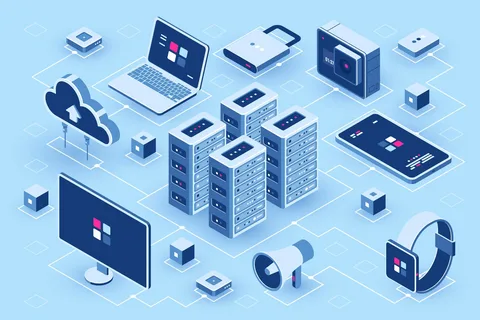
In today's fast-paced digital world, businesses need secure, flexible, and scalable IT solutions to support remote work, hybrid teams, and growing operational demands. One of the most effective technologies enabling this transformation is the remote virtual machine (VM). By allowing employees to access powerful computing resources from virtually anywhere, remote virtual machine solutions improve productivity while maintaining high standards of security and performance.
Whether organizations are managing a small remote workforce or operating across multiple global offices, virtual machine technology provides a reliable foundation for modern business operations. From reducing hardware costs to simplifying IT management, remote virtual machines offer numerous advantages that traditional desktop environments cannot match.
What Is a Remote Virtual Machine?
A remote virtual machine is a software-based computer that runs on a physical server in a data center or cloud environment. Users connect to the virtual machine through a secure internet connection, giving them access to applications, files, and operating systems as if they were working on a local computer.
Unlike traditional desktops, remote virtual machines are centrally managed, allowing IT administrators to deploy updates, install software, monitor performance, and maintain security without requiring physical access to employee devices.
These virtual environments can run Windows, Linux, or other operating systems, making them suitable for various industries and workloads.
Why Modern Businesses Need Remote Virtual Machines
As remote and hybrid work models become increasingly common, businesses require secure solutions that allow employees to work from any location without compromising company data.
Remote virtual machines address several critical business challenges, including:
-
Secure access to company resources
-
Consistent employee work environments
-
Simplified IT management
-
Business continuity during disruptions
-
Reduced hardware dependency
-
Scalable infrastructure for growing organizations
Instead of storing sensitive information on personal laptops, organizations keep all critical data within secure cloud or enterprise servers.
Enhanced Security for Business Data
Security remains one of the primary reasons companies adopt remote virtual machine solutions.
Since data remains stored within centralized servers instead of local devices, businesses significantly reduce the risks associated with lost or stolen laptops. Administrators can enforce strict access controls, monitor user activity, and quickly respond to security threats.
Modern remote virtual machine platforms often include:
-
Multi-factor authentication (MFA)
-
Role-based access controls
-
End-to-end encrypted connections
-
Centralized patch management
-
Regular security updates
-
Backup and disaster recovery options
These features help organizations comply with industry regulations while protecting sensitive business information.
Greater Flexibility for Remote Teams
Today's workforce expects the ability to work from home, client locations, or while traveling. Remote virtual machines make this possible without sacrificing performance.
Employees simply connect through a secure remote desktop client and continue working with their familiar applications and files.
This flexibility offers several benefits:
-
Improved employee satisfaction
-
Increased productivity
-
Faster onboarding
-
Easier collaboration
-
Reduced office infrastructure costs
Because the virtual machine operates within a centralized environment, employees experience a consistent desktop regardless of the device they use.
Simplified IT Management
Managing hundreds or thousands of physical computers can be time-consuming and expensive.
Remote virtual machine solutions simplify administration by allowing IT teams to manage everything from a central console. Software installations, operating system updates, security patches, and troubleshooting can all be performed remotely.
This centralized approach reduces downtime while improving operational efficiency.
IT departments also benefit from:
-
Automated provisioning
-
Rapid deployment of new virtual machines
-
Standardized desktop configurations
-
Easier software licensing management
-
Faster issue resolution
These capabilities free IT professionals to focus on strategic initiatives rather than routine maintenance.
Scalability for Growing Organizations
Business requirements often change rapidly. Companies may need to hire seasonal workers, expand into new markets, or support temporary project teams.
Remote virtual machine infrastructure allows organizations to scale resources quickly without purchasing additional physical hardware.
New virtual desktops can be created in minutes, giving employees immediate access to business applications and data.
Similarly, unused resources can be removed when no longer needed, helping businesses control costs and maximize infrastructure efficiency.
Business Continuity and Disaster Recovery
Unexpected events such as natural disasters, cyberattacks, or office closures can disrupt traditional business operations.
Remote virtual machine solutions strengthen business continuity by allowing employees to securely access their work environments from virtually any location with an internet connection.
Because data remains stored in centralized environments, organizations can recover systems more quickly after an incident. Regular backups and redundant infrastructure further minimize downtime and reduce the risk of permanent data loss.
This resilience helps businesses maintain customer service and operational stability even during emergencies.
Cost Savings and Operational Efficiency
Although deploying virtual machine infrastructure requires planning, it often leads to significant long-term savings.
Businesses can reduce expenses related to:
-
High-end employee hardware
-
Desktop maintenance
-
Energy consumption
-
Office infrastructure
-
Equipment replacement
-
IT support visits
Employees can use existing laptops, thin clients, or lower-cost devices while accessing powerful virtual machines hosted on centralized servers.
This approach extends hardware life cycles and reduces capital expenditures.
Industries Benefiting from Remote Virtual Machines
Remote virtual machine technology supports organizations across many industries.
Healthcare providers use secure virtual environments to protect patient records while enabling remote access for medical professionals.
Financial institutions rely on centralized security to safeguard sensitive customer information and meet regulatory requirements.
Educational institutions provide students and faculty with access to specialized software from any location.
Engineering, architecture, software development, legal services, customer support, and government agencies also benefit from virtual machine solutions due to their flexibility, security, and centralized management.
Choosing the Right Remote Virtual Machine Solution
When evaluating remote virtual machine platforms, businesses should consider several important factors.
Key evaluation criteria include:
-
Security capabilities
-
Performance and reliability
-
Scalability
-
Cloud or on-premises deployment options
-
Ease of management
-
Integration with existing systems
-
Vendor support
-
Disaster recovery features
-
Licensing costs
-
User experience
Selecting the right solution ensures the organization receives maximum value while meeting current and future business needs.
The Future of Remote Virtual Machine Technology
Remote virtual machine technology continues to evolve alongside cloud computing and digital transformation.
Artificial intelligence is improving system monitoring and predictive maintenance, while automation simplifies infrastructure management. Cloud-native virtual desktop platforms offer even greater flexibility, allowing businesses to deploy secure workspaces worldwide with minimal infrastructure investment.
As cybersecurity threats become more sophisticated, virtual machine environments will continue incorporating advanced security features to protect business data and ensure regulatory compliance.
Organizations embracing these innovations will remain competitive in an increasingly digital economy.
Conclusion
Secure remote virtual machine solutions have become an essential technology for modern businesses seeking flexibility, security, and operational efficiency. By centralizing computing resources, organizations can protect sensitive data, simplify IT management, support remote employees, and reduce infrastructure costs without compromising performance. As hybrid work continues to grow and digital transformation accelerates, investing in a secure remote virtual machine environment provides businesses with the scalability and resilience needed for long-term success. Companies that adopt these solutions today will be better prepared to meet future challenges while delivering a secure, productive, and seamless work experience for their employees.
Kategorien
Mehr lesen
Introduction: Understanding the Importance of C1000-195 Certification In today’s technology-driven job market, certifications have become more than just additional qualifications. They represent verified knowledge, practical ability, and a professional’s willingness to keep learning. Many employers use certifications as a way to identify candidates who are serious about developing...

Shop premium cigar mylar bags wholesale in California. Fresh, custom, and built to protect flavor from the humidor to the customer's hand. Have you ever opened a cigar box and noticed the wrapper felt dry, or the smell had faded before you even lit one up? That single moment can turn a loyal customer into a one-time buyer. Cigar shops and manufacturers across California deal with this...

In recent years, the demand for enhanced home security solutions has surged, leading to a significant rise in the popularity of waterproof security cameras. These innovative devices offer homeowners a reliable way to monitor their properties, especially in outdoor settings where exposure to the elements can be a concern. The Waterproof Security Cameras Market has experienced substantial growth,...
According to the latest report published by Data Bridge Market Research, the Liquid Alloys Market The global liquid alloys market was valued at USD 201.50 million in 2024 and is expected to reach USD 359.37 million by 2032During the forecast period of 2025 to 2032 the market is likely to grow at a CAGR of7.50% The Liquid Alloys Market report not only benefits to save valuable time but...

Buy Old Gmail Account for Safe and Efficient Online Work In the fast-paced modern digital economy, the efficiency and safety of your daily workflow dictate your profit margins. Forcing your marketing executives or technical team to rely on fragile, brand-new email profiles to handle business data introduces massive risks to your operations. Fresh registrations do not possess the historical data...

