


Mastering Job Site Efficiency with the Right Landscaping Tools
Anyone who has run a landscaping crew knows that the real money is made or lost in how efficiently you handle materials on the job site. You can quote a hardscaping job perfectly, but if your crew spends three days manually moving base gravel and pallets of block in the mud, your profit margin disappears completely. The physical toll on workers leads to fatigue, mistakes, and ultimately, high staff turnover. In this industry, your heavy equipment is the backbone of your operation, and the standard setup delivered from the factory is rarely enough to handle the varied, aggressive demands of commercial landscaping. To truly control a site, you need to transform your base machine into a highly specialised material handling system, ensuring that every load moved is done mechanically rather than manually. When your equipment does the heavy lifting, your crew stays fresh and motivated to produce highly detailed finish work.
The first challenge on almost any site is demolition and clearing. Before you can build a new patio or plant a large bed, you have to remove what is already there. Old shrubs, broken concrete, and tangled roots are a nightmare to handle with a standard smooth bucket. The material constantly shifts, falls out over the sides, and requires someone on the ground to manually load the awkward pieces. This is where a grapple system becomes absolutely mandatory. A strong grapple acts like a giant mechanical hand, clamping down on uneven, bulky debris and holding it securely while you drive across uneven terrain to the dump trailer. It turns a chaotic, messy clearing job into a fast, controlled process, allowing the operator to pluck specific stumps or rocks out of the ground without disturbing the surrounding soil. This level of precision is exactly what residential clients expect when paying for professional services.
Once the site is cleared, the focus shifts to staging heavy materials. Hardscaping requires moving massive amounts of weight: pallets of pavers, retaining wall blocks, and bulk bags of sand. Attempting to drag these items across a finished lawn with a skid steer can tear up the turf, creating a whole new repair job for your crew. Using compact John Deere Loader Attachments like heavy-duty pallet forks allows you to precisely place materials exactly where the installation crew needs them, minimising the distance they have to carry individual blocks by hand. The key to working with forks is visibility and stability. An operator must be able to see the tips of the forks from the seat to slide into a pallet without damaging the product, and the machine must have enough rear counterweight to remain completely stable when lifting a heavy load to the top of a retaining wall.
Moving bulk loose materials—like topsoil, mulch, and crushed stone—requires a different approach. While a standard bucket works, a larger capacity light-material bucket is far better suited for mulch, allowing you to move double the volume per trip without exceeding the machine's weight limits. Conversely, when moving wet sand or heavy gravel, a heavy-duty, narrower bucket with bolt-on cutting edges is required to prevent bending the steel. The secret to efficiency here is operator technique. An experienced operator uses the float function of the machine to backdrag and level the material as they go, spreading topsoil smoothly across a large area so the hand-raking crew only has to do the final finish work. This efficient integration between machine work and hand work is what separates a highly profitable crew from one that struggles to stay on schedule. Proper staging prevents workers from walking long distances, significantly speeding up the installation phase.
Downtime on a landscaping site is incredibly expensive, so maintaining these mechanical systems is just as important as knowing how to use them. Working in dirt, dust, and mud destroys hydraulic fittings and pivot pins if they are not cared for properly. Crews must be trained to wipe down hydraulic couplers before connecting them; a single grain of sand inside a high-pressure hydraulic line can destroy a valve bank and shut down the machine for weeks. Greasing the heavy friction points on the loader arms at the end of every day pushes out dirt and water, ensuring the machine is ready to work hard the next morning. Taking these small preventative steps extends the lifespan of the equipment and keeps your crews moving forward without costly mechanical delays.
Surviving the physical demands of a long landscaping season requires working smart, not just hard. The crews that finish jobs early and move on to the next profitable contract are the ones that refuse to move material by hand if a machine can do it. By properly equipping your base vehicle with the exact tools needed for specific site challenges, you protect your workers' health, accelerate your project timelines, and guarantee a much stronger financial return at the end of the year.
Conclusion
Controlling material movement on a landscaping site is the deciding factor in project profitability and crew retention. Equipping your base vehicle with specialised, heavy-duty implements allows you to complete demanding clearing and installation tasks mechanically, protecting your bottom line.
Call to Action
Prepare your landscaping crew for a highly profitable season by upgrading your job site material handling equipment today.
Visit: https://lgmusa.com/
Categories
Read More
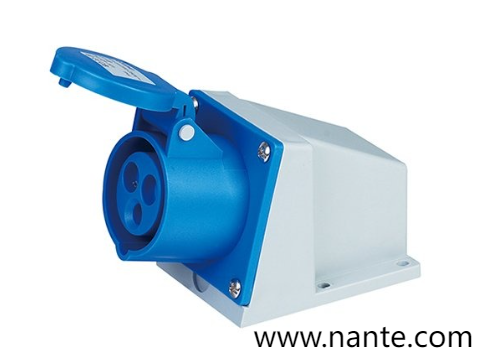
In modern production hubs driven by artificial intelligence and automation, a robust Industrial Plug plays a pivotal role in sustaining uninterrupted power to critical equipment. Amid rapid digital transformation in manufacturing, every robotic arm, sensor array, and high performance controller depends on reliable connection points that withstand vibration, dust, and frequent module swaps....
BuyUSAacc is a Google-certified marketplace offering reliable, premium, bulk-aged email, social, banking, and ad accounts, all delivered securely. When you choose to buy aged Google Ads accounts from our verified platform, you secure stable, pre-warmed assets that bypass common restrictions, allowing entrepreneurs and agencies to scale advertising campaigns with maximum confidence and...

Buy LinkedIn accounts In today’s digital landscape, having a robust online presence is more crucial than ever. LinkedIn stands out as the premier platform for professionals to connect, network, and showcase their expertise. But what if you’re just starting or your current account isn’t making the impact you desire? This is where purchasing LinkedIn accounts can be a game...

The construction industry is undergoing a significant transformation, driven by the need for faster, more efficient, and environmentally responsible building methods. At the forefront of this change is the Wall Panel Factory , a game-changing approach that streamlines construction while reducing waste and energy consumption. Unlike traditional building techniques, which often involve...

